
What does shilajit extract do?
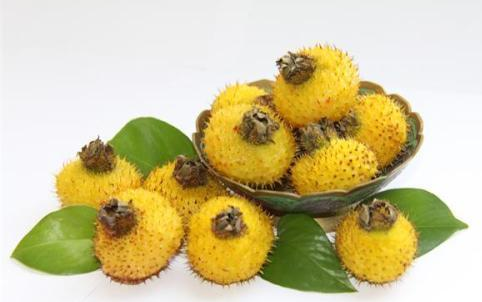
What is Rosa Roxburghii Extract used for?
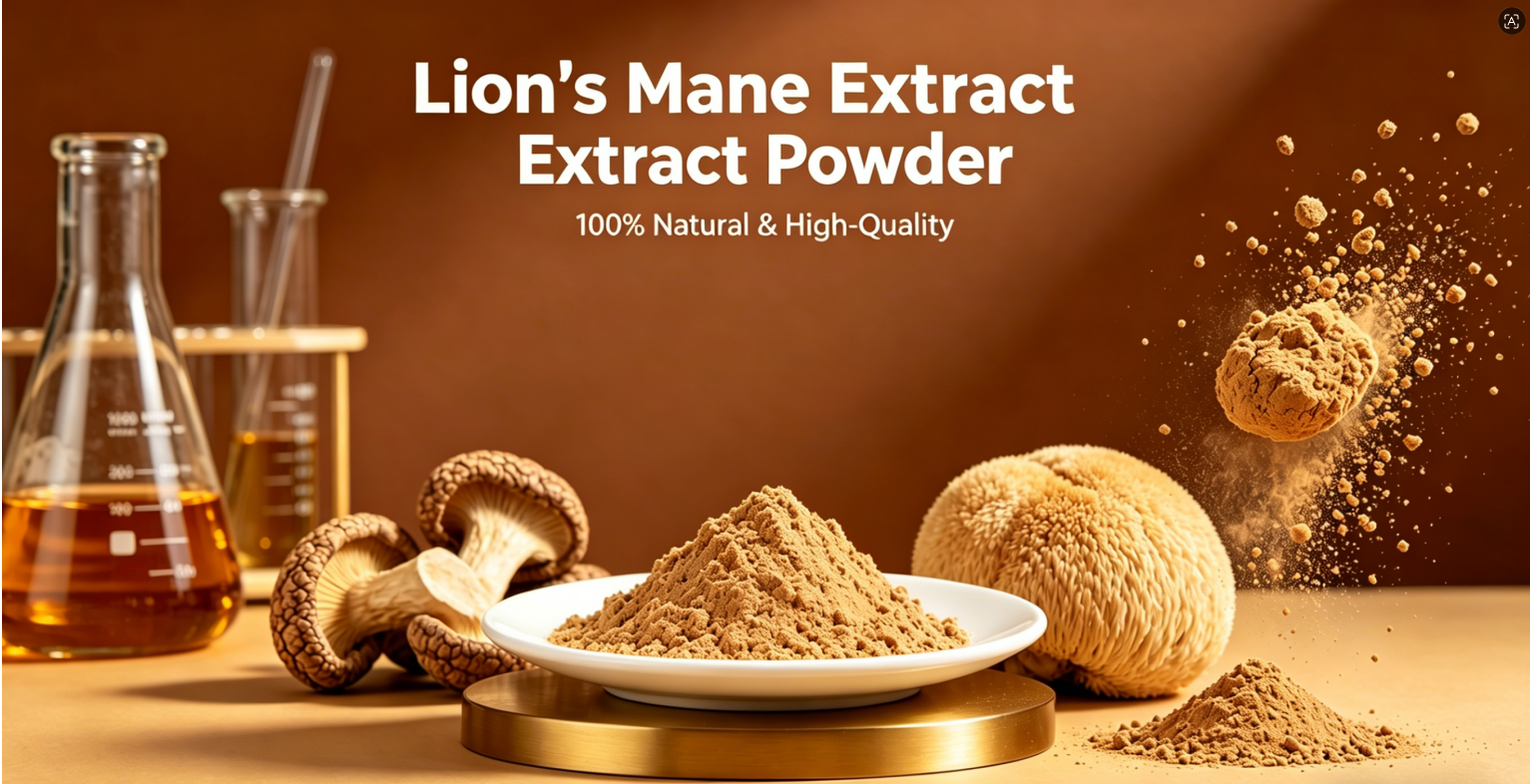
What are the benefits lion's mane mushroom extract?
What are the benefits lion's mane mushroom extract?
When mentioning lion's mane mushroom, the first thing that comes to mind is always "a premium stomach-nourishing ingredient". As a medicinal and edible ingredient honored as "the king of mountain delicacies", it boasts a thousand-year heritage of stomach care. Further refined via modern technology, lion's mane mushroom extract concentrates core active ingredients, maximizing the nutritional value of this traditional natural ingredient. Far beyond simply protecting the gastric health, it delivers all-round physical care, making it an essential daily health choice for modern people.
Endowed with Millennial Heritage: Natural "Golden Fungus" for Gastric Care
Lion's mane mushroom is mild in nature and sweet in flavor, benefiting the spleen, stomach and heart meridians. As documented in Compendium of Materia Medica and the Pharmacopoeia of the People's Republic of China, it functions to nourish five internal organs, aid digestion and invigorate the spleen and stomach. It has long been a top dietary remedy for people with weak digestive functions.
However, the active ingredients of fresh or dried lion's mane mushroom are poorly released and absorbed due to limited processing and cooking methods. In contrast, lion's mane mushroom extract adopts low-temperature extraction, concentration and purification technologies to remove ineffective impurities. It is rich in high-concentration bioactive substances including lion's mane polysaccharides, hericenones, polypeptides and beta-glucan. The refined active components feature higher bioavailability and efficient absorption, solving the defects of traditional dietary intake.
Its key functional compounds cover polysaccharides, terpenoids, organic acids and phenolic acids. Polysaccharides serve as the core active substances of lion's mane mushroom. The polysaccharides in raw dried fruiting bodies are difficult for the human body to absorb. Targeting the biological characteristics of active components, modern extraction and concentration processes produce high-purity lion's mane polysaccharide extract.
The polysaccharide content in ordinary dried lion's mane mushroom is only about 2%, while the purified extract reaches 20% to 50%. In addition, raw dried mushrooms contain high crude fiber, which is hard to digest and weakens health benefits, limiting them to ordinary culinary use. Multi-step extraction and concentration are therefore required to unlock its healthcare efficacy.
Four Core Benefits: More Than Gastric Protection, Full-body Wellness
1. Core Advantage: Natural Repairer of Gastric Mucosa
This is the most prominent and scientifically verified benefit of lion's mane mushroom extract.
Form a protective barrier: Lion's mane polysaccharides form a protective biofilm on the gastric mucosa, shielding the stomach from irritation caused by gastric acid, spicy food and alcohol, and relieving stomach pain, acid reflux and heartburn.
Accelerate mucosal repair: Stimulate the proliferation and regeneration of gastric epithelial cells to repair damaged gastric tissues. Clinical data shows that the extract delivers an effective relief rate of over 90% for auxiliary conditioning of chronic atrophic gastritis and gastric ulcers.
Inhibit Helicobacter pylori: Restrain the adhesion and reproduction of H. pylori on the gastric mucosa. Combined with standardized conditioning, it helps improve the eradication rate and reduce recurrent gastric issues.
2. Intestinal Regulation: Balance Gut Flora & Strengthen Intestinal Barrier
The intestine is the body’s largest immune organ, and lion's mane mushroom extract provides comprehensive intestinal protection. Rich in beta-glucan, it nourishes beneficial gut bacteria such as bifidobacteria, inhibits harmful bacteria, and balances intestinal microecology. It also repairs the intestinal epithelial barrier and reduces inflammatory factors, effectively improving bloating, diarrhea and indigestion — ideal for those with irregular diets and sedentary lifestyles.
3. Immune Boost: Strengthen Body Defense & Vitality
The polysaccharide-polypeptide complex in the extract acts as a natural immune regulator. It activates macrophages, T lymphocytes and other immune cells, enhances phagocytic activity, and improves overall immunity. By strengthening the intestinal mucosal immune system — the body’s first line of defense — it helps resist external pathogens, suitable for people with low physical fitness and frequent seasonal discomforts.
4. Additional Benefit: Nerve Protection & Mood Relief
Cutting-edge research confirms that hericenones and terpenoids in lion's mane mushroom extract can cross the blood-brain barrier and stimulate the synthesis of nerve growth factor (NGF), promoting neuron repair and regeneration. It helps improve memory, relieve mental fatigue caused by overwork, ease mood swings, and optimize sleep quality. Perfect for office workers suffering from long-term staying up late, high stress, anxiety and insomnia, it realizes dual care for the stomach and nerves.
Product Applications
1.Food Industry: Widely used as a functional food additive in various food products.
2.Pharmaceutical Industry: Applied as a raw material for alkaline medicines.
From ancient mountain delicacy to modern high-purity extract, the wellness value of lion's mane mushroom remains timeless, upgraded by technological innovation for higher efficiency and easier daily use. In the fast-paced modern life, this concentrated natural essence protects the stomach, regulates intestinal health and boosts immunity. Integrate gentle wellness into daily life for long-term health and vitality. May we all nourish our spleen and stomach with natural power, and embrace every wonderful moment with a healthy body.
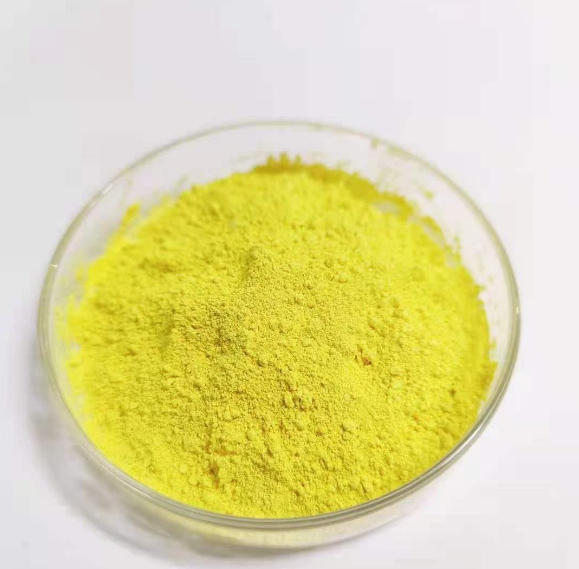
Fisetin: The Golden Molecule of Natural Anti-Aging, Crafted with Ingenuity by Sost Biotech.
As anti-aging evolves from surface skin care to cellular-level maintenance, natural ingredients have become the mainstream of the market due to their safety and high efficiency. Fisetin (also known as Robinetin) is a standout among them, hailed by the global scientific community as the "golden molecule of natural anti-aging". As a natural flavonol compound, fisetin is widely found in daily fruits and vegetables such as strawberries, apples, and onions. Cotinus coggygria of the Anacardiaceae family, with the highest content and optimal extraction efficiency, has become the core raw material for its industrial production. Its safety and effectiveness have been repeatedly confirmed by top international journals such as Nature Aging and Cell, making it one of the most potent naturally occurring senolytics known to date, with both scientificity and reliability.
The core competitiveness of fisetin lies in its ability to target and eliminate senescent cells (also known as "zombie cells") in the body, delaying body aging from the root. It also has multiple health benefits: strong antioxidant properties can resist free radical damage, improve skin dullness and fine lines, and protect cell vitality; its unique ability to cross the blood-brain barrier allows it to directly protect neurons, inhibit neuroinflammation, reduce β-amyloid deposition, support brain health, improve cognitive function, and adapt to relieving brain fatigue in young people and maintaining brain health in the middle-aged and elderly; it protects the cardiovascular system in multiple dimensions, reducing the risk of cardiovascular and cerebrovascular diseases by inhibiting abnormal proliferation of vascular smooth muscle, stabilizing arterial plaques, and regulating lipid metabolism; it can also block inflammatory pathways and regulate glucose and lipid metabolism, taking into account skin anti-inflammatory repair and systemic metabolic regulation, suitable for multi-field application needs.
Xi'an Sost Biotech Co., Ltd. is deeply engaged in the field of plant extraction, focusing on creating high-purity fisetin raw materials. The company selects high-quality Cotinus coggygria from Shaanxi and North China as raw materials, adopts advanced combined technology to retain ingredient activity and improve purity, establishes a full-process quality inspection system to ensure product safety and traceability, and provides flexible specifications of spot goods and customized services to meet multi-field needs, making it a reliable choice for partners in various industries.
Sost fisetin is suitable for a wide range of people, including those concerned about anti-aging and pursuing cellular-level maintenance, young people who often stay up late and suffer from brain fatigue, middle-aged and elderly people who need to maintain brain health and cardiovascular health, or those who focus on natural health preservation and metabolic regulation. Sost extracts the power of nature with ingenuity, transforms the natural anti-aging value of fisetin into high-quality raw materials, helps partners develop the natural health market, and conveys a scientific, natural and efficient new anti-aging concept to the public. For product details, quotes and customization needs, please feel free to consult, and we will provide professional answers and support in the first place.
Does ashwagandha really help with stress?
Does ashwagandha really help with stress?
Is white kidney bean extract good for weight loss?
1.What is White Kidney Bean Extract?
White kidney bean extract is a natural amylase inhibitor extracted from white kidney beans. Its main active ingredient is α-amylase inhibitory protein, which is found in the endosperm of white kidney bean seeds. This substance specifically binds to the glycoside site on the α-amylase molecule through its glycoprotein structure, causing a conformational change in the enzyme molecule and resulting in the loss of its catalytic activity, thus exhibiting a non-competitive inhibitory effect.
2.Regarding α-amylase inhibition:
White kidney bean extract is a natural starch inhibitor that works through a specific mechanism: the bean protein it contains can reversibly bind to the active site of α-amylase, inhibiting it by 65-85%, thus preventing starch from breaking down into absorbable monosaccharides. α-amylase inhibitors are a class of natural bioactive substances that specifically inhibit α-amylase activity, mainly derived from Streptomyces microorganisms and the seeds of cereals and legumes; their structures include oligosaccharides and proteins. By blocking amylase activity without inhibiting β-amylase and β-glucosidase, it delays starch digestion and is used in diabetes management and weight control. Typical sources include white kidney bean extract (containing bean protein) and Poria cocos triterpenoid extract (IC50 value 10.43 μg/mL). This inhibitor also has potential applications in genetically modified insect-resistant crops and has been developed as a dietary supplement.
3.Function:
1. Inhibits Starch Digestion and Weight Management (Core Benefits)
• Reduces Calorie Absorption: Prevents approximately 66% of the starch in ingested complex carbohydrates from being digested and absorbed, allowing it to be directly excreted through the intestines;
• Reduces Glycemic Response: Significantly delays the rise in postprandial blood glucose, reducing peak blood glucose levels by 20-40%, and minimizing blood glucose fluctuations;
• Clinical Efficacy: Multiple studies have shown that daily intake of 445-3000mg of white kidney bean extract, combined with a balanced diet, can help with weight loss of 2-4 kg and a waist circumference reduction of 2-6 cm within 8-12 weeks;
4.Application:
* Nutrition and Pharmaceutical Industry: Regular compressed tablets, coated tablets, sugar-coated tablets, hard capsules, soft capsules, topical gels, granules, etc.
* Food and Beverage Industry: Water-soluble solid beverages, instant beverages, chewable tablets, compressed candies, low-G
What are the benefits of Reishi extract?
What are the benefits of Reishi extract?
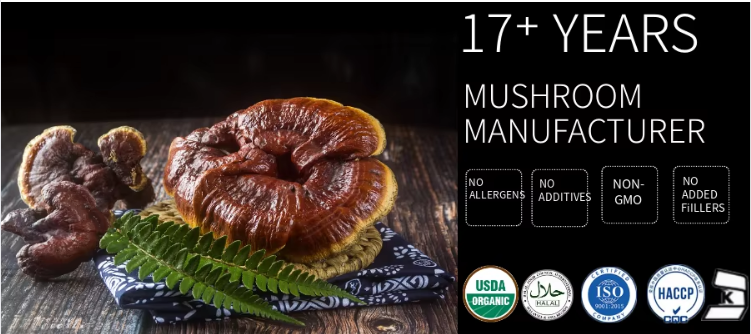
Reishi extract is a bioactive substance derived from the fruiting body or mycelium of Ganoderma lucidum, containing various nutrients and bioactive compounds such as polysaccharides, triterpenoids, sterols, and alkaloids, which exhibit multiple efficacy and functions.
The Benefits of Reishi Extract:
Regulate the immune system
Reishi Extract can enhance the immune function of the body and improve its resistance. It promotes the proliferation and differentiation of white blood cells, enhances the phagocytic ability of macrophages, and boosts the activity of natural killer cells, thereby increasing the body's immunity.
2. Anti-tumor
Reishi Extract has anti-tumor effects. It can inhibit the growth and proliferation of tumor cells, induce apoptosis of tumor cells, and suppress tumor angiogenesis, thereby exerting anti-tumor effects.
3. Lower blood sugar
Reishi Extract can lower blood sugar levels. It promotes insulin secretion, enhances insulin sensitivity, and inhibits the breakdown of hepatic glycogen, thereby reducing blood sugar levels.
4. Lower blood lipids
Reishi Extract can reduce blood lipid levels. It lowers the content of serum total cholesterol, triglycerides, and low-density lipoprotein cholesterol while increasing the content of high-density lipoprotein cholesterol, thereby exerting a lipid-lowering effect.
5. Antioxidant
Reishi Extract has antioxidant effects. It can eliminate free radicals and reduce oxidative stress damage to cells, thereby exerting its antioxidant function.
6. Anti-inflammatory
Reishi Extract has anti-inflammatory effects. It can inhibit the occurrence and progression of inflammatory reactions, reduce tissue and organ damage caused by inflammation, thereby exerting its anti-inflammatory action.
Where can find a professional manufacturer of Reishi extract?
As a leading supplier in the plant extract industry, Xi'an Sost Biotech Co., Ltd. provides high-standard Reishi Extract to the global market:
International Certifications: Full coverage of ISO9001, ISO22000, HALAL, and KOSHER standards
Testing Capabilities: Equipped with precision instruments such as HPLC, UV, and atomic absorption spectrometry, providing comprehensive testing reports
US Overseas Warehouse: Los Angeles warehousing center supports rapid delivery to the North American market, lowering the barriers to cross-border procurement
Compound Solution: Supports the development of premixed formulations of beetroot powder with ingredients such as guarana, taurine, and citric acid.
Our Planting Cooperation Base: We Committed to the isolation and breeding of high-quality strains, we have also established cooperation bases for the cultivation of edible and medicinal fungi such as Ganoderma lucidum, Hericium erinaceus, shiitake mushroom, Tremella fuciformis, Cordyceps militaris, Grifola frondosa, Pleurotus ostreatus, Agaricus blazei, black fungus, and Poria cocos. The product has passed EU organic certification, US organic certification, Jewish certification, halal certification, etc. The product is widely used in the fields of food and beverage, nutrition and health care, and cosmetics.
✔Transgenic Status:Our product does not contain transgenic
✔Irradiation:Our produt is not irradiated
✔Allergen:Our product doesn’t contain any allergens
✔Additive:Our product doesn’t use artificial preservatives, spices or pigments
✔Gluten-Free:
✔We promise not to add any filler, grain or starch to our products;
✔ No added fillers
Contact Information:
Business Inquiries: salesdirector@xasost.com
Headquarters: Xi'an High-tech Zone,
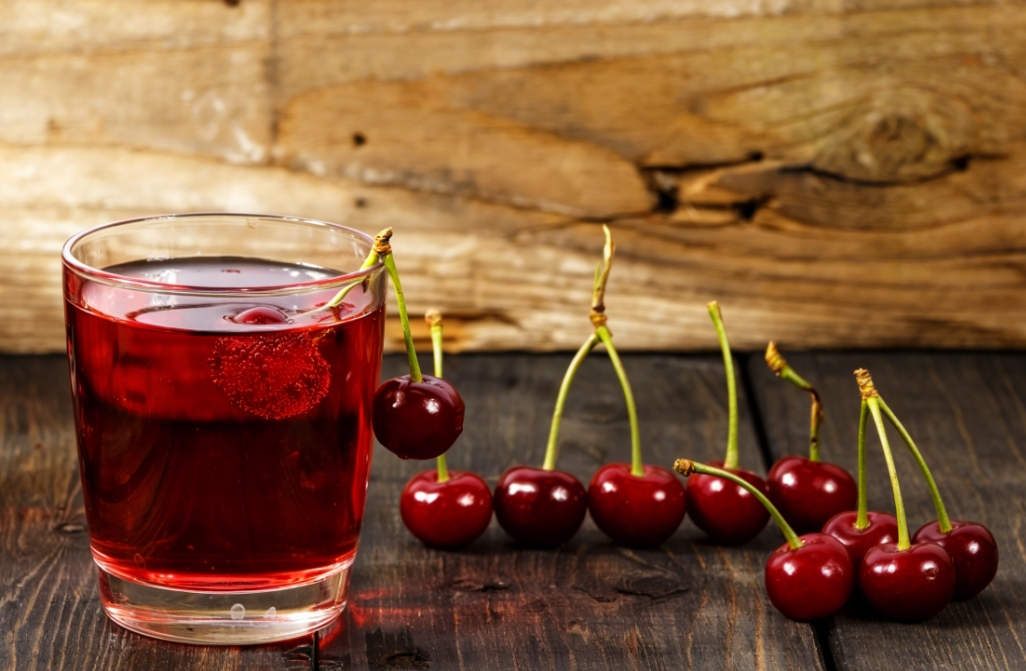
How to use tart cherry powder?
In which B2B products or scenarios can tart cherry powder be applied?
1. Sports Nutrition and Recovery Products
The application of tart cherry powder in the field of sports nutrition is the most mature. Studies have shown that anthocyanins in tart cherries can significantly inhibit the release of inflammatory factors (such as IL-6 and TNF-α), reduce post-exercise muscle soreness intensity by about 30%, and accelerate muscle recovery. Specific applications include:
* Pre- and post-exercise supplements: Ready-to-drink powders and energy gels for marathon runners, CrossFit participants, and high-intensity interval training (HIIT) participants.
* Protein powder blends: Combined with whey protein and branched-chain amino acids (BCAAs) to form a "protein + anti-inflammatory" dual recovery matrix.
* Electrolyte drinks: Replacing some of the sugar in traditional sports drinks, providing natural antioxidant support.
2. Sleep Health and Mood Management Products
Tart cherries are one of the very few plant-based ingredients that naturally contain melatonin. Clinical trials have shown that daily intake of tart cherry juice equivalent to 30mg of the extract can extend sleep time by about 40 minutes and reduce the number of nighttime awakenings. B2B applications include: Nighttime Repair Formula: A non-addictive sleep aid formulated with GABA, L-theanine, and magnesium.
Jet Lag Adjustment Capsules: A product designed to regulate the circadian rhythm for business professionals and international flight attendants.
Menopausal Comprehensive Conditioning: Combining black cohosh and soy isoflavones to relieve hot flashes and insomnia symptoms.
3. Joint and Bone Health Products
Clinical data on osteoarthritis and gout patients show that daily intake of 250mg of tart cherry extract for 4 weeks resulted in an average decrease of 19.2% in blood uric acid levels and a significant reduction in the frequency of gout attacks. Application scenarios include:
* Joint care tablets: synergistic formulations with glucosamine, chondroitin, and MSM
* Gout management powder: daily conditioning product for people with hyperuricemia
* Nutritional supplements for the elderly: compound formulations combining vitamin D and calcium for osteoporosis prevention
4. Functional Foods and Beverages
* The unique sweet and sour flavor of tart cherry powder makes it an ideal choice for clean label products:
* Baking and snacks: flavor enhancement and functional fortification of energy bars, meringue cookies, and granola
* Fermented dairy products: functional addition to yogurt and kefir, with special attention to strain compatibility
* Functional candies: gummies and compressed candies, utilizing its natural pigment properties to replace artificial synthetic pigments
5. Cosmetics and Personal Care Products
With its superior antioxidant properties (high ORAC value), tart cherry powder is gradually entering the beauty nutrition field:
Oral beauty serums: Formulated with collagen and hyaluronic acid, focusing on the "anti-glycation + antioxidant" concept.
Masks and serums: The powdered ingredient can be used in mud mask bases, but pH stability should be considered.
What precautions should be taken when combining tart cherry powder with other ingredients?
1. Synergistic Effect Combinations
With Vitamin C: Vitamin C, as an antioxidant, protects anthocyanins from oxidation, while the organic acids in tart cherries promote vitamin C absorption, forming an antioxidant network where "1+1>2".
With Curcumin/Piperine: The anti-inflammatory mechanism of tart cherries (inhibiting COX-2 enzyme) complements curcumin (inhibiting the NF-κB pathway), making it suitable for sports recovery and joint health products.
With Magnesium: Magnesium itself has a calming effect, synergistically improving sleep quality with the melatonin in tart cherries.
With Probiotics: Some studies suggest that polyphenols can act as prebiotics to promote the proliferation of Bifidobacteria, but acid-resistant strains need to be screened.
2. Incompatibilities and Stability Risks
Avoid direct contact with high concentrations of metal ions: The polyphenols in tart cherries easily form complexes with iron and copper ions, leading to darkening (browning) and loss of activity. It is recommended to take this product at least 2 hours apart from mineral supplements, or to use chelated minerals in the formula.
Caution should be exercised when mixing with alkaline ingredients: The pH of tart cherry powder is usually between 3.0 and 3.5. Mixing it with strongly alkaline ingredients (such as sodium bicarbonate or certain mineral carriers) may lead to anthocyanin degradation and flavor deterioration.
Pay attention to enzyme activity: In digestive enzyme formulas containing proteases and lipases, the acidity of tart cherries may affect the optimal pH for enzyme activity. Encapsulation or staged addition is recommended.
Interactions with blood-thinning medications: Tart cherries may enhance the effects of anticoagulants such as warfarin. Such functional foods require a warning label.
3. Flavor Synergy Strategies
Sour cherries have a distinct sweet and sour character (titerically acidic at approximately 1.5-2.0%). In formulation, consider the following:
* Sweetness Balance: Pair with steviol glycosides and mogrosides, avoiding sweeteners such as aspartame that may produce a metallic aftertaste.
* Flavor Modification: Adding small amounts of vanilla, cinnamon, or citrus essential oils can enhance the complexity of the flavor profile.
* Flavor Masking Techniques: In high-dose applications (>5%), encapsulation with cyclodextrin or lecithin may be necessary to control astringency.
What are the recommended addition amounts of sour cherry powder in different product types?
1. Dietary Supplements
Hard Capsules/Soft Capsules: Each capsule contains 250-500mg of tart cherry extract (equivalent to 2.5-5g of fresh fruit at a 10:1 concentration ratio).
Tablets: Single tablet weight 500mg-1000mg, with tart cherry powder comprising 30-50%, requiring the use of fillers such as microcrystalline cellulose.
Powder Packets: Single dose 3-5g (based on juice powder). Sports recovery products can be taken once before and once after training.
2. Functional Beverages
Ready-to-drink (RTD) Beverages: Added at 0.5%-1.5% (w/v), requiring the use of acidity regulators to maintain pH < 4.0 to ensure anthocyanin stability.
Solid Beverages/Powders: Added at 2%-5%, spray drying process is recommended to ensure instant solubility.
Concentrates: Dilution ratio 1:10 to 1:20, 30mL of concentrate is equivalent to approximately 240mL of juice.
3. Baking & Snacks
Energy Bars/Protein Bars: 1%-3% added. Too much will affect texture; it is recommended to combine with nut butter or honey to improve binding.
Biscuits/Pastries: 2%-5% of flour weight. Other liquid ingredients in the formula need to be reduced to balance moisture.
Chocolate Products: Added as a filling or coating. Avoid high-temperature, prolonged heating (>60℃ will cause anthocyanin loss).
4. Dairy Products
Yogurt: 1%-2% added. Added after fermentation to avoid affecting bacterial activity.
Cheese/Butter: As a flavor additive, 0.5%-1%, suitable for making berry-flavored processed cheese.
5. Foods for Special Medical Purposes (FSMP)
Special formulas for postoperative recovery and cancer patients. It is recommended to use under the guidance of a clinical nutritionist. The usual dosage is equivalent to 30-60g of fresh fruit extract daily, divided into 2-3 doses.
What are the usage guidelines for tart cherry powder in different fields such as food and health products?
1. Chinese Regulatory Framework
Food Ingredients: Sour cherry powder can be used as a general food ingredient and complies with standards such as GB/T 29602 "Solid Beverages". If claiming specific functions, a health food approval document (blue hat) is required. Currently, tart cherries are not included in the health food ingredient catalog and must be declared under the registration category.
Usage Limits: In ordinary food products, use as needed for production, but it is recommended to refer to the recommended daily intake of 3-5g (based on the original juice powder).
Labeling Requirements: Must be labeled "Tart Cherry Powder" or "Tart Cherry Juice Powder." If concentrated extracts are used, the concentration ratio (e.g., 10:1) must be indicated.
Organic Certification: If claiming organic, the raw materials must obtain Chinese organic product certification (GB/T 19630).
2. US and North American Markets
GRAS Certification: Tart cherries, as a traditional food, are generally considered GRAS (Generally Recognized As Safe). However, when high-concentration extracts are used in dietary supplements, a Self-Affirmed GRAS assessment is recommended.
FDA Labeling Requirements: Dietary supplements must indicate "Daily Value (DV) Undetermined" and state "This product is not intended to diagnose, treat, cure, or prevent any disease."
Organic Certification: USDA Organic (US) or COR (Canada) certification is required, ensuring the raw materials come from certified farms.
3. EU Market
Novel Food Regulation: Sour cherries, as a traditional food with a long history of consumption in the EU, are not considered a novel food. However, specific extraction processes (such as supercritical fluid extraction) may require evaluation.
EFSA Health Claims: Currently, sour cherries do not have health claims approved by the EFSA. Product labels can only describe general statements such as "helps..." and must not involve disease treatment.
Pesticide Residue Standards: Must comply with EC 396/2005, which has strict limits on pesticide residues in cherry fruits.
4. Halal and Kosher Certification
Halal Certification: Sour cherry powder itself meets halal requirements, but it is important to note that alcohol extraction must not be used during the production process, and equipment must not come into contact with non-halal raw materials.
Kosher Certification: Must obtain certification from authoritative organizations such as OU and OK to ensure compliance throughout the entire process from raw materials to finished product.
5. Quality Inspection Standards
Active Ingredient Testing: Anthocyanin content (usually calculated as cyanidin-3-glucoside) should be ≥1%, which can be determined by pH differential method or HPLC.
Safety Indicators: Heavy metals (lead ≤0.5mg/kg, arsenic ≤0.3mg/kg), microorganisms (total bacterial count ≤1000CFU/g, coliform bacteria ≤40MPN/100g), pesticide residues (compliant with GB 2763).
Adulteration Identification: Be wary of adulteration with synthetic pigments (such as amaranth) or cheap fruit juice powder, which can be identified by thin-layer chromatography (TLC) or isotope ratio mass spectrometry (IRMS).
Conclusion: Choosing a reliable raw material supplier is the first step to success. The efficacy of tart cherry powder is highly dependent on the quality of the raw materials—variety (Montmorency variety is preferred), origin (Michigan, USA, and Poland are high-quality producing areas), harvest season, and processing technology all affect the anthocyanin content and bioactivity of the final product. Therefore, choosing a supplier with a complete quality control system is crucial.
Xi'an Sost Biotech Co., Ltd., a professional manufacturer of plant extracts, has been deeply involved in the production of berry raw materials such as sour cherry for many years, possessing the following core advantages:
Raw Material Traceability: Strategic partnerships have been established with high-quality sour cherry growing bases in Michigan, USA, and Poland, ensuring the purity of raw material varieties and controllable pesticide residues.
Process Guarantee: Utilizing both low-temperature spray drying and freeze-drying processes, we can customize anthocyanin content (1%-10%) and solubility specifications according to customer needs.
Quality Certification: Certified by ISO9001, HACCP, HALAL, KOSHER, and other standards, equipped with precision testing equipment such as HPLC and GC-MS, providing complete COA and third-party testing reports.
Application Support: A professional formulation R&D team provides customers with full-process technical support from concept design to industrial production, covering popular sectors such as sports nutrition, sleep health, and joint care.
Global Supply: With a production base in Xi'an, China, and an overseas warehouse in the United States, we can achieve rapid global delivery with flexible minimum order quantities (starting from 1kg).
Contact Us:
Email: info@sostherbusa.com
Business Inquiries: Free samples and detailed product information (COA, MSDS, stability data, etc.) are welcome.
References:
1.Examine.com. (2025). Tart Cherry Juice: Health benefits, dosage, and side effects. Retrieved from https://examine.com/supplements/tart-cherry-juice/
2.Howe, A. R., & Wong, R. H. (2022). Nutrition Support for Athletic Performance. Unglue.it.
3.Yitong Food Industrial Co., Ltd. (2024). Tart Cherry Powder Product Technical Data. Retrieved from http://www.yitongfood.com/product/tartCherry.html
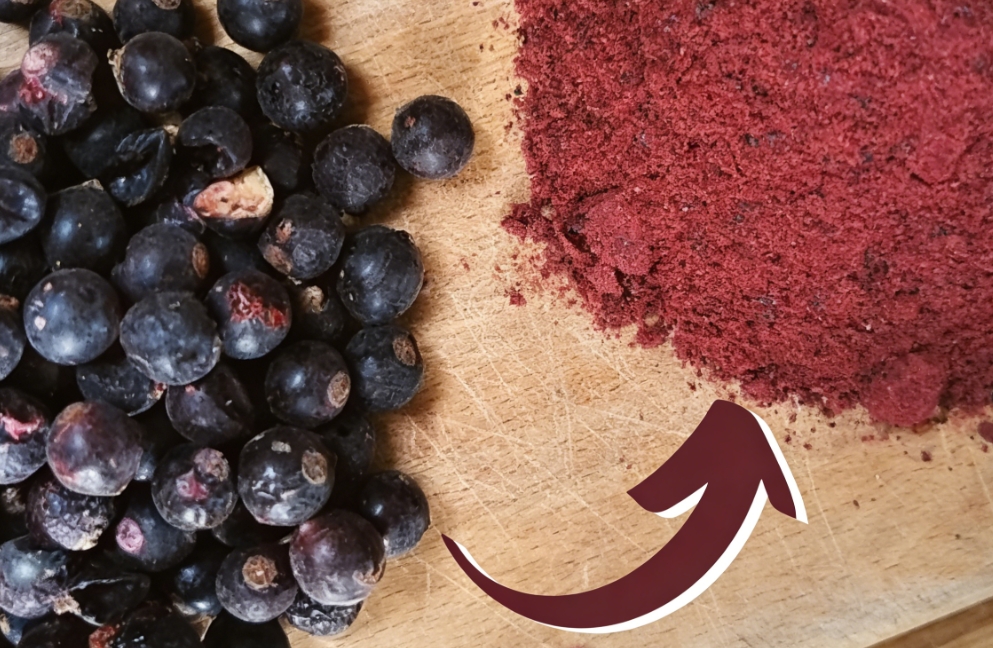
How to make blackcurrant powder?
Blackcurrants, a "super berry" rich in anthocyanins, vitamin C, and various minerals, will be the subject of this article. This article will delve into the production process, quality standards, and market applications of blackcurrant powder by addressing five key questions, helping you gain a deeper understanding of this high-value plant extract.
Where do the raw materials for blackcurrant powder come from?
The starting point for any high-quality plant extract lies in high-quality raw materials. For making blackcurrant powder, the preferred raw material is fresh blackcurrant fruit that is fully ripe, free from mold, and free from pests. Blackcurrants are mainly produced in cool climate regions such as Xinjiang and Heilongjiang in China. These areas have large temperature differences between day and night, which is conducive to the accumulation of abundant sugars, organic acids, and anthocyanins in the fruit.
In industrial production, the selection of raw materials is extremely rigorous. High-quality blackcurrant powder producers typically establish their own planting bases or long-term partnerships with suppliers in core production areas to ensure the authenticity and traceability of the raw materials. Freshly picked blackcurrants need to be processed as quickly as possible to lock in their natural nutrients and flavor, preventing oxidation and nutrient loss due to prolonged storage.
What is the core process for making blackcurrant powder?
Turning plump blackcurrants into a fine powder mainly relies on advanced modern extraction and drying technologies. Currently, the mainstream production process in the industry is as follows:
● Raw material selection and cleaning: Remove moldy and rotten fruit and impurities, and perform deep cleaning of the raw materials at least three times to ensure no pesticide residues and dust.
● Pulping and extraction: Crush and pulp the cleaned blackcurrants, then use techniques such as "reflux extraction" or "enzymatic hydrolysis" to fully dissolve the effective components (such as anthocyanins and vitamins) from the fruit.
● Filtration and clarification: Remove coarse fiber impurities such as peels and seeds to obtain a pure blackcurrant juice extract.
● Concentration: Use "reduced pressure concentration" technology to remove some water under low temperature conditions, increasing the concentration of effective components and preparing for subsequent drying.
● Spray Drying: This is a crucial step in converting liquid into powder. In a high-temperature airflow, the concentrate is atomized into extremely fine particles, and the moisture evaporates instantly, leaving behind a dry powder. This technology maximizes the preservation of the natural color, flavor, and heat-sensitive nutrients of blackcurrants.
● Grinding and Sieving: The dried powder is finely ground and passed through sieves with a mesh size of 80 or higher to ensure uniform particle size and good flowability.
● Cleanroom Packaging: Packaging is carried out in a cleanroom, typically using aluminum foil bags or cardboard drums, to ensure the product is protected from moisture and oxidation during storage.
How to Judge the Quality of Blackcurrant Powder?
High-quality blackcurrant powder typically possesses the following characteristics:
● Appearance and Color: High-quality blackcurrant powder should be a uniform, finely ground purplish-red or light pink powder with a natural color, free of visible impurities, and without clumping.
● Odor and Taste: It should have the characteristic natural fruity aroma of blackcurrants, without any off-odors, rancid smells, or burnt smells. In terms of taste, the original sweet and sour flavor of blackcurrants should be preserved.
● Solubility: High-quality blackcurrant powder has excellent water solubility, typically ≥98%. It dissolves rapidly in water, producing a clear, transparent solution free of suspended matter.
● Physicochemical Indicators: Moisture content is usually controlled below 7% to ensure long-term storage without spoilage. Microbiological indicators such as total bacterial count, E. coli, and Salmonella must meet national food safety standards.
● Active Ingredient Content: Blackcurrant powder is available in different specifications depending on the application, such as 5:1, 10:1 ratios defined by the raw material to finished product, or even higher purity anthocyanin extracts. The product specifications should be clearly stated when purchasing.
What are the application scenarios for blackcurrant powder?
● Food and Beverages: Widely used in solid beverages, juices, jams, yogurt, ice cream, candies, and baked goods, providing not only a natural purple-red color but also increasing the nutritional value of the products.
● Health Foods: Rich in anthocyanins, blackcurrant has powerful antioxidant properties and is often used in the production of eye care capsules, antioxidant tablets, or powders.
● Cosmetics: Blackcurrant extract is also used in skincare products such as face masks and toners, utilizing its antioxidant properties to help the skin fight free radicals.
● Pet Food: With the rise of the pet economy, blackcurrant powder has also begun to be added to high-end pet treats as a natural pigment and nutritional fortifier.
Can I make blackcurrant powder at home?
While theoretically it can be made using a home dryer and grinder, there is a significant difference between home-made and industrially produced blackcurrant powder. Temperature and humidity are difficult to control in a home environment, easily leading to nutrient loss or product spoilage due to moisture. More importantly, the "spray drying" and "micronization" technologies in industrial production ensure extremely high solubility and fineness of the powder, which is unattainable with home equipment.
Furthermore, industrial production includes rigorous sterilization and quality testing processes to ensure product safety and sterility. Therefore, for users with commercial needs or those seeking high-quality health products, directly purchasing blackcurrant powder from professional manufacturers is a wiser and more efficient choice.
Choosing a Reliable OEM is Key to Product Success
Sost Biotech boasts a professional plant extraction production line and R&D team, providing you with a one-stop service from blackcurrant powder raw material supply to customized finished product formulations. Whether it's solid beverages, compressed candies, or functional drinks, we can tailor-make exclusive formulas to your needs, helping you quickly seize market opportunities.
Don't let the process of finding high-quality raw materials become a bottleneck in your business. Contact Sost Biotech now to start your blackcurrant health journey!
Email: info@sostherbusa.com
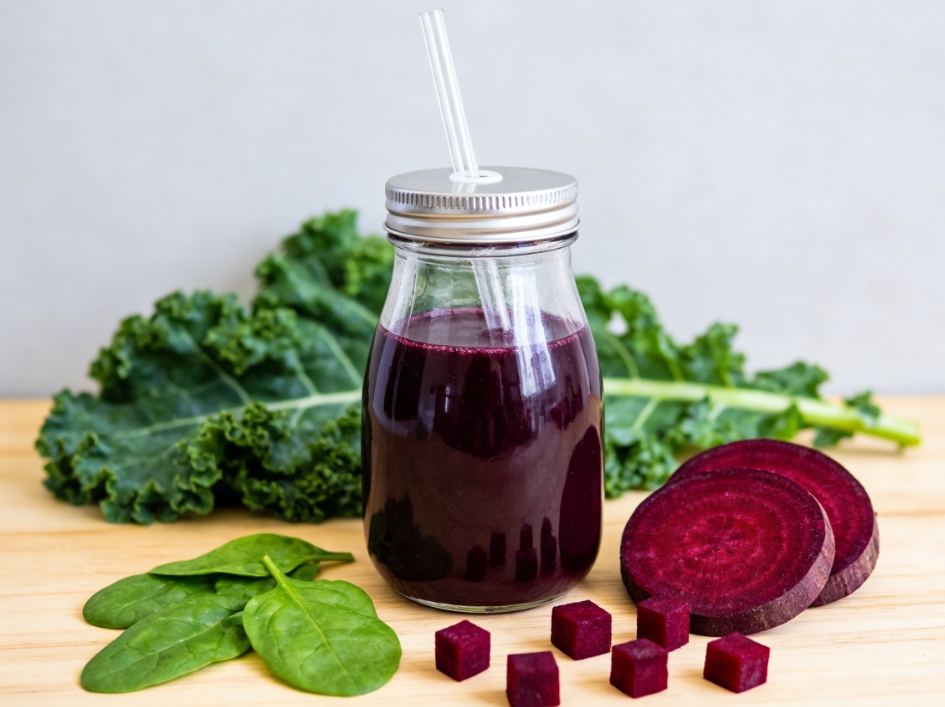
Is beet root powder as good as beet juice?
Introduction
In today's pursuit of natural health, beetroot (Beta vulgaris) has become a popular ingredient in functional foods and sports nutrition due to its excellent nitrate content and multiple health benefits. As a natural vasodilator and endurance enhancer, the market demand for beetroot products continues to grow. However, faced with the two mainstream forms of beetroot powder and beetroot juice, many brands and consumers often find themselves confused when making a purchase: are these two forms truly equivalent? This article will provide a professional analysis from four dimensions: raw material source, processing technology, nutrient retention, and storage stability, helping you make informed raw material purchasing decisions.
Are the raw material sources of beetroot powder and beetroot juice completely identical?
Raw Material Traceability: Same Origin but Significant Grading Differences
From a botanical perspective, high-quality beetroot powder and beetroot juice do indeed originate from the same plant—beetroot (Beta vulgaris subsp. vulgaris Conditiva Group). However, "same origin" does not equal "homogeneous."
Raw Material Grade Differences:
Beetroot juice is typically made from food-grade fresh beets, requiring high standards for raw material appearance, including the removal of damaged or irregularly shaped pieces. Beetroot powder, on the other hand, uses beetroot raw materials that meet pharmaceutical/health product standards, including whole beets and beet pomace (a byproduct of juicing), and utilizes standardized extraction processes to achieve nutrient enrichment.
Geographical and Variety Factors:
Studies show that the nitrate content of beets varies by more than 30% depending on the origin. High-latitude regions (such as Northern Europe and Ningxia, China) have a stronger ability to accumulate nitrates due to large diurnal temperature variations and abundant sunshine. Professional raw material suppliers strictly control the consistency of raw material batches through HPLC testing.
Sost Biotech's Raw Material Advantages:
Xi'an Sost Biotech Co., Ltd. has established a strict raw material traceability system and strategic partnerships with high-quality beet growing bases in Ningxia and Gansu, ensuring that the nitrate content of each batch of beetroot powder raw material remains stable at 2%-4% (calculated as sodium nitrite), far exceeding the industry average.
Does the drying and grinding process of beetroot powder destroy its nutrients?
Nutritional Preservation Mechanism of Modern Drying Technology
The misconception that "drying = nutrient loss" needs to be corrected. In fact, advanced low-temperature drying processes not only preserve nutrients but also optimize bioavailability.
Key Process Comparison:
Hot air drying uses a temperature of 60-80°C, with a nitrate retention rate of approximately 85-90%, suitable for ordinary food-grade products.
Vacuum freeze drying operates at -40 to -30°C, achieving a nitrate retention rate of over 95%, making it the preferred process for high-end health products.
Spray drying has an inlet temperature as high as 160-200°C, requires the addition of a carrier, and has a retention rate of approximately 80%, mainly used in instant beverages.
Scientific Evidence Supports:
A 2020 study published in *Food Chemistry* showed that beetroot juice powder treated with vacuum freeze-drying (Lyophilization) had no significant difference in total phenolic content and antioxidant activity compared to fresh beets (p>0.05), while hot-air dried samples lost approximately 15% of betalains.
Influence of Grinding Fineness:
Ultrafine grinding technology (particle size D90≤100μm) can disrupt the cell walls of beetroots, releasing bound nitrates and increasing human absorption by 20%-35%. This is one of the core advantages of beetroot powder compared to directly consuming fresh beets.
Sost Biotech's Process Standards:
Sost Biotech employs a combination of vacuum freeze-drying and low-temperature airflow milling, maintaining the temperature below 40°C throughout the process, with nitrogen protection to ensure the complete preservation of heat-sensitive components such as betalains, nitrates, and SOD enzymes. Products are ISO22000 food safety management system certified, and a third-party COA test report is provided for each batch.
Does the Processing of Beetroot Juice Lead to the Loss of Natural Nitrates?
Stability Challenges of Liquid Products
While beetroot juice does retain water-soluble nutrients, there is a significant risk of nitrate degradation during processing and storage.
Mechanisms of Nitrate Loss During Processing:
Heat Treatment Sterilization: UHT sterilization (135-150°C, 2-8 seconds) results in 5%-10% thermal degradation of nitrates.
Oxidation Reaction: Cell disruption after juicing leads to the oxidation of betaine by polyphenol oxidase (PPO), accompanied by the chemical transformation of nitrates.
Metal Ion Catalysis: Contact with copper or iron containers accelerates nitrate reduction.
Continuous Decrease During Storage: Even with aseptic cold filling, the nitrate content in beetroot juice decreases by an average of 20%-30% after 6 months of storage at room temperature (data from *Journal of Food Science*, 2019). Light and oxygen are the main contributing factors.
The Dilution Paradox of Concentrated Juice: During the reconstitution process, some brands of commercially available "concentrated beetroot juice" lose volatile flavor compounds and trace amounts of active ingredients. Furthermore, preservatives are often added to extend shelf life, contradicting the "natural" positioning.
Conclusion: Nitrate retention in beetroot juice is time-dependent; freshly prepared juice has the highest nutritional value, but the actual content in industrially produced products may be far lower than the labeled value.
Do the Differences in Form Require Different Storage Conditions?
The Trade-off Between Stability and Convenience: Form differences directly determine the flexibility of supply chain management and end-use, a key consideration in B2B procurement decisions.
Storage Advantages of Beetroot Powder: Beetroot juice powder has low water activity (Aw < 0.3), effectively inhibiting microbial growth and extending shelf life to 24-36 months. Regarding antioxidant stability, under sealed, light-protected conditions, betalain retention remains above 90% after 12 months. In terms of transportation costs, the powder form weighs only 1/10 of fresh beets, significantly reducing logistics costs. In terms of formulation compatibility, it can be uniformly dispersed in solid beverages, capsules, and baked goods without sedimentation or stratification issues.
Storage limitations of beetroot juice: Beetroot juice is dependent on a cold chain; pasteurized juice requires refrigeration at 2-8°C, resulting in high costs for frozen transportation. Short shelf life is another drawback; even with preservatives, commercial aseptic packaging typically only lasts 6-12 months. Regarding formulation limitations, adding liquid alters the water activity of the final product, limiting application scenarios (e.g., it cannot be directly used in compressed candies).
Application scenario recommendations: Beetroot powder is preferred for sports nutrition powders, functional food premixes, and solid beverages. Ready-to-drink (RTD) beverages and fresh juice bars can use beetroot juice for short periods.
Partnering with professional manufacturers: Why choose Sost Biotech?
As a leading supplier in the plant extract industry, Xi'an Sost Biotech Co., Ltd. provides high-standard beetroot powder raw materials to the global market:
Core Competitive Advantages:
Standardized Production: Beetroot juice powder nitrate content can be customized (1%-5%), betalain content ≥0.3%
International Certifications: Full coverage of ISO9001, ISO22000, HALAL, and KOSHER standards
Testing Capabilities: Equipped with precision instruments such as HPLC, UV, and atomic absorption spectrometry, providing comprehensive testing reports
US Overseas Warehouse: Los Angeles warehousing center supports rapid delivery to the North American market, lowering the barriers to cross-border procurement
Compound Solution: Supports the development of premixed formulations of beetroot powder with ingredients such as guarana, taurine, and citric acid
Contact Information:
Business Inquiries: info@sostherbusa.com
Website: www.sosterb.com
Headquarters: Xi'an High-tech Zone, China
References
1: Cleary, M. T., et al. (2020). "Impact of drying techniques on bioactive compounds in red beetroot (Beta vulgaris L. ssp. vulgaris)." Food Chemistry, 312, 126075.
2: Kujawska, M., et al. (2019). "Stability of betalains and nitrates in beetroot juice during storage." Journal of Food Science, 84(8), 2156-2163.
3: Domínguez, R., et al. (2017). "Effects of beetroot juice supplementation on cardiorespiratory endurance in athletes. A systematic review." Nutrients, 9(1), 43.
4: Clifford, T., et al. (2016). "The potential benefits of red beetroot supplementation in health and disease." Nutrients, 7(4), 2801-2822.
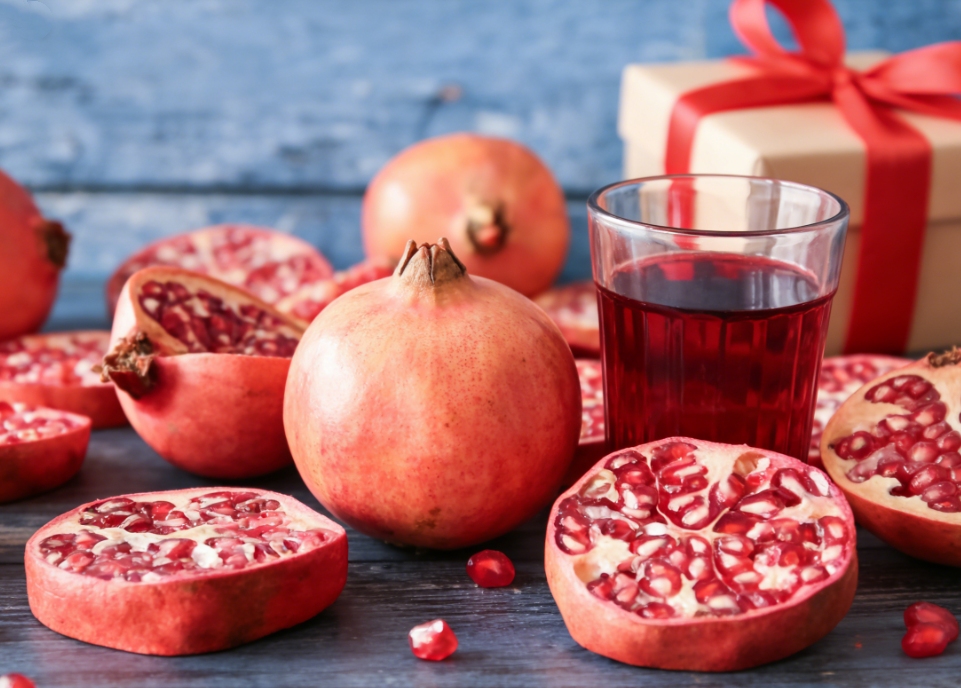
Are pomegranate powder and pomegranate juice the same?
In today's booming health food ingredient market, pomegranate, as a representative of "superfruit," has seen its processing form become a focus of attention for many food, health product, and cosmetic companies. When searching for pomegranate raw materials, have you ever wondered: are pomegranate powder and pomegranate juice the same? These two seemingly similar products are vastly different in B2B applications.
Process Differences and Production Adaptability
Pomegranate Juice Production Process and Industrial Adaptation Scenarios
Pomegranate juice production follows the traditional fruit and vegetable juice processing route, with three key steps in the core process. First is pressing extraction, using screw pressing or pneumatic pressing technology to separate the juice from the pomegranate seeds. This step typically yields 60% to 75% juice, while also generating a large amount of fruit pomace waste. Next is filtration and clarification, removing suspended solids through enzymatic hydrolysis, centrifugation, and ultrafiltration to obtain clear or cloudy juice. However, this process results in the loss of some dietary fiber and polyphenols. Finally, sterilization and filling are performed using pasteurization (85-95℃) or UHT ultra-high temperature instantaneous sterilization (135-150℃), combined with aseptic or hot filling processes. The sterilization intensity directly affects the degree of flavor retention.
From an industrial adaptation perspective, pomegranate juice has several significant drawbacks: strong reliance on cold chain, resulting in high transportation and storage costs; short shelf life, only 30 to 45 days under refrigeration and 6 to 12 months at room temperature; large packaging volume, leading to high storage space occupancy; and significant seasonal production characteristics, with raw material fluctuations easily affecting supply stability.
Key Points of Pomegranate Powder Production Process and Cost Control
The production of pomegranate powder represents the culmination of concentration technology, with the core being the precise control of "concentration plus drying." The low-temperature concentration stage employs vacuum concentration or membrane concentration technology, increasing the solids content of pomegranate juice to 40-60°Brix at a low temperature of 40-60 degrees Celsius. This low-temperature process maximizes the retention of heat-sensitive nutrients such as vitamin C and anthocyanins.
The choice of drying technology directly affects the quality characteristics of pomegranate juice powder. Spray drying is currently the most mainstream process, dispersing the concentrate into tiny droplets through an atomizer, which are then instantly dried upon contact with hot air. It is suitable for large-scale continuous production, and the resulting pomegranate powder has good solubility. However, careful control of the inlet air temperature (usually 160-180°C) is necessary to avoid excessive Maillard reaction. Freeze-drying pre-freezes the material to -40 degrees Celsius, then sublimates and dehydrates it under vacuum. This process perfectly preserves the color, flavor, and active ingredients of the pomegranate powder, but it has high energy consumption and low production capacity, making it suitable for high-end health product applications. Vacuum belt drying uses a medium-low temperature continuous drying method, striking a balance between cost and quality. The resulting pomegranate powder has uniform particles and excellent rehydration properties.
In terms of cost control, pomegranate powder has significant advantages. Regarding yield, approximately 10 to 15 kilograms of fresh pomegranates yield 1 kilogram of pomegranate juice powder, resulting in a high concentration ratio and significantly reducing transportation and storage costs. In terms of shelf life, it can last up to 24 months under sealed, light-proof conditions, minimizing inventory turnover pressure. Regarding packaging advantages, the solid form can be packaged in an inner aluminum foil bag and outer cardboard box, with logistics costs only one-fifth to one-eighth of those for fruit juice.
Is pomegranate powder really more nutritious than pomegranate juice?
In fact, the nutritional differences between the two mainly lie in three aspects: concentration, dietary fiber retention, and the stability of heat-sensitive components.
Concentration Difference: The Gap in Solid Content Pomegranate juice, as a direct-drinking product, has a solid content of approximately 12% to 15%, with concentrated juice reaching 65° Brix, but still containing over 40% water. Pomegranate powder, on the other hand, has a water content controlled below 5%, resulting in a highly concentrated concentration of active ingredients. Taking polyphenol content as an example, the total polyphenol content of high-quality pomegranate juice powder can reach 8 to 10 times that of pomegranate juice (on a dry basis). This means that in functional food formulations, adding 1% pomegranate juice powder can achieve the same concentration of active ingredients as adding 10% pomegranate juice, without diluting the product system.
Dietary Fiber: The Value of Whole Fruit Utilization During pomegranate juice processing, the peel and pomace are usually discarded, resulting in a significant loss of dietary fiber. Pomegranate powder, however, can be processed using a "whole fruit powdering" process, retaining the dietary fiber (up to 30% to 40%) from the peel in the product. For companies developing gut health products, meal replacement powders, or baked goods, the added value of dietary fiber in pomegranate powder is significantly higher than that in juice.
Nutritional Retention: Process Determines Quality Regarding vitamin C retention, freeze-dried pomegranate powder retains over 90%, spray-dried pomegranate powder retains approximately 70% to 80%, while juice, after UHT sterilization, retains only 50% to 60%. Regarding anthocyanin retention, pomegranate powder retains over 85% through low-temperature processing, while fruit juice is easily degraded during sterilization and storage. Punicin, a high-value polyphenol unique to pomegranate, exhibits better stability in pomegranate juice powder than in its aqueous solution form.
If your product emphasizes antioxidant, whitening, or cardiovascular health benefits, pomegranate powder offers greater stability in its active ingredients. For a fresher taste and convenient ready-to-drink option, fruit juice is a better choice.
Which products are pomegranate powder and pomegranate juice suitable for?
Application Scenarios and Compatibility Requirements of Pomegranate Juice
In the beverage processing field, pomegranate juice can be used in RTD (Ready-to-Drink) beverages, but requires the use of preservatives or aseptic cold-fill technology, posing significant challenges to shelf-life stability. NFC (Not From Concentrate) juice is positioned as a high-end product, requiring a complete cold chain, resulting in high channel costs. When used as a juice base for cocktails, sparkling water, etc., compatibility with other ingredients must be considered.
In terms of direct supply to the catering industry, pomegranate juice is mainly supplied to fresh juice shops and high-end restaurants for freshly prepared drinks, emphasizing its "freshness" selling point and placing extremely high demands on suppliers' cold chain delivery capabilities and timeliness.
As an ingredient, pomegranate juice can be used in cold food systems such as yogurt and ice cream, but the amount added is limited (affected by water activity); it can also be used in sauces and condiments, but requires high-temperature processing, resulting in significant loss of flavor substances. Overall, the high water content of pomegranate juice limits its formulation, poses a high risk of microbial control, and has poor stability in cross-regional supply.
Application Scenarios and Adaptation Requirements of Pomegranate Powder
In the solid beverage sector, pomegranate juice powder has wide applications. Instant powders can be combined with vitamin C and probiotics, focusing on skin whitening and gut health; sparkling powder can be combined with sodium bicarbonate and organic acids for instant, convenient, and fashionable consumption; meal replacement shakes can combine pomegranate powder with whey protein and dietary fiber to control calorie intake. The advantages of pomegranate powder are its low water activity, high microbial safety, and small volume, facilitating e-commerce sales and cross-border logistics.
In the health supplement and dietary supplement industry, pomegranate powder can be used in hard capsules or tablets, directly filling or granulating for precise dosage; it can also be used as the content of soft capsules, mixed with an oil matrix to protect fat-soluble active ingredients; it can also be reconstituted to make oral liquids, but the dissolution rate and clarity of the pomegranate juice powder must be considered. When selecting pomegranate powder raw materials, attention should be paid to low pesticide residues and qualified heavy metals to ensure compliance with health supplement raw material standards.
In the baking and complementary food ingredients industry, pomegranate powder can be used in baked goods, adding 2% to 5% to bread and biscuits to impart a natural pink color and fruity aroma, replacing artificial colorings; it can be used in infant complementary foods, added to rice cereal and fruit puree to provide natural fruit flavor and nutrition, requiring control of microbial indicators and allergens; it can also be used in functional snacks, such as energy bars and gummy coatings, enhancing the product's health premium. Technically, the particle size distribution of pomegranate juice powder (usually 80-200 mesh) affects the taste; ultrafine grinding can improve fineness but increases cost; due to its strong hygroscopicity, it needs to be used in conjunction with anti-caking agents (such as silica).
Key Differences in Application:
Form Adaptability: Pomegranate juice is primarily a liquid system, while pomegranate powder can be used in both solid and liquid forms, offering greater flexibility.
Dosage Control: Pomegranate juice is limited by moisture content, restricting its dosage; pomegranate powder allows for precise measurement and adjustable concentration of active ingredients.
Cost Accounting: Pomegranate juice has high transportation and storage costs, resulting in significant hidden expenses; pomegranate powder has lower overall usage costs and higher cost-effectiveness.
Product Innovation: Pomegranate juice suffers from severe homogenization, making differentiation difficult; pomegranate juice powder offers greater potential for dosage form innovation and stronger pricing power.
B2B Purchasing and Cooperation Tips:
Supplier Selection Core Indicators:
**Process Stability Assessment: It is recommended to conduct on-site inspections or video audits of the production workshop to confirm HACCP and ISO22000 certifications; understand the type of drying equipment (spray tower specifications, freeze dryer capacity) to assess its suitability for your needs; request production records for three consecutive batches to evaluate process reproducibility.
**Ingredient Testing Report Review Should Focus on Multiple Dimensions: Basic indicators include moisture, ash content, particle size distribution, and solubility; active ingredients include total polyphenols (Folin-Ciocalteu method), anthocyanins (pH differential method), and punicein (HPLC method); safety indicators include pesticide residues (GB 2763 full list), heavy metals (lead, arsenic, cadmium, mercury), and microorganisms (total bacterial count, coliforms, molds and yeasts); specialized tests include ORAC antioxidant value and cell-based efficacy evaluation (if applicable).
Regarding application technical support, reputable suppliers should be able to provide suggestions on compounding pomegranate powder, including synergistic or antagonistic effects with vitamins, minerals, and other plant extracts; provide sample preparation support to assist in resolving issues related to solubility, stability, and taste; and provide regulatory consultation to ensure that raw materials meet the food safety standards of the target market (such as FDA GRAS, EFSA, and the Chinese Health Food Raw Material Catalog).
Application-side Adaptation and Optimization Recommendations:
During the formulation development stage, accelerated stability testing of pomegranate powder should be conducted (40℃/75%RH, 3 months) to assess color and retention rate of active ingredients; stability under different pH conditions should be tested, with an acidic environment (pH 3.0-4.0) being most favorable for anthocyanin retention; microencapsulation technology should be considered to further improve the oxidative stability and flavor masking effect of pomegranate juice powder.
During the production scale-up stage, attention should be paid to the hygroscopicity of pomegranate powder, and the humidity in the production workshop should be controlled below 60%; a loss-in-weight feeder is recommended for the weighing process to improve accuracy; the static electricity problem of pomegranate juice powder should be monitored during the mixing process, and a small amount of oil or antistatic agent can be added.
Partnering with SOST Biotech to Obtain High-Quality Pomegranate Powder Raw Materials
After gaining a thorough understanding of the differences between pomegranate powder and pomegranate juice, choosing a reliable raw material supplier becomes crucial. Xi'an Sost Biotech Co., Ltd., as a professional manufacturer in the field of plant extracts, is your ideal partner for sourcing high-quality pomegranate powder.
Why Choose SOST Biotech's Pomegranate Powder?
Regarding sourcing control, raw materials are selected from premium pomegranate producing areas, ensuring the color and flavor of the pomegranate powder. A dual process of low-temperature spray drying and vacuum belt drying is employed, allowing for customized pomegranate juice powder with different solubility and particle sizes to meet customer needs. Whole-fruit extraction is available as an option, preserving dietary fiber and enhancing product added value.
Regarding comprehensive certifications, the product is certified by ISO9001, ISO22000, HACCP, HALAL, KOSHER, and more. Third-party testing reports (SGS, Eurofins, etc.) are available for the pomegranate powder products, and pesticide residues and heavy metals meet international export standards. Customized testing is supported, such as for specific polyphenol content and microbial limits.
Regarding ample production capacity, the company has its own standardized production workshop with an annual pomegranate powder production capacity of 500 tons, supporting bulk purchases. An overseas warehouse is located in Los Angeles, USA, allowing North American customers to enjoy localized and rapid delivery. Flexible MOQ (Minimum Order Quantity) settings support a smooth transition from pilot production to mass production.
In terms of application support, our experienced R&D team provides formulation suggestions for pomegranate juice powder applications, covering solid beverages, health supplements, and baked goods. We offer free samples and COAs (Certificate of Analysis), assist clients in completing supplier audits, and support in-depth cooperation such as joint applications and patent strategy to enhance clients' product competitiveness.
Contact us to start a collaboration:
Email: info@sostherbusa.com
Website: www.sosterb.com
Headquarters: Xi'an High-tech Zone, China
Overseas Warehouse: California, USA
Whether you are developing new functional foods or optimizing existing product formulations, SOST Biotech's high-quality pomegranate powder raw materials and professional technical services will be a solid support in your supply chain. Contact our sales team now to obtain free samples and detailed product information, and jointly explore the market potential of pomegranate raw materials!
References:
Zhang Lihua et al. Research progress in pomegranate processing technology [J]. Food Industry Technology, 2023, 44(12): 389-396.
China Chamber of Commerce for Foodstuffs and Native Produce. 2024
China Plant Extract Industry Development Report [R]. Beijing, 2024. Seeram NP, et al.
Pomegranate juice and extract polyphenols inhibit LDL oxidation [J]. Atherosclerosis, 2020, 195(2): e179-e185.
National Center for Food Safety Risk Assessment. Interpretation of Food Safety Standards for Pomegranate Extract [S]. 2022.
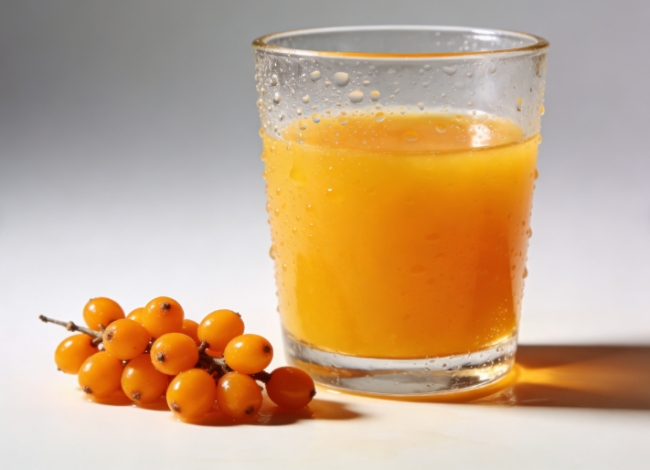
How to eat sea buckthorn powder?
Sea buckthorn powder, especially high-quality sea buckthorn juice powder, is a concentrated powder derived from natural sea buckthorn fruit and is hailed as a "natural vitamin treasure trove."
What is Sea Buckthorn Powder? Nutritional Analysis of Sea Buckthorn Fruit Powder
Sea buckthorn juice powder is a natural powder made from sea buckthorn fruit through low-temperature drying and ultra-fine grinding processes, retaining most of the active ingredients in the fruit. Sea buckthorn fruit powder specifically refers to powder refined from mature sea buckthorn fruit, typically containing no additives and boasting higher nutritional value.
Studies show that every 100 grams of sea buckthorn fruit powder contains hundreds of milligrams of vitamin C, far exceeding that of citrus fruits. In addition, it is rich in vitamins A, E, and K, as well as various unsaturated fatty acids such as omega-3, omega-6, omega-7, and omega-9, especially the rare palmitoleic acid (omega-7), which plays an important role in skin repair and mucous membrane health.
The flavonoids (such as quercetin and isorhamnetin) and polyphenols in sea buckthorn juice powder have powerful antioxidant capabilities, helping to eliminate free radicals, delay aging, and enhance immunity. Therefore, long-term, moderate intake of sea buckthorn fruit powder can help improve overall health.
Five Major Health Benefits of Sea Buckthorn Powder
1. Enhanced Immunity: The high concentration of Vitamin C and antioxidants in sea buckthorn juice powder effectively activates immune cell function, enhancing the body's disease resistance, making it especially suitable for consumption during seasonal changes or for those with weak constitutions.
2. Improved Digestive Health: The natural fruit acids and dietary fiber in sea buckthorn juice powder help promote gastrointestinal motility, relieving discomfort symptoms such as indigestion and gastritis. Clinical studies show that sea buckthorn oil has a protective effect on the gastric mucosa, and sea buckthorn fruit powder has similar effects.
3. Beauty and Skin Care, Improving Skin Condition: The omega-7 fatty acids and Vitamin E in sea buckthorn fruit powder work synergistically to repair damaged skin barriers, reducing dryness and peeling, and are often used to improve skin problems such as eczema and acne.
4. Antioxidant and Anti-inflammatory Effects: Multiple studies have shown that the polyphenols in sea buckthorn juice powder can inhibit the release of inflammatory factors, reduce chronic inflammatory responses, and have a certain auxiliary preventive effect on arthritis and cardiovascular diseases. 5. Supports Cardiovascular Health
Sea buckthorn fruit powder helps regulate lipid metabolism, lowering LDL levels while increasing HDL levels, thus maintaining blood vessel elasticity and preventing arteriosclerosis.
These health benefits make sea buckthorn powder not only an ideal choice for daily nutritional supplementation but also an important raw material for the development of functional foods.
Recommended Common Ways to Consume Sea Buckthorn Powder
Sea buckthorn powder can be consumed in various ways, and can be flexibly combined according to personal taste and needs:
1. Dissolve in warm water
The simplest way is to take 1-2 grams of sea buckthorn juice powder, add it to 200 ml of warm water, stir well, and then drink. It is recommended that the water temperature not exceed 60℃ to avoid destroying heat-sensitive nutrients.
2. Add to yogurt or milk
Mixing sea buckthorn fruit powder into unsweetened yogurt, milk, or plant-based milk not only makes the taste smoother but also increases protein and calcium intake, making it suitable for breakfast.
3. Making Healthy Drinks and Smoothies
Blend sea buckthorn fruit powder with bananas, apples, chia seeds, etc., into smoothies. This adds flavor and enhances nutritional value, making it an ideal choice for fitness enthusiasts.
4. Baking Additive
Adding a small amount of sea buckthorn fruit powder to bread, cakes, and energy bars not only adds a natural fruity aroma but also enhances the antioxidant value of the food.
How to Choose High-Quality Sea Buckthorn Fruit Powder?
• Raw Material Origin: High-quality sea buckthorn fruits grow in high-altitude, pollution-free areas, such as Northwest China and the Mongolian Plateau, where abundant sunshine and large temperature differences between day and night are conducive to nutrient accumulation.
• Processing Technology: Prioritize products that use low-temperature drying and ultra-fine grinding technology to better preserve active ingredients.
• Additives: Pure natural sea buckthorn fruit powder should be free of pigments, preservatives, and fillers.
• Testing Report: Legitimate products should provide a third-party testing report, clearly indicating vitamin content, heavy metals, microbial content, and other indicators.
Sea buckthorn fruit powder typically ranges in color from orange-yellow to dark brown, with a slightly acidic and fruity taste. If the color is too light or the taste is unusual, be wary of potential adulteration.
High-Quality Sea Buckthorn Fruit Powder Raw Materials
Sost Biotech is a high-tech company specializing in the research and production of natural plant extracts, committed to providing high-quality sea buckthorn juice powder raw materials to customers worldwide.
Sost Biotech offers customized sea buckthorn juice powder solutions. Whether it's OEM manufacturing or raw material supply, it can be tailored to customer needs. For more information or to establish business cooperation, please email: info@sostherbusa.com.
High-quality sea buckthorn fruit powder is not only a healthy choice for consumers but also a core competitive advantage for companies' innovative products.
References:
1.Yang, B., et al. (2016). "Nutritional and therapeutic potential of Hippophae rhamnoides L. (sea buckthorn): a review." *Journal of Functional Foods*, 20, 308–322. https://doi.org/10.1016/j.jff.2015.11.018
2.Zheng, L., et al. (2020). "Sea buckthorn (Hippophae rhamnoides L.) pulp oil and seed oil modulate lipid metabolism and improve antioxidant status in rats." *European Journal of Lipid Science and Technology*, 122(3), 1900234.
3.Sost Biotech. (2024). *Technical Datasheet: Organic Sea Buckthorn Fruit Powder*. Retrieved from https://www.sostherbusa.com/products
4.National Institutes of Health (NIH). (2022). "Omega-7 Fatty Acids: Health Implications and Sources." NIH Office of Dietary Supplements.
5. Zhang, Y., et al. (2019). "Antioxidant and anti-inflammatory activities of polysaccharides from sea buckthorn pulp." *International Journal of Biological Macromolecules*, 128, 587–595. https://doi.org/10.1016/j.ijbiomac.2019.01.123
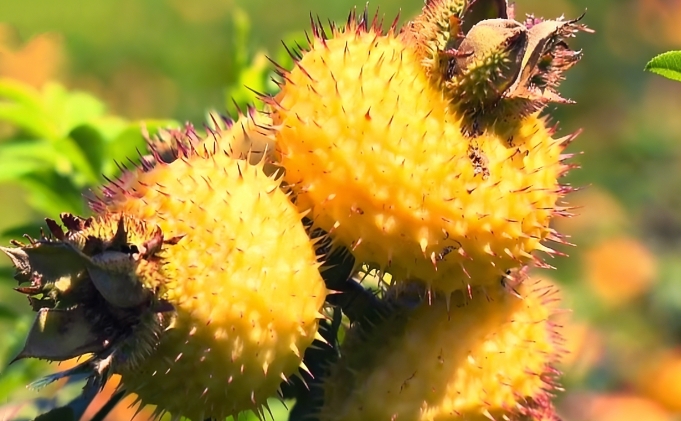
Rosa Roxburghii Extract Benefits
Rosa roxburghii Extract: Market Positioning as a High-Value Functional Raw Material
Rosa roxburghii extract is a natural plant-based active ingredient extracted from the fruit of the rosa roxburghii, a precious fruit unique to the Guizhou Plateau. It is rich in superoxide dismutase (SOD), vitamin C, flavonoids, and various trace elements. As a core raw material in the B2B functional food, health product, and cosmetic sectors, rosa roxburghii extract is becoming a high-growth category in the global raw material procurement market due to its outstanding antioxidant properties and multiple health benefits.
For raw material buyers, rosa roxburghii extract not only represents a natural and safe health trend but is also a key element for product differentiation. Its SOD activity units can reach over 100,000 IU/g, and its vitamin C content is 10 times that of kiwifruit and 50 times that of citrus fruits. This "natural vitamin treasure trove" characteristic gives it irreplaceable raw material value in niche markets such as immune health, anti-aging, and skin whitening.
Rosa Roxburghii Extract Benefits
2.1 Super Antioxidant and Immunomodulatory Functions
SOD (superoxide dismutase) in Rosa roxburghii Extract is a key enzyme for scavenging free radicals, which can effectively combat oxidative stress and delay cell aging. B2B clients can apply it to:
* Functional beverages: Developing ready-to-drink products with antioxidant and energizing properties
* Dietary supplements: Immune-enhancing formulas in capsule and tablet form
* Sports nutrition: Alleviating post-exercise oxidative damage and accelerating recovery
2.2 Whitening, Spot-Fading, and Skin Repair Effects
High concentrations of Vitamin C and polyphenols make prickly pear extract a popular choice for cosmetic raw materials:
* Whitening essence: Inhibits tyrosinase activity and blocks melanin production
* Anti-aging cream: Promotes collagen synthesis and improves skin elasticity
* Repairing mask: Soothes sensitive skin and repairs UV damage
2.3 Metabolic Regulation and Hangover Relief/Liver Protection Applications
The active ingredients in prickly pear extract can promote alcohol metabolism and protect liver cells, making it suitable for:
* Hangover Relief/Liver Protection Products: Functional beverages to be consumed before or after drinking alcohol
* Liver health supplements: Liver-protecting formulas for people who stay up late or drink alcohol
2.4 Cardiovascular Health Support
Flavones help lower blood lipids and improve microcirculation, and can be developed into:
Cardiovascular and cerebrovascular health products: daily maintenance products for middle-aged and elderly people
Functional foods: added to daily foods such as oatmeal and yogurt
Synergistic Formulation and Application Innovation of Prickly Pear Extract
Classic Formulation Combinations
Immune-enhancing Formula: Prickly Pear Extract + Elderberry Extract + Vitamin D3
Skin-brightening Formula: Prickly Pear Extract + Niacinamide + Sodium Hyaluronate
Hangover Relief and Liver Protection Formula: Prickly Pear Extract + Kudzu Root Extract + Curcumin
Anti-aging Formula: Prickly Pear Extract + Collagen Peptides + Coenzyme Q10
Dosage Form Development Recommendations
Based on end-market demand, prickly pear extract can be flexibly applied to:
Powders: Solid beverages, meal replacement powders, premixed powders
Liquids: Oral liquids, concentrated juices, functional beverages
Capsules/Tablets: Hard capsules, soft capsules, compressed candies
Topical Preparations: Serums, masks, creams
How to Choose a Reliable Prickly Pear Extract Supplier?
In the process of procuring raw materials for prickly pear extract, the supplier's qualifications and quality control capabilities directly determine the market competitiveness of the end product. We recommend that B2B buyers evaluate the following aspects:
* Raw material traceability system: Does the plantation have GAP-certified planting bases and can it provide complete agricultural records
* Extraction technology: Can low-temperature extraction technology maximize the preservation of SOD activity
* Quality testing capabilities: Is the plantation equipped with precision testing equipment such as HPLC and GC-MS
* Compliance certifications: International certifications such as ISO22000, HACCP, HALAL, and KOSHER
* Production capacity stability: Can monthly production capacity meet bulk purchase demands, and is the delivery cycle controllable
Recommended Supplier: Xi'an Sost Biotech Co., Ltd.
Xi'an Sost Biotech Co., Ltd. is a professional manufacturer in the field of prickly pear extract, focusing on the research and development and production of highly active SOD prickly pear extract, providing high-quality raw material solutions to global B2B clients.
Core Advantages:
Direct Sourcing from Origin: Strategic partnerships with Guizhou Plateau prickly pear planting bases ensure the authenticity of raw materials.
Leading Technology: Utilizing low-temperature vacuum extraction technology, SOD activity retention rate reaches over 95%.
Strict Quality Control: Equipped with a full set of testing equipment including HPLC and UV-Vis, each batch comes with a COA report.
Complete Certifications: ISO22000, HACCP, HALAL, KOSHER certifications, supporting exports to Europe and America.
Customized Services: Supports customized SOD activity specifications (50,000-200,000 IU/g), providing formulation technical support.
Stable Supply: Monthly production capacity of over 10 tons, with spot inventory in US overseas warehouses, shortening delivery cycles.
Contact Information:
Email: info@sostherbusa.com
Business Inquiries: Samples, COAs, and price lists are welcome.
References:
National Pharmacopoeia Commission. Pharmacopoeia of the People's Republic of China (Part I) [M]. Beijing: China Medical Science and Technology Press, 2020.
GB/T 5009.171-2003 Determination of Superoxide Dismutase (SOD) Activity in Food
Guizhou Province Prickly Pear Industry Development Report (2023)
ISO 22000:2018 Food Safety Management System Standard
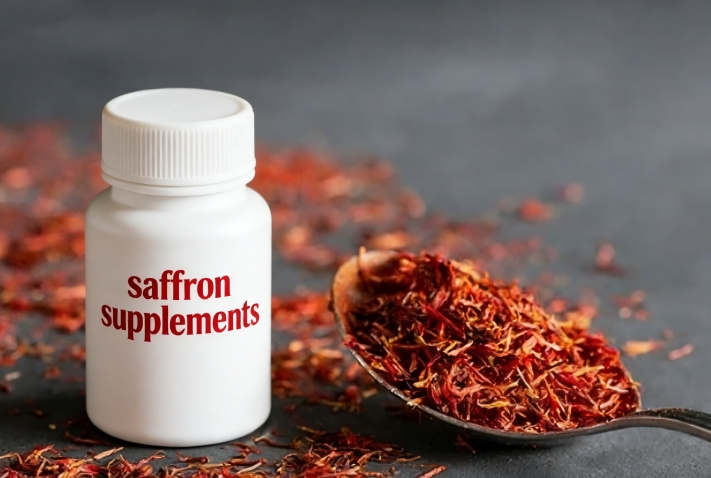
What does saffron extract do?
Saffron extract, a natural active ingredient derived from the precious medicinal plant saffron (Crocus sativus L.), is rich in various bioactive substances, such as crocin, safranal, and crocetin, and has a wide range of physiological regulatory and pharmacological effects.
I. Main Components of Saffron Extract
Saffron extract is a concentrated product obtained from the dried stigmas of the saffron plant (Iridaceae family) through solvent extraction and purification processes. Its core active components include:
• Crocin: A water-soluble carotenoid, the main reason for saffron's red color, possessing strong antioxidant capabilities;
• Safranal: A volatile component that gives saffron its unique aroma and has sedative and anti-anxiety effects;
• Crocetin: A fat-soluble component with anti-inflammatory, lipid-lowering, and neuroprotective functions.
II. Saffron Extract Exhibits Significant Antioxidant Effects
Oxidative stress is a major contributing factor to various chronic diseases (such as cardiovascular diseases and neurodegenerative diseases). Crocin and crocin in saffron extract can effectively scavenge free radicals, inhibit lipid peroxidation, and enhance the activity of antioxidant enzymes in the body (such as superoxide dismutase (SOD) and glutathione peroxidase). Studies have shown that the antioxidant capacity of saffron extract is superior to that of vitamin E and vitamin C, and it has significant value in delaying cell aging and preventing chronic diseases.
III. Saffron Extract Has Protective Effects on the Nervous System
Saffron extract can cross the blood-brain barrier and act directly on the central nervous system. Its neuroprotective mechanisms include:
• Inhibition of glutamate excitotoxicity;
• Reduction of β-amyloid protein deposition;
• Regulation of neurotransmitter levels (such as serotonin and dopamine).
Preclinical studies have shown that saffron extract can improve cognitive function and reduce depressive and anxiety-like behaviors in Alzheimer's disease models. Multiple human trials have confirmed that daily intake of 15–30 mg of saffron extract can significantly alleviate symptoms of mild to moderate depression.
IV. Saffron Extract's Benefits for Cardiovascular Health
The benefits of saffron extract for the cardiovascular system are mainly reflected in:
• Lowering serum total cholesterol and low-density lipoprotein (LDL) levels;
• Inhibiting platelet aggregation and preventing thrombosis;
• Improving vascular endothelial function and regulating blood pressure.
A 12-week double-blind controlled trial found that subjects taking saffron extract showed significant improvements in blood lipid levels and a significantly reduced risk of atherosclerosis. The mechanism is related to crocin activating the PPAR-α pathway and regulating lipid metabolism.
V. Potential Applications of Saffron Extract in Skin Care
With its antioxidant, anti-inflammatory, and whitening effects, saffron extract has become an important ingredient in high-end skincare products. Its functions include:
• Inhibiting tyrosinase activity and reducing melanin production;
• Alleviating skin inflammation and photoaging caused by ultraviolet radiation;
• Promoting microcirculation and improving dull skin tone.
In vitro experiments have shown that skincare preparations containing 1% saffron extract can reduce melanin content by approximately 35% with no significant irritation, making them suitable for sensitive skin.
VI. Research Progress on the Antitumor Activity of Saffron Extract
In recent years, the antitumor potential of saffron extract has received widespread attention. Studies have shown that crocin can inhibit the proliferation of various tumor cells, such as breast cancer, lung cancer, and colon cancer cells, through mechanisms such as inducing cell cycle arrest, promoting cancer cell apoptosis, and inhibiting angiogenesis. Although currently still in the laboratory and animal research stage, its application as an adjunct anticancer ingredient has broad prospects.
VII. Safety and Usage Recommendations
Saffron extract is generally safe at the recommended dosage (no more than 1.5 grams of dried flowers or equivalent extract per day). However, high doses may cause uterine contractions, and pregnant women should use it with caution. In addition, a very small number of people may experience allergic reactions. It is recommended to choose standardized extract products to ensure stable levels of active ingredients.
VIII. Partnering with SOST Biotech for High-Quality Saffron Extract Raw Materials
As a leading manufacturer in the field of natural active ingredients, SOST Biotech focuses on the research and production of high-purity, high-stability saffron extract. The company utilizes cGMP-standard production lines combined with high-performance liquid chromatography (HPLC) quality control technology to ensure that the crocin content in each batch of products is ≥10%, and provides complete technical support and customized solutions. Whether for functional food, pharmaceutical, or cosmetic development, partnering with SOST Biotech will provide you with a stable, compliant, and efficient supply of saffron extract raw materials.
Contact email:info@sostherbusa.com
Conclusion: Saffron extract, as a multi-functional natural active ingredient, shows broad application prospects in anti-oxidation, neuroprotection, cardiovascular health, skin care, and potential anti-tumor effects. With in-depth scientific research and improved production processes, its value in the health industry will be further realized. Choosing a reliable partner is key to ensuring product quality and market competitiveness.
References:
1.Hosseinzadeh, H., & Younesi, H. M. (2002). Antinociceptive and anti-inflammatory effects of Crocus sativus L. stigma and petal extracts in mice. *Journal of Ethnopharmacology*, 79(3), 377–383.
2.Akhondzadeh, S., et al. (2005). Crocus sativus L. (petal) in the treatment of mild to moderate depression: a double-blind, randomized and placebo-controlled trial. *Phytomedicine*, 12(7), 485–489.
3.Koulivand, P. H., et al. (2013). Saffron (Crocus sativus) and neurological disorders: a review. *Neurological Sciences*, 34(6), 801–809.
4.Abdullaev, N. I., & Espinosa-Aguirre, J. J. (2004). Biomedical properties of saffron and its potential use in cancer therapy and chemoprevention trials. *Cancer Detection and Prevention*, 28(6), 406–413.
5.Poma, A., et al. (2012). Anti-inflammatory properties of saffron and its potential use in the treatment of inflammatory diseases. *Natural Product Research*, 26(1), 1–7.
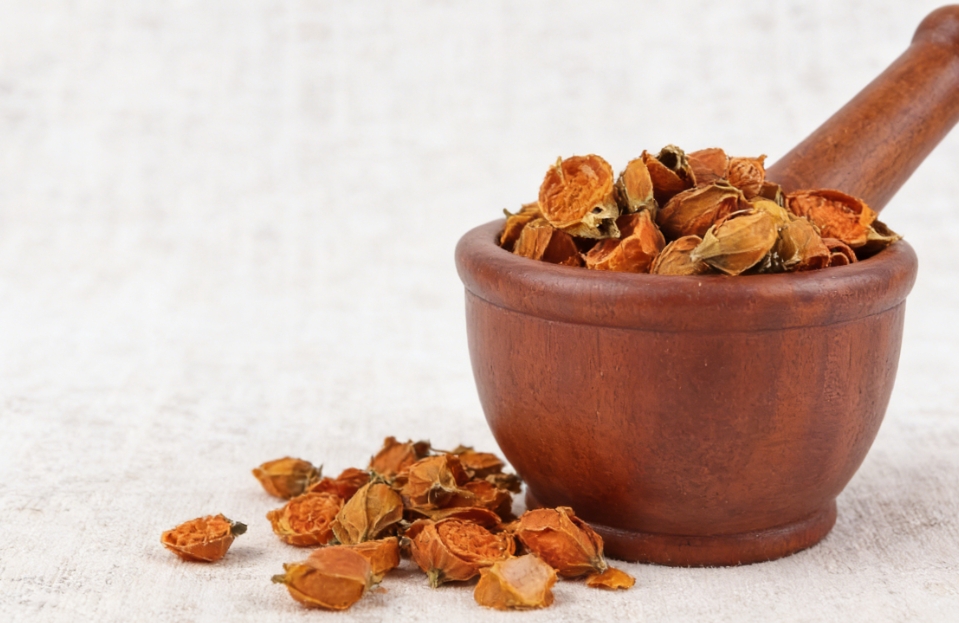
What is gardenia extract?
Gardenia flower extract is a natural plant active ingredient extracted from the flowers, fruits, or whole plant of *Gardenia jasminoides* Ellis, a plant belonging to the Rubiaceae family. Gardenia is native to the Yangtze River basin and areas south of it in China and is a traditional and precious medicinal and spice plant with a cultivation history of over 2000 years. Gardenia flower extract is mainly obtained through modern processes such as water extraction, alcohol extraction, or supercritical CO₂ extraction, and is rich in genipin, gardenia yellow pigment, volatile oils, organic acids, and other bioactive substances.
In the plant extract industry, gardenia flower extract usually refers to a concentrated powder or liquid product prepared from gardenia flowers or fruits using scientific extraction processes. It is typically a pale yellow to brownish-yellow powder with the characteristic fragrance of gardenia flowers, is easily soluble in water and ethanol, and is widely used in food, cosmetics, pharmaceuticals, and health products.
What are the core components of gardenia flower extract?
The efficacy of gardenia flower extract primarily stems from the following key components:
1. Iridoid Glycosides
Geniposide: The most abundant active ingredient, possessing hepatoprotective, choleretic, anti-inflammatory, analgesic, and neuroprotective effects.
Genipin: A hydrolysis product of geniposide, a natural cross-linking agent widely used in biomedical materials.
2. Carotenoids
Crocin: A natural water-soluble yellow pigment, an important coloring component in gardenia flower extract, highly safe, and suitable for food coloring.
3. Volatile Oil Components
Containing various terpenoid compounds such as linalool, geraniol, and nerol, giving gardenia flower extract its unique floral fragrance and soothing effects.
4. Organic Acids and Polyphenols
Chronic acid, caffeic acid, and other antioxidants enhance the free radical scavenging ability of gardenia flower extract.
The synergistic effect of these components makes gardenia flower extract a multifunctional natural raw material, demonstrating significant application potential in multiple industrial sectors.
Why do cosmetic formulators favor gardenia extract?
In the cosmetics and personal care industry, gardenia extract is becoming a highly sought-after functional ingredient. Its skincare benefits are mainly reflected in the following aspects:
* Antioxidant and Anti-aging:Gardenia extract is rich in polyphenols and geniposide, which can effectively scavenge DPPH and hydroxyl free radicals, reduce UV-induced oxidative damage, and delay the skin aging process. Studies have shown that gardenia extract inhibits collagenase, helping to maintain skin elasticity and firmness.
*Soothing and Calming Effects: The volatile oil components of gardenia extract have natural aromatherapy effects, relieving skin sensitivity, redness, and irritation. Its anti-inflammatory properties are valuable for sensitive skin care and after-sun repair products.
*Whitening and Brightening Effects: Gardenia yellow pigment is not only a safe natural pigment, but its active ingredients can also inhibit tyrosinase activity, reducing melanin production. Combined with its antioxidant properties, it can achieve a brighter and more even skin tone through multiple pathways.
Moisturizing and Barrier Repair
The polysaccharides in gardenia flower extract can form a protective film on the skin surface, enhance the hydration capacity of the stratum corneum, improve dry skin, and strengthen the skin barrier function.
Based on these effects, gardenia flower extract is widely used in skincare products such as serums, creams, masks, and body lotions, and is particularly suitable for formulations targeting sensitive, aging, and dull skin.
How has gardenia flower extract become a new favorite among natural food additives?
With the rise of the Clean Label trend, gardenia flower extract, with its natural, safe, and multifunctional properties, is increasingly widely used in the food industry:
Natural Colorant
Gardenia yellow pigment is the most commercially valuable food-grade pigment in gardenia flower extract. It has a bright and stable color, good light and heat resistance, and can be used for yellow to orange-yellow coloring in beverages, candies, pastries, dairy products, condiments, and other foods. Compared with synthetic pigments, pigments derived from gardenia flower extract have higher consumer acceptance and safety.
Functional Food Ingredients: Gardenia flower extract possesses health benefits such as liver protection, choleretic effects, uric acid reduction, and sleep improvement, making it suitable for developing functional foods like liver-protecting tablets, uric acid-lowering teas, and calming dietary supplements.
Natural Flavorings: The unique, elegant floral fragrance of gardenia flower extract makes it an important source of high-end food flavorings, used in the flavoring of teas, desserts, and candies to enhance sensory quality and premium pricing.
Preservation and Antioxidant Properties: Studies have shown that gardenia flower extract inhibits various common food bacteria, and its antioxidant activity helps delay oil oxidation, demonstrating potential in the field of natural food preservation.
For food manufacturers, choosing high-quality gardenia flower extract not only meets consumer demand for natural ingredients but also provides differentiated functional selling points for products.
How to Choose a High-Quality Gardenia Flower Extract Supplier?
What Quality Indicators Should Be Considered When Purchasing Gardenia Flower Extract? When procuring gardenia extract, buyers need to evaluate product quality and supplier qualifications from the following dimensions:
1. Component Content and Specifications
Gardenin content (usually detected by HPLC, common specifications 5%-98%)
Gardenia yellow pigment chroma value (a key indicator of color intensity)
Volatile oil content (affects aroma quality)
Clearly labeled extraction ratio (e.g., 10:1, 20:1) or standardized content
2. Testing and Certification
Third-party testing reports (heavy metals, pesticide residues, microorganisms)
ISO, HACCP, GMP, and other quality management system certifications
Organic certification (if applicable)
Food safety related certifications (SC, FDA, HALAL, KOSHER, etc.)
3. Process and Stability
Is the extraction process advanced (low-temperature extraction better preserves heat-sensitive components)?
Product solubility and stability test data
Batch-to-batch quality consistency
4. Application Technical Support
Does the supplier provide formulation application suggestions?
Do they support customized specifications (e.g., for special requirements of cosmetics or food)?
Minimum order quantity (MOQ) and delivery cycle
5. Traceability and Sustainability
Raw Material Origin Traceability (Authentic Medicinal Herb Production Areas Preferred)
Does Planting and Harvesting Comply with Sustainable Principles?
Supply Chain Transparency
Professional gardenia extract suppliers should be able to provide complete Certificates of Analysis (COA), MSDS (Material Safety Data Sheets), and application guidance documents to help buyers ensure that raw material quality meets end-product requirements.
FAQ
Q1: Are gardenia flower extract and gardenia extract the same product?
A: In the industry, they usually refer to the same raw material, but strictly speaking, "gardenia flower extract" emphasizes the flower as the raw material, focusing on aroma and volatile oil components; while "gardenia extract" may include fruit extract, focusing more on geniposide and pigment components. When purchasing, you should confirm the specific raw material part and specifications with the supplier.
Q2: What is the recommended dosage of gardenia flower extract?
A: The dosage varies greatly depending on the application:
Cosmetics: 0.5%-5% (usually 1%-3% in serums)
Food coloring: Adjusted according to the required color value, usually 0.01%-0.1%
Health supplements: Based on geniposide content, the recommended daily intake is 10-50mg. Specific dosage needs to be determined based on the product formula and regulatory requirements.
Q3: Is gardenia flower extract suitable for all skin types?
A: Gardenia flower extract is generally mild, but a very small number of people may be allergic to plant components. It is recommended to perform a patch test before first use. Sensitive skin should choose a low-concentration formula.
Q4: How stable is gardenia flower extract?
A: Geniposide is relatively stable to light and heat, but prolonged exposure to strong light may cause color changes. It is recommended to store in a cool, dry place away from light, in a sealed container. The shelf life of powder products is usually 24 months.
Q5: How to choose between liquid and powder forms of gardenia flower extract?
A: Powder form (spray-dried or vacuum-dried) is easier to transport and store, suitable for most formulations; liquid extracts (such as pastes) retain more volatile components, suitable for products with high fragrance requirements, but attention must be paid to preservation and shelf-life issues.
Q6: Can gardenia extract be used in combination with other plant extracts?
A: Yes, and the synergistic effect is even better. Common combinations include:
Combined with licorice extract: enhances anti-inflammatory and soothing effects
Combined with centella asiatica extract: strengthens repair effects
Combined with vitamin C derivatives: enhances antioxidant and whitening properties
Combined with jujube seed extract: used in the development of sleep aid products
Why choose gardenia extract from Xi'an Sost Biotech Co., Ltd.?
How to find a reliable gardenia extract raw material partner?
Among many gardenia extract suppliers, Xi'an Sost Biotech Co., Ltd. has become a trusted plant extract supplier for global buyers due to its professional technical strength and strict quality control. If you are looking for high-quality gardenia extract raw materials, please contact Xi'an Sost Biotech Co., Ltd.:
Email: info@sostherbusa.com
Our professional team will provide you with detailed product information, sample support, and procurement solutions to assist you in product development and market expansion.
References:
National Pharmacopoeia Commission. Pharmacopoeia of the People's Republic of China (Part I) [M]. Beijing: China Medical Science and Technology Press, 2020.
China Plant Extract Industry Alliance. Quality Standards and Detection Methods for Plant Extracts [S]. 2019.
Kim, S.J., et al. (2020). Anti-inflammatory effects of geniposide in skincare applications. Journal of Cosmetic Dermatology, 19(8), 2045-2052.
Zhang Tiejun, Bai Gang. Research progress on chemical components and pharmacological effects of Gardenia [J]. Chinese Traditional and Herbal Drugs, 2021, 52(3): 892-903.
FDA. GRAS Notice for Gardenia Yellow Pigment [S]. 2018.
European Food Safety Authority (EFSA). Scientific Opinion on the safety of Gardenia extract as a food additive [J]. EFSA Journal, 2019, 17(6): e05712.
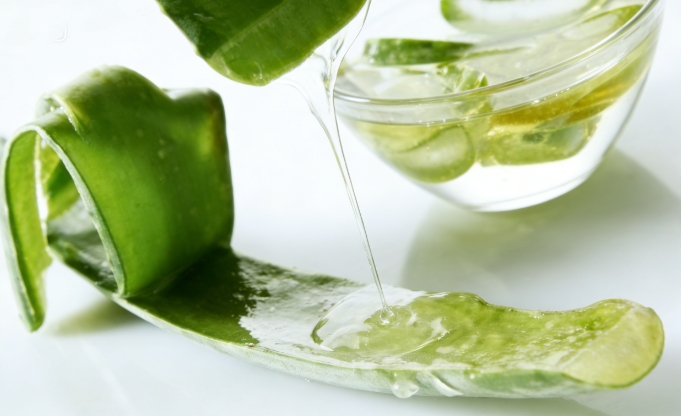
How extract aloe vera gel?
Aloe vera gel is an important raw material in the cosmetics, health products, and food industries. Its extraction process directly determines the efficacy and market value of the final product. For B2B buyers, a thorough understanding of aloe vera gel extraction technology not only helps in assessing raw material quality but is also key to establishing a stable supply chain.
What are the traditional extraction methods for aloe vera gel powder?
The extraction processes for aloe vera gel powder are mainly divided into two categories: physical methods and chemical methods. Traditional physical extraction methods are centered on "peeling and extracting the gel." This involves manually or mechanically peeling the outer skin of aloe vera leaves, collecting the transparent gel from the pulp, and then washing, crushing, filtering, concentrating, and spray-drying to produce aloe vera gel powder. This method can retain the most active ingredients such as aloe polysaccharides and amino acids, but it is less efficient and more expensive.
Chemical solvent extraction methods use organic solvents such as ethanol and acetone to extract the effective components from aloe vera. Although the extraction rate is high, there may be a risk of solvent residue, posing a challenge to the safety of the final product. Currently, mainstream suppliers of food-grade and cosmetic-grade aloe vera powder have gradually phased out high-residue processes and shifted to safer supercritical CO₂ extraction technology to ensure that their aloe vera powder meets international quality standards.
How to determine if an aloe vera powder extraction process is advanced?
Assessing the advancement of an aloe vera powder extraction process requires attention to three core indicators: active ingredient retention rate, microbial control level, and heavy metal removal capability. High-quality aloe vera powder should have an aloe polysaccharide content of no less than 200 mg/g, which requires the extraction temperature to be controlled below 60℃ to avoid degradation of heat-sensitive components.
The combination of modern low-temperature vacuum concentration technology and freeze-drying has become standard in the production of high-end aloe vera powder. Aloe vera powder produced by this process is white in color, has good water solubility, and the content of aloin (a laxative component) is controllable, making it suitable for oral beauty products with extremely high safety requirements. B2B buyers should focus on whether the supplier is equipped with HPLC (High-Performance Liquid Chromatography) testing equipment during factory inspections to ensure the component stability of each batch of aloe vera powder.
Is Decolorization and Deodorization Technology Important in Aloe Vera Powder Extraction?
For cosmetic and food applications, the decolorization and deodorization process for aloe vera powder is crucial. Natural aloe vera gel contains anthraquinone compounds, which not only cause a bitter odor but may also trigger skin allergies. Advanced activated carbon adsorption combined with membrane filtration technology can remove impurities while preserving the active structure of aloe polysaccharides.
Some high-end aloe vera powders also employ enzymatic hydrolysis, using specific enzymes to break down protein fragments that cause odor, resulting in a final product with better palatability and compatibility. B2B buyers should request sensory testing reports from suppliers for aloe vera powder, including key parameters such as color (whiteness value), odor rating (1-5 scale), and clarity after dissolution. These details directly impact the consumer experience of the final product.
How Does the Concentration and Drying Process of Aloe Vera Powder Affect Quality?
From liquid gel to solid aloe vera powder, concentration and drying are decisive steps. Traditional hot air drying is low-cost, but high temperatures can cause the aloe polysaccharide molecular chains to break down, significantly reducing biological activity. Currently, industry-leading low-temperature spray drying and vacuum freeze-drying technologies can complete dehydration within a temperature range of -40℃ to 50℃, allowing aloe vera powder to almost fully recover its original gel state after rehydration.
Of particular note is that freeze-dried aloe vera powder has a more porous structure and dissolves more than 30% faster than spray-dried products. This is especially important for beverage and facial mask formulations requiring rapid dispersion. Furthermore, instantaneous sterilization technology during the drying process (such as UHT ultra-high temperature instantaneous sterilization combined with aseptic packaging) can control the microbial indicators of aloe vera powder below 10 CFU/g, meeting the stringent standards for export to high-end markets such as the EU and the US.
How to Ensure Process Stability for Small-Batch Customized Aloe Vera Powder?
For B2B customers requiring customized aloe vera powder (such as specific polysaccharide content, particle size distribution, or compounding needs), the supplier's pilot-scale capability becomes crucial. Mature aloe vera powder manufacturers should possess seamless scale-up capabilities from laboratory trials (1-5 kg) to industrial-scale production (tonnage-level), ensuring that process parameters remain stable even after large-scale production.
This requires suppliers to have standardized extraction procedures (SOPs) and a comprehensive quality control system, including traceability of the aloe vera variety (Aloe barbadensis, Aloe vera var. sinensis, etc.), control over harvesting time (leaves with a growth period of 3 years or more have higher polysaccharide content), and GMP certification for the production environment. B2B buyers should prioritize aloe vera powder suppliers who can provide a complete set of Certificates of Analysis (COA), MSDS, and stability test data to reduce procurement risks.
Choosing a professional aloe vera powder supplier
In the procurement of aloe vera powder raw materials, the supplier's technical strength and quality control capabilities directly determine the competitiveness of the end product. Xi'an Sost Biotech Co., Ltd., a professional manufacturer in the field of plant extracts, has been deeply involved in the supply of raw materials such as aloe vera gel powder for many years and possesses the following core advantages:
* Advanced Extraction Technology: Utilizing dual production lines for low-temperature concentration and spray drying/freeze-drying, we can customize aloe vera gel powder with concentration ratios ranging from 200:1 to 100:1 according to customer needs.
* Strict Quality Control: Equipped with HPLC, UV, and other testing equipment, each batch of aloe vera gel powder is tested for aloe polysaccharides, aloin, microorganisms, and heavy metals, and third-party testing reports are available.
* International Certification System: Certified by ISO, HACCP, etc., our products are exported to markets in Europe, America, and Southeast Asia, and we support direct shipping from our overseas warehouses in the United States.
* Flexible Customization Services: We support full-process technical support from raw materials to formulations, meeting the application needs of multiple fields such as cosmetics, health products, and food.
Contact Information:
Email: ericyang@xasost.com
We welcome B2B customers to inquire about aloe vera gel powder specifications, sample requests, and customized production solutions. Sost Biotech will provide you with high-quality raw material guarantees and professional technical support.
References
[1] Wang Jianhua et al. Research progress on extraction process and bioactivity of aloe polysaccharides[J]. Food Industry Technology, 2022.
[2] International Aloe Science Council. Aloe Vera Processing and Quality Standards[R]. 2023.
[3] National Pharmacopoeia Commission. Pharmacopoeia of the People's Republic of China (Part I)[M]. Beijing: China Medical Science and Technology Press, 2020.
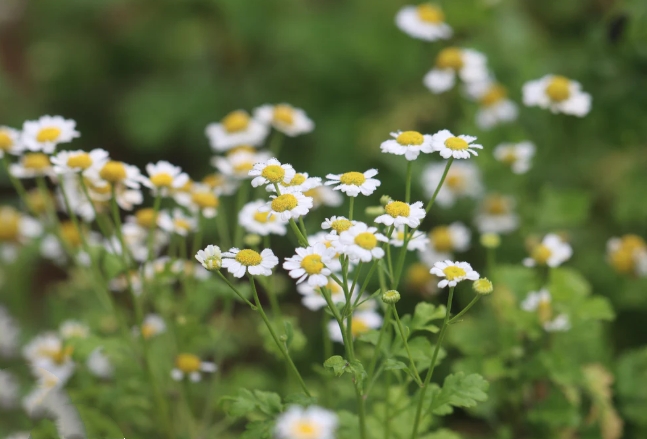
What is feverfew extract?
Feverfew extract is a natural active ingredient extracted from the plant *Tanacetum parthenium*, a member of the Asteraceae family. This perennial herbaceous plant, native to the Balkan Peninsula in Europe, is named for its feathery leaves and daisy-like white flowers, and has a history of use in traditional herbal medicine for over two thousand years.
Modern plant extraction technology uses precise processes to isolate high-purity active ingredients from the flowers and leaves of feverfew. Parthenolide is the core active ingredient, typically present at a concentration of 0.3%-1.0%. As a B2B ingredient, feverfew extract is mainly supplied in powder form and is widely used in dietary supplements, functional foods, and cosmetic formulations. For raw material buyers, understanding its plant source and extraction process is the first step in evaluating product quality.
What are the main active ingredients of feverfew extract?
The efficacy of feverfew extract is concentrated in its unique spectrum of terpene compounds. In addition to the signature ingredient parthenolide, it also contains:
Sesquiterpene lactones: Possessing significant biological activity, these are key indicators for differentiating raw material quality.
Flavonoids: Including apigenin and luteolin, which are antioxidant components.
Volatile oil components: Giving the raw material its characteristic plant aroma.
In B2B purchasing decisions, parthenolide content is a core quality parameter. High-quality raw materials are usually standardized using HPLC detection, with standardized content specifications including 0.3%, 0.5%, and 1%. It is worth noting that different extraction solvents (water extraction, alcohol extraction, supercritical CO₂ extraction) significantly affect the final product's component profile and application areas. Water extracts are more suitable for food applications, while alcohol extracts perform better in the cosmetics field.
In which areas does feverfew extract have commercial application value?
The B2B application scenarios of feverfew extract are diverse, mainly covering three major industry sectors:
The dietary supplement industry occupies the largest market share. As a traditional plant ingredient for migraine management, feverfew extract is made into capsules and tablets, targeting health-conscious consumers. The North American and European markets have a continuously growing demand for such natural solutions, with a stable compound annual growth rate of 8%-12%.
Functional food development is an emerging growth point. Some innovative brands are incorporating feverfew extract into everyday consumer products such as teas and gummies, emphasizing the "stress relief" concept, which aligns with contemporary lifestyle trends.
The application of feverfew extract in cosmetic ingredients is also on the rise. Its soothing properties make it a key ingredient in sensitive skin care formulations, commonly found in creams and serums. Its antioxidant value is also being utilized in the development of anti-aging product lines.
For formulation engineers and purchasing managers, understanding the end-use applications helps determine raw material specifications and certification requirements.
How to identify the quality of feverfew extract?
The core challenge for B2B procurement is establishing a reliable quality assessment system. We recommend the following dimensions for supplier evaluation:
Compliance with testing standards: High-quality suppliers should provide a complete Certificate of Analysis (COA), including feverfew lactone content determination, heavy metal testing (lead, arsenic, mercury, cadmium), pesticide residue screening, and microbiological indicators. ISO and GMP certifications are basic requirements, while organic certification (USDA/EU Organic) represents a higher quality level.
Transparency of extraction process: Inquire about the type of extraction solvent, concentration ratio, and standardization process. Products using low-temperature extraction technology better preserve heat-sensitive active ingredients.
Supply chain stability: Evaluate the scale of the raw material base and harvesting cycle. Feverfew is sensitive to its growing environment, and suppliers with self-controlled cultivation bases can better ensure batch consistency.
Application technical support: Professional suppliers should provide formulation advice, stability testing data, and regulatory compliance guidance, rather than simply trading raw materials.
What to pay attention to when purchasing feverfew extract?
When entering the feverfew extract procurement process, B2B buyers need to pay attention to several practical points:
Regulatory compliance upfront: The regulatory framework for plant extracts varies significantly across different markets. The EU classifies it as a traditional herbal medicine, requiring compliance with the Traditional Herbal Medicinal Products Directive; the US FDA considers it a dietary supplement ingredient; and China manages it as a new food ingredient or a substance with both medicinal and food uses. Ensure that the supplier can provide a complete set of compliance documents for the target market.
Price fluctuation management: Feverfew raw materials are affected by climate and planting area, resulting in seasonal price fluctuations. It is recommended to establish long-term framework agreements with suppliers or lock in supply prices for 6-12 months.
Minimum Order Quantity (MOQ) and delivery time: Standard specifications are usually 25kg/drum, and customized specifications require confirmation of MOQ and delivery time. Suppliers with overseas warehousing capabilities can significantly shorten delivery times.
Sample Testing Process: Prior to formal procurement, it is essential to conduct small-batch sample testing to verify solubility, stability, and formulation compatibility.
Recommended High-Quality Feverfew Extract Raw Material Supplier
In the B2B supply field of botanical extracts, Xi'an Sost Biotech Co., Ltd. is a trustworthy and professional partner. As a manufacturer with many years of experience in the botanical extract industry, Sost Biotech has established a comprehensive production system for feverfew extract:
Core Advantages:
Standardized parthenolide content specifications (0.3%/0.5%/1% HPLC testing)
Complete quality certification system (ISO, GMP, Organic Certification)
Self-owned planting base + modern extraction workshop, ensuring raw material traceability
Supports customized extraction processes and specification development
US overseas warehouse stock available, shortening international delivery cycles
Business Contact:
Email: ericyang@xasost.com
Business Inquiry: Welcome to email us for product specifications, COA templates, and samples.
Whether you are developing a new generation of dietary supplement brands or looking for a reliable source of active ingredients for cosmetics, Xi'an Sost Biotech Co., Ltd. can provide professional feverfew extract raw material solutions and full technical support.
References:
Pareek A, et al. (2011). Feverfew (Tanacetum parthenium L.): A systematic review. Pharmacognosy Reviews.
Chinese Pharmacopoeia Commission. (2020). Quality Standards for Medicinal Plant Extracts.
European Medicines Agency. (2015). Assessment report on Tanacetum parthenium.
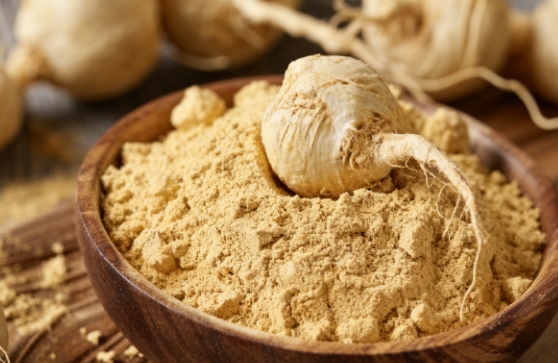
What does maca root extract do?
Maca root extract, one of the fastest-growing plant-based ingredients in the global dietary supplement market in recent years, is attracting increasing attention from B2B buyers. This cruciferous plant, originating from the high-altitude Andes Mountains of Peru, has become a star ingredient in functional foods, health products, and pharmaceuticals after being concentrated using modern extraction techniques.
How does maca root extract improve male vitality and health?
The unique alkaloid components in maca root extract, such as macamides and macaenes, can naturally promote the balance of testosterone levels by regulating the hypothalamus-pituitary-gonadal axis. Unlike traditional chemically synthesized hormones, maca root extract, as a plant-derived ingredient, does not interfere with the body's own endocrine regulatory mechanisms, making it an ideal choice for men's health product formulations.
Applications of maca root extract in male vitality products include: sports nutrition supplements, men's multivitamins, anti-aging capsules, and functional beverages. Especially in the North American and European markets, men's health products containing standardized maca root extract (usually standardized to 0.6% macamide content) have shown continuous annual sales growth, indicating strong market demand. When evaluating raw materials, buyers should focus on the standardized content of active ingredients in the extract and the HPLC test report to ensure the stability of product efficacy.
Does maca root extract really work for managing menopausal symptoms in women?
Clinical studies show that the phytosterols and polyphenolic compounds in maca root extract have a mild estrogen-regulating effect, effectively alleviating common menopausal symptoms such as hot flashes, mood swings, and decreased sleep quality in women.
From a commercial perspective, this characteristic makes maca root extract a popular choice for women's health product formulators. In the international market, women's health capsules combining maca root extract with evening primrose oil and black cohosh extract, as well as functional teas containing maca root extract, have received positive consumer feedback.
Can maca root extract be used as a natural energy supplement in sports nutrition products?
Statistics show that the acceptance of natural energy drinks and pre-workout supplements containing maca root extract among fitness enthusiasts is increasing year by year. It is recommended that when purchasing, suppliers be required to provide complete third-party testing reports on heavy metals, pesticide residues, and microbial limits to ensure that the raw materials meet the strict standards for sports nutrition products.
Have the anti-stress and cognitive support effects of maca root extract been scientifically validated?
Neuropharmacological studies have shown that the alkaloid components in maca root extract can regulate the metabolism of monoamine neurotransmitters, including dopamine and serotonin, thereby supporting emotional stability and cognitive function.
In the European and American markets, anti-stress capsules combining maca root extract with adaptogenic herbs such as ashwagandha and rhodiola, as well as functional foods for mental workers, are forming a new product trend.
What are the application prospects of maca root extract in the food and beverage industry?
In addition to the dietary supplement field, the application of maca root extract in the mainstream food and beverage industry is rapidly expanding. Its unique caramel-malt flavor profile makes it an ideal natural additive for functional beverages, energy bars, plant-based milk, and baked goods. Unlike artificial flavors and colors, maca root extract not only provides flavor but also increases the nutritional value and health claims of the product, meeting consumers' dual expectations for "functional foods."
It is worth noting for B2B buyers that different color varieties of maca (yellow maca, red maca, black maca) differ in flavor characteristics and active ingredient profiles. Black maca is generally considered to have the highest content of active ingredients and is suitable for high-end health product formulations, while yellow maca is more cost-effective and suitable for mass-market food and beverage applications.
Recommended Suppliers of High-Quality Maca Root Extract Raw Materials
When purchasing maca root extract, it is crucial to choose a supplier with a complete quality control system and professional extraction technology capabilities. Xi'an Sost Biotech Co., Ltd., as a professional plant extract manufacturer, is committed to providing high-quality maca root extract raw materials to global B2B customers.
Business Contact:
Email: ericyang@xasost.com
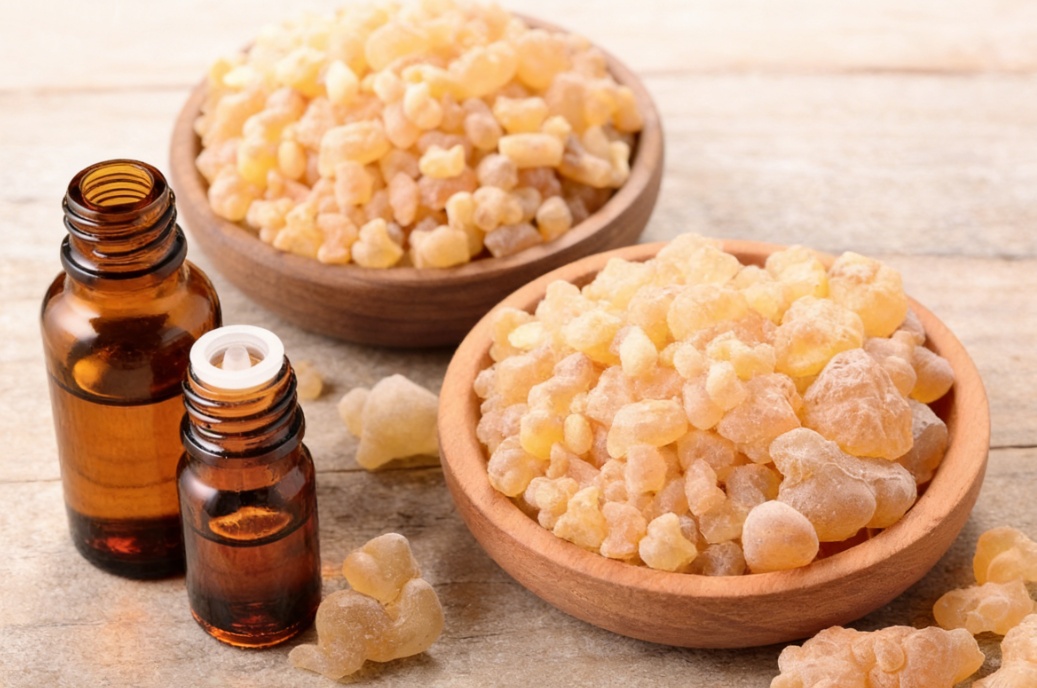
Can you ingest frankincense extract?
Frankincense extract is an active ingredient extracted from frankincense resin, primarily containing bioactive substances such as boswellic acids. Standardized and purified Boswellia extract has been approved for use in food, dietary supplements, and functional foods in many countries and regions worldwide. The US FDA has listed it as a GRAS (Generally Recognized as Safe) substance, and the EU also permits its use in specific food categories.
Only Boswellia products that meet food-grade standards and have undergone rigorous heavy metal and pesticide residue testing can enter the food supply chain.
What are the specific application areas of food-grade Boswellia extract?
Dietary supplements: This is the main application area for frankincense extract, usually appearing in capsule or tablet form, primarily targeting joint health and anti-inflammatory functions.
Functional beverages: Some sports recovery drinks and anti-inflammatory functional beverages are beginning to add water-soluble Boswellia extract to meet consumer demand for natural anti-inflammatory ingredients.
Medical foods: frankincense extract is widely used as a core functional ingredient in specific medical foods formulated for people with degenerative joint diseases.
Traditional food innovation: In the Middle East and Indian markets, frankincense extract is being reapplied to modern chewing gum, candies, and other products, giving traditional ingredients new commercial value.
For purchasing managers, the specifications required for frankincense extract vary significantly depending on the application scenario – dietary supplements typically require a boswellic acid content of over 65%, while beverage applications focus more on water solubility and taste compatibility.
What are the safe dosage and regulatory boundaries for consuming frankincense extract?
Even if Boswellia extract is confirmed to be edible, B2B buyers still need to strictly control dosage compliance. Regulatory standards vary across countries:
EU: frankincense extract is used as a traditional herbal medicine, with a recommended daily intake of usually 300-1200mg of boswellic acid.
US: The FDA has not set specific limits, but mainstream products on the market contain between 300-500mg of extract per serving.
China: As a new food ingredient, frankincense extract requires administrative approval and currently mainly relies on imported raw materials for cross-border e-commerce channels.
Japan: Permitted for use in specific health foods (FOSHU), requiring separate declaration of functional ingredients.
When purchasing internationally, it is crucial to note that different specifications from the same supplier may correspond to different compliance pathways. Food-grade, cosmetic-grade, and pharmaceutical-grade frankincense extracts differ fundamentally in extraction solvents, purity, and testing standards. Procurement contracts must clearly specify the intended use and specifications to avoid compliance risks.
How to choose a reliable food-grade frankincense extract supplier?
Confirming that the frankincense extract is edible is only the first step; finding a stable and compliant raw material supplier is the core challenge for B2B procurement. A high-quality supplier should possess the following characteristics:
Complete traceability system: Able to provide full-chain traceability from resin collection to finished product delivery, ensuring a stable source of raw materials.
Comprehensive testing capabilities: In addition to conventional physical and chemical indicators, they should have third-party testing capabilities for heavy metals (lead, arsenic, mercury, cadmium), pesticide residues, microorganisms, and frankincense acid content.
Customized service capabilities: Provide customized solutions with different specifications and dosage forms based on the customer's end application (water-soluble beverages vs. oil-soluble soft capsules).
Complete international certifications: ISO22000, HACCP, Kosher, Halal, etc., are basic requirements for entering the global supply chain.
Inventory and logistics advantages: Possess overseas warehousing capabilities to shorten delivery cycles and reduce inventory pressure for cross-border procurement.
Why choose Xi'an Sost Biotech Co., Ltd.?
Assuming the frankincense extract is edible, Xi'an Sost Biotech Co., Ltd., as a professional global supplier of botanical extracts, provides trustworthy food-grade frankincense extract solutions for B2B customers:
Technical strength: Possesses a standardized extraction workshop and HPLC testing laboratory, with customizable frankincense acid content ranging from 10% to 90%, meeting diverse needs from ordinary food to high-end dietary supplements.
Quality assurance: Strictly implements the ISO22000 food safety management system, with a complete COA for each batch of products, and heavy metal and pesticide residue indicators meeting EU, US, and Chinese standards.
Application support: Equipped with a professional R&D team to assist customers with formula adaptation, stability testing, and regulatory consulting, reducing product development cycles.
Supply chain advantages: Has overseas warehouses in the United States, with spot inventory supporting small-batch trial orders and stable supply guaranteeing large-scale production needs. For cross-border e-commerce customers, we can provide private label packaging and compliance document support. Contact Information:
Email: ericyang@xasost.com
References:
Siddiqui M.Z. Boswellia serrata, a potential antiinflammatory agent: an overview. Indian J Pharm Sci. 2011.
EMA. Assessment Report on Boswellia serrata Roxb. European Medicines Agency. 2016.
FDA. GRAS Notice Inventory. U.S. Food and Drug Administration.
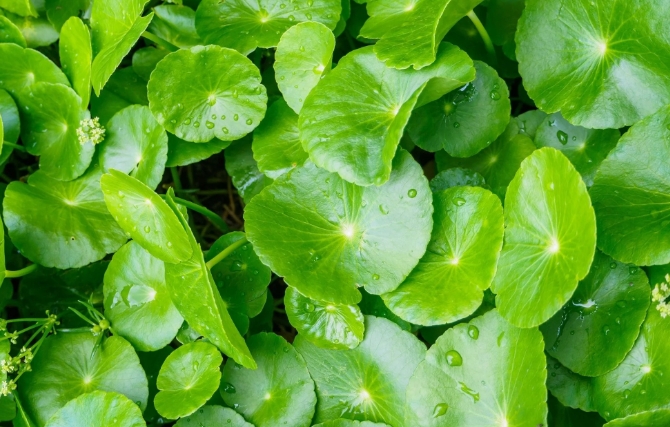
How to make centella asiatica extract?
Centella Asiatica Extract, with its excellent repairing, soothing, and antioxidant properties, is a star ingredient in the fields of skincare, pharmaceuticals, and dietary supplements.
Where does Centella Asiatica Extract come from?
Centella Asiatica, also known as Tiger Grass or Gotu Kola, is native to tropical and subtropical regions of Asia, and is widely cultivated in Yunnan, Guangxi, and Hainan provinces of China. The source of the raw material directly determines the quality of the extract – wild Centella Asiatica has significant fluctuations in active ingredients, while standardized cultivation provides more traceable raw materials.
Standards for high-quality raw materials include:
Pure variety: Selecting strains with high total triterpene content
Harvesting time: Generally harvested before flowering, when the content of asiaticoside and madecassoside is at its peak
Pesticide residue control: Prioritizing planting bases that meet the standards of the Chinese Pharmacopoeia or USP
As a buyer, it is recommended to require suppliers to provide origin certificates and pesticide residue test reports, which is the first step in assessing the reliability of the raw materials.
Solvent extraction vs. supercritical fluid extraction: Which process is more suitable for large-scale production?
Currently, industrial production mainly uses two process routes:
1. Solvent extraction (mainstream process)
This is the most mature and cost-effective process, usually using water or an ethanol-water mixed system as the solvent:
Water extraction: Low cost and high safety, but relatively low extraction efficiency
Alcohol extraction: The highest total triterpene extraction rate is achieved when the ethanol concentration is 60%-70%
Macroporous resin purification: A key step that removes impurities and enriches active ingredients
2. Supercritical CO₂ extraction
Although the equipment investment is high, it has unique advantages:
No solvent residue, conforming to the "Clean Beauty" trend of high-end cosmetics
Low-temperature operation protects heat-sensitive components
The extract has a lighter color and a purer scent
B2B purchasing advice: For conventional skincare product ingredients, the solvent method is sufficient; if targeting high-end cosmeceuticals or organic certified products, the supercritical extraction process offers more premium value.
What total glycoside content of Centella asiatica extract is considered high-quality?
Total triterpenes 10%-40%: Ordinary cosmetic grade
Asiaticoside + Madecassoside ≥ 90%: High-purity pharmaceutical grade
TECA (Total Centella Asiatica Glycosides) customized preparations: European Pharmacopoeia standard
The content detection method must be clearly defined – using HPLC-ELSD method to determine the content of monomeric glycosides is more accurate and reliable than simple UV spectrophotometry. It is recommended that the detection method and standard source be clearly specified in the procurement contract.
It is worth noting that the efficacy of Centella asiatica extract depends not only on the total glycoside content, but also on the ratio of the four main triterpenic acids (asiatic acid, madecassic acid, asiaticoside, and madecassoside). Clinical studies have shown that the best repair effect is achieved when the four components work synergistically.
How is Centella asiatica extract applied in end products?
Application Areas | Recommended Specifications | Efficacy Positioning
Repairing Skincare Products | Total Triterpenes 70%-90% | Promotes collagen synthesis, repairs skin barrier
Sensitive Skin Care | Hydroxyasiaticoside Monomer | Anti-inflammatory and soothing, reduces redness
Functional Foods | Food-grade Total Glycosides 40% | Improves microcirculation, cognitive health
Pharmaceutical Topical Preparations | European Pharmacopoeia TECA Standard | Wound healing, scar repair
Formulation Suggestions: Centella Asiatica extract works synergistically with ingredients such as ceramides, panthenol, and β-glucan. The formula pH is recommended to be controlled between 5.0-6.5 to maintain ingredient stability.
Recommended High-Quality Raw Material Supplier
If you are looking for a stable supply source of Centella Asiatica extract raw materials, Xi'an Sost Biotech Co., Ltd. is a partner worth considering.
As a professional manufacturer with many years of experience in the field of plant extraction, Sost Biotech possesses:
Standardized planting bases: Controlling raw material quality from the source
Advanced extraction technology: Dual capacity of solvent method and supercritical extraction
Complete quality control system: Equipped with precision testing equipment such as HPLC and GC, providing detailed COA for each batch
Customized services: Supporting different specifications (10%-95% total triterpenes) and different packaging needs
International compliance support: Possessing a complete certification system required for export
Contact Information
Email: info@sostherbusa.com
For business inquiries and sample requests, please contact us directly via email.
Whether you need standard products for formula development or are seeking a stable supply of tons of raw materials, a professional supplier can provide solid technical and quality support for your business decisions.
References
Chinese Pharmacopoeia 2020 Edition, Part I, Standard for Centella asiatica
Park, Y. G., et al. (2020). "Centella asiatica-derived extracellular vesicles restore tight junctions in skin." Journal of Extracellular Vesicles, 9(1), 1806550.
National Pharmacopoeia Commission. (2020). Research on the Quality Standard of Centella asiatica Extract
James, J. T., & Dubery, I. A. (2011). "Pentacyclic triterpenoids from the medicinal herb, Centella asiatica (L.) Urban." Molecules, 16(2), 1310-1333.
What is lotus leaf extract?
Lotus leaf extract is a natural plant ingredient extracted from the dried leaves of the lotus plant (Nelumbo nucifera), a member of the Nymphaeaceae family. As a traditional Chinese medicinal and edible material, lotus leaf has been documented in classic texts such as the *Compendium of Materia Medica*, and is believed to have effects such as clearing heat and relieving summer heat, promoting the upward movement of clear yang energy, and cooling the blood and stopping bleeding. Modern plant extraction technology concentrates and purifies the active ingredients in lotus leaves, resulting in standardized extracts, primarily containing nuciferine, which are widely used in functional foods, weight management products, and health supplements.
Modern lotus leaf extract is typically made from dried lotus leaves using scientific processes, with active ingredient content ranging from 2% to 98%. Nuciferine is the core active substance, belonging to the aporphine alkaloid class, and possesses unique physiological activity. With the rise of the global natural health product market, lotus leaf extract has become an important category in the plant extract industry, especially favored by consumers who prioritize natural and safe weight management.
How does nuciferine work?
As the main active ingredient in lotus leaf extract, nuciferine's mechanism of action primarily involves two aspects: regulating fat metabolism and suppressing appetite. Studies have shown that nuciferine can affect the body's lipid metabolism process through multiple pathways:
Inhibiting fat absorption: Nuciferine can bind to lipase in the intestines, reducing its activity and thus decreasing the absorption rate of dietary fat. This means that some of the ingested fat will be directly excreted from the body, reducing calorie intake.
Promoting fat breakdown: Nuciferine can activate hormone-sensitive lipase (HSL) in fat cells, accelerating the breakdown of triglycerides into free fatty acids and glycerol, promoting fat burning for energy.
Regulating blood lipid levels: Multiple studies have confirmed that nuciferine helps lower serum total cholesterol, triglycerides, and low-density lipoprotein cholesterol levels, while increasing high-density lipoprotein cholesterol, improving the blood lipid profile.
Central appetite suppression: Nuciferine can cross the blood-brain barrier and act on the feeding center in the hypothalamus, producing satiety signals and reducing food intake.
It is worth noting that the effects of nuciferine are relatively mild, unlike the strong stimulation of chemical weight-loss drugs, therefore it is safer and suitable for long-term use.
How is Lotus Leaf Extract Made?
Raw Material Selection and Processing: High-quality lotus leaf extract begins with high-quality raw materials. Dried lotus leaves free of pesticide residues and heavy metals are selected and undergo pre-processing such as cleaning, drying, and pulverizing to ensure cleanliness and appropriate particle size.
Extraction Process: Current mainstream extraction methods include water extraction, alcohol extraction, and supercritical CO₂ extraction. Water extraction is low-cost but results in more impurities; alcohol extraction (usually using ethanol) has high extraction efficiency and can fully dissolve lipid-soluble components such as nuciferine; supercritical CO₂ extraction technology can extract at low temperatures, preserving more heat-sensitive active ingredients and leaving no solvent residue.
Concentration and Purification: The extract is concentrated under reduced pressure to remove the solvent, and then separated and purified using techniques such as macroporous resin adsorption and column chromatography to increase the content of effective components such as nuciferine.
Drying and Standardization: The extract is made into a powder using spray drying or vacuum freeze-drying technology, and the specifications are adjusted according to customer needs, such as different content standards of nuciferine at 2%, 10%, 20%, and 98%.
Quality Control: Reputable manufacturers perform HPLC (High-Performance Liquid Chromatography) testing on each batch of product to ensure that the nuciferine content meets the standards, and also test for heavy metals, microorganisms, and pesticide residues.
What are the core benefits of Lotus Leaf Extract?
Weight Management and Fat Reduction: This is the most widely recognized benefit. Through multiple mechanisms including inhibiting fat absorption, promoting metabolism, and controlling appetite, lotus leaf extract has become an important raw material for natural weight loss products. Clinical observations show that, combined with a reasonable diet and exercise, lotus leaf extract can help reduce body fat accumulation, especially improving abdominal fat accumulation.
Blood Sugar Regulation: Studies show that the flavonoid compounds and polysaccharides in lotus leaf extract can improve insulin sensitivity and delay the absorption of glucose in the intestines, helping to control postprandial blood sugar, and having auxiliary conditioning value for people with prediabetes.
Cardiovascular Protection: By lowering blood lipids, providing antioxidant effects, and improving vascular endothelial function, lotus leaf extract helps maintain cardiovascular health and reduce the risk of atherosclerosis. Antioxidant and Anti-aging Properties: Lotus leaf is rich in polyphenols, possessing strong free radical scavenging capabilities, which can reduce oxidative stress damage and delay cell aging.
Heat-clearing and Diuretic Effects: Traditionally, lotus leaf extract retains the heat-clearing properties of fresh lotus leaves, making it suitable for relieving summer heat, and also has certain diuretic and anti-swelling effects.
How to Choose and Use Lotus Leaf Extract Correctly?
When faced with various lotus leaf extract products on the market, consumers and buyers should pay attention to the following key points:
Check the standardized content: High-quality products should clearly indicate the nuciferine content. Common specifications include 2%, 10%, 20%, 50%, and 98%. Higher content usually indicates a more refined extraction process and more pronounced effects.
Consider the extraction solvent and process: Water extracts are less expensive but have more complex components; alcohol extracts have more concentrated active ingredients; supercritical fluid extracts are of the highest quality but also more expensive. Choose the appropriate type based on the application.
Complete testing certificates: Reputable suppliers should provide third-party testing reports, including active ingredient content, heavy metals, pesticide residues, and other safety indicators.
Suggested combinations: Lotus leaf extract is often combined with cassia seed, hawthorn, Poria cocos, Alisma orientalis, and other ingredients that promote diuresis and eliminate dampness and indigestion, enhancing synergistic effects; it can also be combined with green tea extract, L-carnitine, etc., for use in sports nutrition products.
Recommended Supplier of High-Quality Lotus Leaf Extract Raw Materials
If you are looking for a reliable supplier of lotus leaf extract raw materials, Xi'an Sost Biotech Co., Ltd. is a trustworthy and professional choice.
As a high-tech enterprise deeply rooted in the plant extract industry for many years, Sost Biotech focuses on the research and development and production of natural active ingredients such as lotus leaf extract and nuciferine. The company has a complete quality control system and is equipped with advanced testing equipment such as HPLC and UV. It can provide standardized extracts of nuciferine in various specifications from 2% to 98%, meeting the needs of different applications. From raw material sourcing to extraction process optimization and finished product testing, the entire process strictly adheres to GMP standards, ensuring product purity, stability, and safety.
The company's products are widely used in functional foods, dietary supplements, weight management products, and other fields, and support customized formula development and small-batch sample services. We provide comprehensive technical support and compliance documentation for both domestic procurement and export businesses.
Contact Information:
Email: ericyang@xasost.com
Choosing a professional raw material supplier is the first step in ensuring the quality of your end products. Xi'an Sost Biotech Co., Ltd. looks forward to cooperating with you to jointly promote the high-quality development of the natural health industry.
References:
Ono Y, et al. Anti-obesity effect of Nelumbo nucifera leaves extract in mice and rats. Journal of Ethnopharmacology. 2006;106(2):238-244.
Chinese Pharmacopoeia 2020 Edition, Part I, Nelumbo nucifera section.
Wang Jianhua, et al. Experimental study on the lipid-lowering and weight-reducing effects of Nelumbo nucifera alkaloids. Chinese Journal of Traditional Chinese Medicine, 2001, 26(10): 685-688.
Yang J, et al. Nuciferine improves insulin sensitivity via regulating the IRS1/PI3K/Akt pathway in high-fat diet-induced insulin-resistant mice. Frontiers in Pharmacology, 2021.
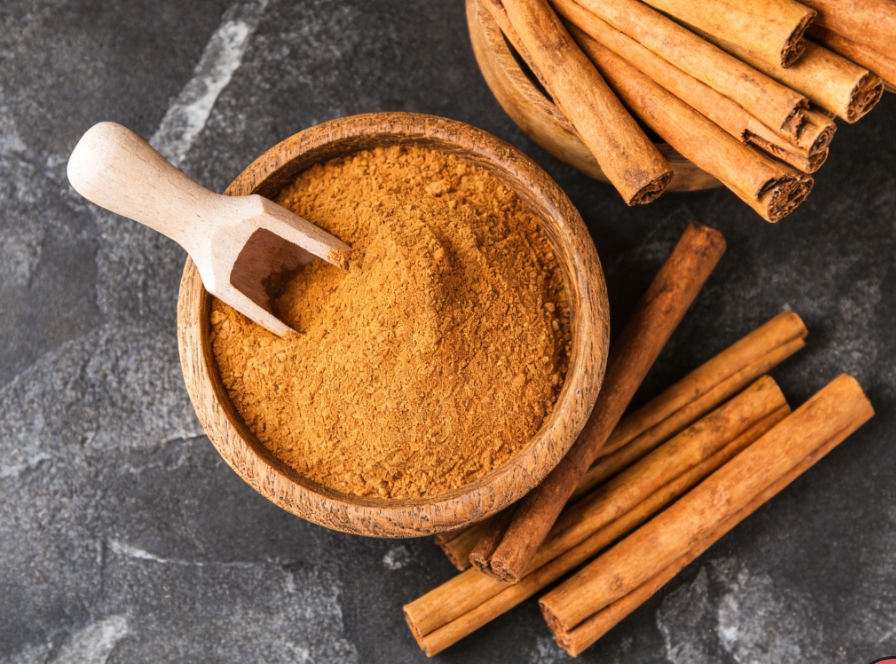
How to Make Cinnamon Extract?
Cinnamon, an ancient spice and medicinal plant, is widely favored in the food, health supplement, and cosmetics industries due to its rich active ingredients (such as cinnamaldehyde and polyphenolic compounds). This article will answer common questions about cinnamon extract production from multiple perspectives, helping you master the core technical points.
What are the main methods for producing cinnamon extract?
The preparation of cinnamon extract mainly falls into three categories: solvent extraction, steam distillation, and supercritical CO₂ extraction.
Solvent extraction is the most common industrial method, usually using ethanol, methanol, or water as the solvent. The process includes: grinding dried cinnamon bark into a coarse powder (40-60 mesh), adding a 50%-70% ethanol solution at a ratio of 1:10-1:20 (material to solvent ratio), refluxing and extracting at 50-70°C for 2-3 hours, filtering, and then concentrating and drying to obtain an extract or powder. This method has a high yield and effectively extracts lipid-soluble components such as cinnamaldehyde.
Steam distillation is mainly used to extract cinnamon essential oil. The cinnamon raw material is placed in a distillation flask, and steam is introduced to distill the volatile components with the steam. After condensation in a condenser, the essential oil is separated. This method produces high-purity cinnamon oil with a strong aroma, but it cannot extract water-soluble polyphenolic substances.
Supercritical CO₂ extraction, as an emerging technology, uses supercritical carbon dioxide as the extraction medium to extract active ingredients under low temperature and high pressure conditions. This method has no solvent residue and can preserve active ingredients to the greatest extent, but the equipment investment cost is higher.
What are the differences in efficacy between water extraction and ethanol extraction methods?
Different extraction methods directly determine the active ingredient profile and efficacy focus of the final product.
Water extraction (decoction) has the advantage of extracting water-soluble active substances in cinnamon, such as polysaccharides and proanthocyanidins. These components have significant effects on lowering blood sugar and improving insulin resistance. Research has found that water-extracted cinnamon polyphenols show outstanding antioxidant properties and are suitable for developing functional hypoglycemic products. However, water extracts usually contain more impurities and have a relatively shorter shelf life.
Ethanol extraction, on the other hand, is effective in extracting cinnamaldehyde, the main source of cinnamon's characteristic aroma, which also possesses strong antibacterial and anti-inflammatory activity. Ethanol extracts can contain 10%-30% cinnamaldehyde and are widely used in food preservation and respiratory health products. High-concentration ethanol (70%-95%) extracts more lipid-soluble components, making it suitable for health supplement formulations such as softgels.
In short: water extracts are more suitable for blood sugar management products, while alcohol extracts are more suitable for antibacterial, anti-inflammatory, and flavoring applications.
What are the essential differences between homemade and industrially produced cinnamon extracts?
Many enthusiasts attempt to make cinnamon extracts at home, but there are significant differences compared to industrial products.
Homemade methods typically use a simple maceration method: cinnamon sticks are crushed and soaked in vodka or white spirits (40%-60% alcohol), sealed and stored away from light for 2-4 weeks, with regular shaking to accelerate dissolution. This method is simple in terms of equipment, but it suffers from low extraction efficiency (only 30%-40% of effective components are obtained), unstable component concentration, and a high risk of microbial contamination. Homemade extracts are suitable for cooking and flavoring, but not recommended for health purposes.
Industrial production, however, strictly controls every step: raw materials undergo pesticide residue and heavy metal testing; countercurrent continuous extraction equipment is used to improve efficiency; impurities are removed through membrane filtration and chromatography purification; and finally, standardized extracts are produced through spray drying or vacuum concentration (usually labeled with cinnamaldehyde content ≥10% or polyphenols ≥30%). Industrial products have advantages such as good batch stability, clearly quantified active ingredients, and traceable quality.
How to judge the quality of cinnamon extract?
Assessing the quality of cinnamon extract requires evaluation from three dimensions: sensory indicators, physicochemical indicators, and safety indicators.
Sensory-wise, high-quality alcohol extracts are reddish-brown to brownish powder with a strong cinnamon aroma and no moldy or off-odors; water extracts are lighter in color, ranging from light yellow to yellowish-brown. If the product is black or has a pungent chemical smell, it may indicate excessive oxidation or excessive solvent residue. In terms of physicochemical indicators, attention should be paid to cinnamaldehyde content and polyphenol content. High-quality extracts typically have a cinnamaldehyde content of ≥10% and total polyphenols ≥30% (measured by UV method). HPLC (High-Performance Liquid Chromatography) testing can confirm the purity and authenticity of the ingredients, preventing adulteration.
Safety indicators cannot be ignored. Legitimate products should provide third-party testing reports to ensure lead ≤2mg/kg, arsenic ≤1mg/kg, aflatoxin B1 ≤5μg/kg, and pesticide residues comply with international standards (such as USP, EP, or the Chinese Pharmacopoeia).
Does the origin of cinnamon raw materials affect the extraction effect?
Cinnamon is mainly divided into two categories: Chinese cinnamon (Cinnamomum cassia) and Ceylon cinnamon (Cinnamomum verum, true cinnamon).
Chinese cinnamon (mainly produced in Guangxi, Guangdong, and Yunnan) has thick bark and high oil content (8%-12%), with cinnamaldehyde content usually as high as 70%-85%. It has high extraction efficiency and relatively low cost, making it the mainstream raw material for health products and seasonings. Its extract has strong antibacterial activity, but it has a higher coumarin content (about 0.9%), so long-term large-scale consumption requires attention to safety.
Ceylon cinnamon (mainly produced in Sri Lanka) has thin, light brown bark and lower cinnamaldehyde content (about 60%-70%), but extremely low coumarin content (<0.04%), making it more suitable for long-term health use. Its flavor is delicate and sweet, and it is often used in high-end food and cosmetics.
Therefore, when choosing extraction raw materials, it is necessary to consider the positioning of the final product: choose Chinese cinnamon for cost-effectiveness and strong antibacterial effects; choose Ceylon cinnamon for safety and high-end quality.
Looking for a reliable supplier of cinnamon extract raw materials?
If you are looking for high-purity, standardized cinnamon extract raw materials for dietary supplements, functional foods, or cosmetics production, we recommend contacting Xi'an Sost Biotech Co., Ltd., a professional plant extract manufacturer. As a high-tech enterprise specializing in the research, development, and production of plant extracts, Xi'an Sost provides various specifications of cinnamon extract (cinnamaldehyde 10%-30%, cinnamon polyphenols 10%-30%, proanthocyanidins, etc.), supporting customized formulations and OEM/ODM services. We possess a complete quality certification system (ISO, HACCP, HALAL, etc.), ensuring a stable supply of raw materials and superior quality.
Contact Information:
Email: ericyang@xasost.com
By collaborating with professional suppliers, you can obtain comprehensive technical support throughout the entire chain, from raw material traceability and production processes to quality testing, ensuring your products stand out in the highly competitive market.
References:
Chinese Pharmacopoeia 2020 Edition, Part I
Shan et al. (2007). "Cinnamaldehyde and cinnamaldehyde-containing microparticles: Food applications and health benefits." Trends in Food Science & Technology.
Gruenwald et al. (2010). "Cinnamon and health: A review of the evidence." Critical Reviews in Food Science and Nutrition.
National Food Safety Standard GB/T National Food Safety Standard Cinnamon Extract.
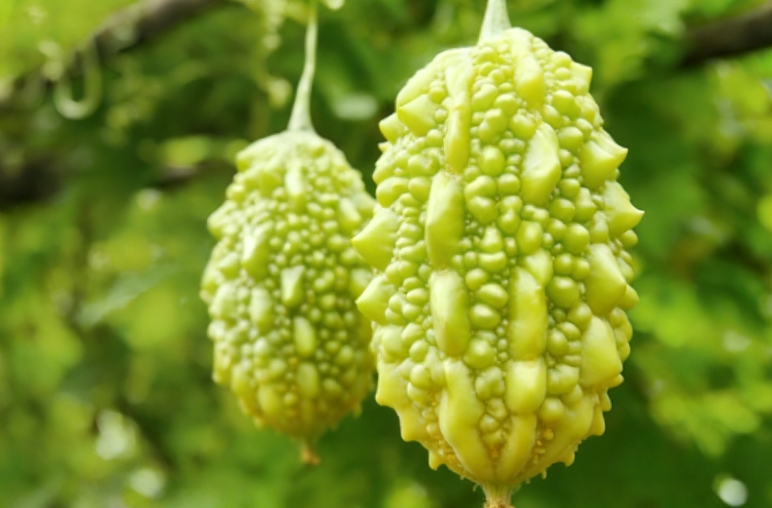
What are the uses of bitter melon extract?
Bitter melon extract is a natural plant active ingredient extracted from the fruit of the bitter melon, rich in charantin, polypeptide-P, and various other bioactive components. With the rapid development of the global health industry, bitter melon extract has attracted widespread attention in the fields of functional foods, dietary supplements, and cosmetics due to its unique health benefits.
Can bitter melon extract help lower blood sugar?
This is one of the most well-known functions of bitter melon extract. The polypeptide-P contained in bitter melon has a mechanism of action similar to insulin, which can help regulate blood sugar levels. In addition, charantin, as an active alkaloid, can promote glucose metabolism and inhibit the absorption of sugar in the intestines. Numerous studies have shown that bitter melon extract supports healthy blood sugar metabolism by activating the AMPK signaling pathway and enhancing the cell's ability to take up glucose. Therefore, bitter melon extract is often used in the development of dietary supplements for blood sugar management, becoming a natural option for auxiliary treatment for diabetic patients.
Is bitter melon extract useful for weight loss?
Weight management is a focus for many modern people, and bitter melon extract shows significant potential in this area. Its active ingredients can promote fat metabolism and inhibit the generation of fat cells. Charantin, as a natural fat-burning agent, can accelerate the burning of excess fat in the body. At the same time, bitter melon extract can regulate appetite-related hormones, increase satiety, and reduce overeating. For people who want to control their weight, bitter melon extract can be used as an important ingredient in nutritional supplements, supporting healthy weight loss goals when combined with a reasonable diet and exercise.
Can bitter melon extract provide antioxidant benefits?
Oxidative stress is a major factor contributing to aging and various chronic diseases. Bitter melon extract is rich in flavonoids and polyphenols, which have powerful free radical scavenging capabilities. Its antioxidant mechanism mainly works by activating the Nrf2/ARE signaling pathway, enhancing the cell's own antioxidant defense system. Long-term supplementation with bitter melon extract helps reduce oxidative damage, protect vascular endothelial cells, and maintain cardiovascular health. In addition, its anti-inflammatory properties can inhibit the release of inflammatory factors, which is beneficial for the prevention of chronic inflammation-related diseases.
How does bitter melon extract support skin health?
In addition to its internal benefits, bitter melon extract also performs well in the field of skin care. Its antibacterial properties effectively inhibit the growth of *Propionibacterium acnes*, reducing acne breakouts. Simultaneously, the vitamin C and antioxidants in bitter melon extract inhibit melanin production, brightening skin tone and fading dark spots. For oily skin, bitter melon extract can also regulate sebum secretion, shrink pores, and improve skin texture. Therefore, bitter melon extract is widely used in cosmetics such as face masks and serums, becoming an important ingredient in natural skincare formulations.
What application forms are suitable for bitter melon extract?
Bitter melon extract can be used in various forms, depending on different needs. In candies, tablets, and softgels, bitter melon extract can be used as a core functional ingredient; in beverages and meal replacement powders, it provides added health benefits; in skincare products, bitter melon extract can be used in powder or solution form. It's worth noting that different specifications (such as 10% bitter melon glycosides, 20% bitter melon glycosides) are suitable for different product forms. Manufacturers should choose the appropriate specification and dosage form based on the desired efficacy.
Recommended Professional Bitter Melon Extract Raw Material Supplier
Xi'an Sost Biotech Co., Ltd is your trustworthy partner. As a professional plant extract manufacturer, we offer a variety of bitter melon extract products in different specifications, including standardized bitter melon glycosides with varying concentrations. We strictly adhere to international quality control standards, ensuring product purity and activity.
We possess advanced extraction equipment and a comprehensive testing system, providing customized formulation solutions and stability technical support to our clients. Whether you need food-grade or cosmetic-grade bitter melon extract, we can meet your production needs.
Contact Information:
Email: ericyang@xasost.com
Welcome to inquire about detailed specifications, COA, and sample requests for bitter melon extract. We look forward to establishing a long-term cooperative relationship with you!
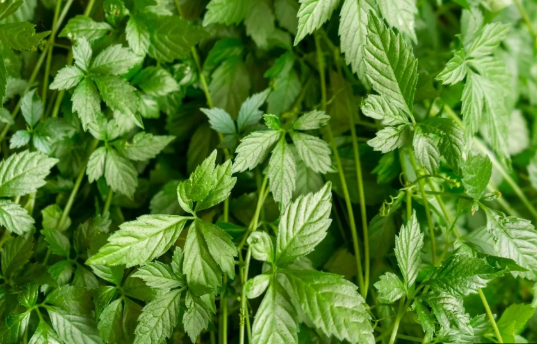
What is gynostemma pentaphyllum extract?
Gynostemma pentaphyllum extract is a standardized plant extract derived from the dried whole plant of Gynostemma pentaphyllum (Thunb.) Makino, a plant belonging to the Cucurbitaceae family.
As a representative plant with both medicinal and edible uses, Gynostemma pentaphyllum was first recorded in the "Jiu Huang Ben Cao" (Famine Relief Materia Medica) of the Ming Dynasty, initially used as a famine food, and later discovered to have significant medicinal value. In 1986, the State Science and Technology Commission listed it as a valuable traditional Chinese medicine to be developed in the "Spark Program"; in 2002, the Ministry of Health officially included it in the list of raw materials for health foods.
Modern extraction processes typically use water or alcohol extraction methods to concentrate and extract the active ingredients from the whole Gynostemma pentaphyllum plant, producing a standardized powder product. Depending on the saponin content, common specifications on the market include total gynostemma saponins at 10%, 40%, 80%, 90%, and even 98% high-purity products. It appears as a light yellow to brownish-yellow powder with a characteristic odor and can be widely used in various dosage forms such as health foods, functional beverages, tablets, and capsules.
What are the unique characteristics of the core components of Gynostemma pentaphyllum extract?
The pharmacological activity of Gynostemma pentaphyllum extract mainly stems from its rich chemical composition, the most crucial of which are gynostemma saponins (Gypenosides), also known in the industry as "total gynostemma saponins." Scientific research has shown that researchers have isolated and identified more than 80 saponin components from Gynostemma pentaphyllum, six of which have the same chemical structure as ginseng saponins (Rb1, Rb3, Rd, F2, etc.). This explains why Gynostemma pentaphyllum has similar tonic effects to ginseng but with a milder nature. Besides saponin compounds, Gynostemma pentaphyllum extract also contains the following important active ingredients:
Flavonoids: including quercetin and kaempferol, which possess powerful antioxidant capabilities.
Polysaccharides: which can activate macrophages and enhance the body's non-specific immune response.
Amino acids and trace elements: containing various essential amino acids and minerals such as zinc, selenium, and iron.
Sterols: plant sterols help regulate lipid metabolism.
It is particularly noteworthy that the molecular formula of Gynostemma pentaphyllum saponin is C₈₀H₁₂₆O₄₄ (based on Gynostemma pentaphyllum saponin A), with a molecular weight of 1791.83, belonging to tetracyclic triterpenoid saponins. It is these structurally complex saponin components that give Gynostemma pentaphyllum its reputation as a "vascular scavenger," making it a core ingredient in modern cardiovascular health formulations.
What are the positive effects of Gynostemma pentaphyllum extract on the human body? Are there any potential side effects?
1. Regulating blood lipid metabolism and maintaining cardiovascular health
Gynostemma pentaphyllum saponins are known as "vascular scavengers." By inhibiting cholesterol synthesis enzyme activity and promoting lipid metabolism, they can significantly lower serum total cholesterol, triglycerides, and low-density lipoprotein (LDL) levels, while increasing high-density lipoprotein (HDL). Clinical data shows that continuous use of preparations containing Gynostemma pentaphyllum extract for 8 weeks can improve various indicators in patients with dyslipidemia by approximately 30%, effectively preventing atherosclerosis.
2. Assisting in blood sugar regulation and improving insulin resistance
Studies have shown that Gynostemma pentaphyllum extract can have a positive impact on patients with type II diabetes through mechanisms such as improving insulin sensitivity and promoting glucose metabolism. Although it cannot replace drug treatment, as an auxiliary measure, it helps maintain stable blood sugar levels.
3. Protecting the liver and promoting liver cell repair
For people who drink alcohol frequently, stay up late, or need to take medication for a long time, Gynostemma pentaphyllum extract shows significant liver protection effects. Its saponins, flavonoids, and polysaccharides can reduce chemical and alcoholic liver damage and enhance liver detoxification function.
4. Enhancing Immunity and Antioxidant Effects
Gynostemma pentaphyllum polysaccharides can activate macrophage function and enhance the body's non-specific immune function; at the same time, its ability to scavenge free radicals is 1.8 times that of vitamin E, which helps delay cell aging and reduce the risk of chronic diseases.
5. Anti-fatigue and Improved Exercise Endurance
Athlete experiments have shown that taking preparations containing 200mg of Gynostemma pentaphyllum extract can extend endurance exercise time by up to 25%, while reducing lactic acid accumulation and accelerating physical recovery.
Potential Side Effects and Contraindications
Although Gynostemma pentaphyllum extract is considered "almost non-toxic and without side effects," the following situations should still be noted in practical applications:
Gastrointestinal reactions: Some sensitive individuals may experience nausea, mild diarrhea, or abdominal discomfort. It is recommended to start with a small dose.
Allergic reactions: A very small number of people may experience allergic symptoms such as rashes and itching. If this occurs, discontinue use immediately.
Drug interactions: Concurrent use with anticoagulants, antihypertensive drugs, and hypoglycemic drugs may enhance their effects. A 4-hour interval is recommended, and use should be under the guidance of a doctor.
Contraindications for special populations: Not for use by pregnant or breastfeeding women; use with caution in individuals with spleen and stomach deficiency and chronic diarrhea; patients with autoimmune diseases should follow medical advice.
What are the applications of Gynostemma pentaphyllum extract supplements in the modern health industry?
1. Cardiovascular Health Formulas
As a core ingredient for regulating blood lipids and softening blood vessels, Gynostemma pentaphyllum extract is often combined with ingredients such as red yeast rice, nattokinase, and fish oil to develop soft capsules and tablets for cardiovascular health in middle-aged and elderly people.
2. Metabolic Regulation and Weight Management
Gynostemma pentaphyllum is among the top 20 most frequently used ingredients in weight-loss health foods. It is often combined with ingredients such as lotus leaf, cassia seed, and L-carnitine to achieve the effect of assisting weight loss by regulating lipid metabolism and inhibiting fat absorption.
3. Liver Protection and Hangover Relief Products
In liver protection tablets developed for business professionals, Gynostemma pentaphyllum extract is combined with silymarin, kudzu root extract, etc., to form a compound formula for hangover relief and liver protection.
4. Immunomodulatory and Anti-Fatigue Preparations
In oral liquid and powder products for sub-healthy individuals, athletes, and those engaged in high-intensity work, Gynostemma pentaphyllum acts as an adaptogen, helping the body cope with various stresses and enhancing overall vitality.
5. Functional Teas and Food & Beverages
Gynostemma pentaphyllum extract can be added to tea bags, solid beverages, and compressed candies to meet consumers' convenient daily health and wellness needs.
In terms of dosage forms, Gynostemma pentaphyllum extract can be processed into various forms such as hard capsules, soft capsules, tablets, granules, and oral liquids. For B2B buyers, choosing the appropriate product specifications is crucial: general health purposes may require specifications with 40%-80% total saponins, while high-end products with specific efficacy claims may require high-purity extracts of over 90%.
How to purchase high-quality Gynostemma pentaphyllum extract raw materials?
High-quality raw materials should meet the following standards:
Standardized content: Clearly labeled total saponin content of Gynostemma pentaphyllum (HPLC or UV detection) to ensure batch-to-batch consistency.
Complete qualifications: Possessing SC production license, ISO quality management system certification, HALAL certification, and KOSHER certification.
Traceability system: Raw materials come from standardized planting bases, free from pesticide residues and heavy metal contamination risks.
Technical support: Ability to provide formulation application suggestions, stability test data, and compliance document support.
Why choose Xi'an Sost Biotech as your Gynostemma pentaphyllum extract supplier?
Xi'an Sost Biotech Co., Ltd. is a high-tech enterprise specializing in the research, development, production, and export of standardized plant extracts. We support customized formula development, packaging design, and label compliance consulting.
Business Inquiry Email: ericyang@xasost.com
What is nervonic acid?
Nervonic acid, scientifically known as cis-15-Tetracosenic Acid, is a monounsaturated very long-chain fatty acid with the chemical formula C24H46O2. It was first isolated in 1925 by scientist Klenk from cerebrosides in human and bovine brains, and later extracted from shark oil in 1926, hence its former name "shark oil acid."
As a naturally occurring substance in nervous tissue, nervonic acid is a core component of brain nerve cells and nervous tissue, especially abundant in white matter. British scholar A.J. Sinclair proposed in 1972 that the brain is composed of white and gray matter, with DHA (docosahexaenoic acid) being a typical gray matter fatty acid, while nervonic acid is a typical white matter fatty acid. The health of white matter is directly related to the efficiency of nerve signal transmission, and nervonic acid is a core raw material for myelin synthesis. Myelin acts like an "insulating layer" surrounding nerve fibers; if damaged, it can lead to impaired nerve signal transmission, resulting in cognitive decline, motor dysfunction, and other problems.
What are the important roles of nervonic acid in brain health?
Nervonic acid has attracted considerable attention primarily due to its multiple benefits for the brain and nervous system. First, it promotes the repair and regeneration of damaged nervous tissue. Whether the nerve damage is caused by stroke, traumatic brain injury, or neurodegenerative diseases, nervonic acid can stimulate the proliferation and differentiation of neural stem cells, helping to repair damaged nerve fibers and restore nerve conduction function.
Secondly, nervonic acid helps to slow down brain aging. As we age, the body's ability to synthesize nervonic acid gradually declines, becoming significantly reduced after the age of 30, and possibly only one-quarter of that of young people by the age of 60. This is closely related to memory loss and cognitive decline. Supplementing with nervonic acid can improve brain metabolism, enhance the activity of nerve cells, and improve the efficiency of brain electrical activity, thus to some extent preventing diseases such as Alzheimer's disease and Parkinson's disease.
Furthermore, nervonic acid can increase the speed of signal transmission between nerve cells, enhancing brain cognitive function, memory, and learning ability. For individuals engaged in long-term, high-intensity mental work, students preparing for exams, or middle-aged and elderly people experiencing memory decline, scientifically supplementing nervonic acid is beneficial. It's worth noting that nervonic acid can naturally penetrate the blood-brain barrier, directly providing nutritional support to the brain, something many other nutrients cannot do.
What are the sources of nervonic acid? Why has plant extraction become the mainstream method?
Initially, the main sources of nervonic acid were shark brain tissue and fish oil. However, due to international fishing bans and the need for ecological protection, shark-derived sources have been withdrawn from commercial use. Now, scientists have turned their attention to plant resources. Chinese scientists have discovered that some plant seeds also contain nervonic acid, the most representative of which is the seed of the Acer truncatum tree.
Acer truncatum is a tree species unique to my country, and its seeds are rich in oil, with a nervonic acid content of 5%-7%. In 2011, the National Health Commission officially approved Acer truncatum seed oil as a new resource food, opening the way for the industrialization of plant-derived nervonic acid. In addition, rapeseed oil and Xanthoceras sorbifolia oil also contain a certain amount of nervonic acid, but Acer truncatum seed oil, due to its stability and high nervonic acid content, has become one of the most important natural sources.
Through modern bioengineering technology, high-purity nervonic acid can be extracted from these plant oils. For example, using advanced processes such as molecular distillation and urea inclusion, the purity of nervonic acid can be increased to over 90%, far exceeding the content in directly consumed plant oils. This makes the application of nervonic acid in health products, functional foods, and pharmaceuticals possible.
How to scientifically select and identify nervonic acid products?
First, pay attention to the compliance and safety of the product. Legitimate nervonic acid products should have certifications from relevant national departments, such as the "Blue Hat" mark, indicating that they have undergone rigorous safety and efficacy assessments.
Secondly, check the nervonic acid content and raw material source of the product. Some products may simply be ordinary plant oils with low nervonic acid content, while high-purity nervonic acid products are usually in powder or tablet form, with higher content and better absorption. Furthermore, be wary of products that confuse concepts, such as mixing DHA, EPA, or phosphatidylserine with nervonic acid. Consumers should carefully read product labels and identify the active ingredients.
Is nervonic acid supplementation suitable for everyone? Although nervonic acid is beneficial for brain health, it's not suitable for everyone to supplement it indiscriminately. Special populations such as pregnant women, breastfeeding mothers, and infants should use it under the guidance of a doctor. Furthermore, individuals allergic to nervonic acid and those taking antihypertensive medications should exercise caution to avoid potential adverse reactions or drug interactions. Excessive intake of nervonic acid may also cause discomfort such as diarrhea and nausea; therefore, following recommended dosages and supplementing scientifically is crucial.
Who is a reliable supplier of nervonic acid raw materials?
In the industrialization process of nervonic acid, choosing a supplier with advanced technology and reliable quality is essential. Xi'an Sost Biotech is such a high-tech enterprise specializing in the research and development and production of natural plant active ingredients. Located in the Xi'an High-tech Industrial Development Zone, the company leverages the abundant local plant resources and scientific research advantages to provide high-quality natural extracts to the global health food, functional food, and cosmetics industries.
The company's flagship nervonic acid product is mainly extracted from maple seeds, using advanced extraction and purification processes to ensure high purity and high activity. Whether for developing new brain health products or as a raw material for functional foods, Xi'an Sost Biotech can provide stable, safe, and efficient nervonic acid products. If you have any related needs, please contact us via email at ericyang@xasost.com. We will wholeheartedly provide you with professional product consultation and technical support to jointly promote the development of brain health.
In summary, nervonic acid, as a key nutrient for brain health, is being recognized by more and more people. Scientific understanding and rational selection will help us better protect our brains and improve our quality of life.
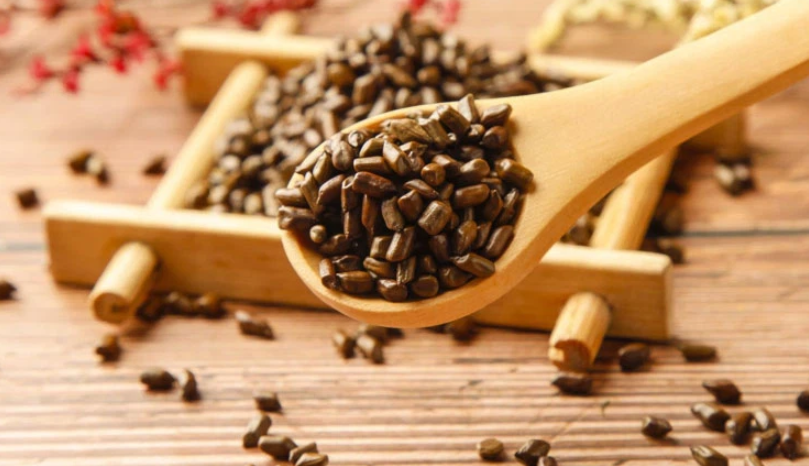
What is cassia seed extract?
What are the core components of Cassia seed extract?
Cassia seed extract is not a single substance, but a complex system composed of multiple active ingredients.
Anthraquinone compounds: The "cleaners" of intestinal health. This is the most well-known and extensively studied class of compounds in Cassia seeds. It includes emodin, chrysophanol, and rhein. These components give Cassia seeds their significant laxative effect, stimulating intestinal peristalsis and softening stool, making them a natural remedy for common constipation problems in modern people. These components are also the main source of its antibacterial and anti-inflammatory effects.
Naphthopyrone compounds: The "guardians" of vision. This class of compounds, such as cassiaside and obtusifolin, is the material basis for the "eye-brightening" effect of Cassia seeds. They have antioxidant properties, helping to protect the retina and reduce damage to eye cells from free radicals. They have a positive effect on relieving eye fatigue and dryness caused by prolonged use of electronic screens.
Polysaccharides: The "regulators" of the immune system. Plant polysaccharides have received much attention in recent years, and the polysaccharides in Cassia seeds are no exception. They have various potential biological activities, including immune regulation, blood sugar lowering, and anti-tumor effects, providing possibilities for the application of Cassia seeds in a wider range of fields.
Other nutritional components: In addition, Cassia seeds are rich in amino acids, vitamins, and trace elements. These "supporting actors" work synergistically with the "main characters" mentioned above to constitute the powerful comprehensive effects of Cassia seed extract.
What are the positive effects and side effects of Cassia seeds?
Having understood its "core," let's delve deeper into what Cassia seed extract can bring us in practical applications. Its positive effects are multifaceted, but as responsible science communicators, we must also acknowledge its potential side effects.
Positive effects of Cassia seed extract:
Clearing liver heat and improving vision, relieving eye fatigue: In the digital age, blue light radiation from electronic screens and prolonged screen time are common problems. Cassia seed extract can help clear liver heat, improving eye redness, swelling, pain, photophobia, and tearing caused by excessive liver heat, as well as blurred vision and dry eyes caused by prolonged screen use. It is not only a good eye care remedy for middle-aged and elderly people but is also gradually becoming an eye care essential for young people who spend a lot of time on their phones. Moisturizes the intestines and improves bowel health: For constipation caused by irregular diet and lack of exercise, Cassia obtusifolia seed extract is a gentle and effective solution. It increases intestinal motility, promotes waste elimination, and helps the body "travel light."
Assists in lowering lipids and blood pressure, protecting cardiovascular health: Studies show that Cassia obtusifolia seed extract can help lower serum cholesterol and triglyceride levels, inhibit the formation of atherosclerotic plaques, and also has a certain blood pressure-lowering effect. This is of great significance in preventing and assisting in the treatment of modern "diseases of affluence" such as hypertension and hyperlipidemia.
Protects the liver and combats chemical damage: It can lower triglyceride levels in the liver, inhibit fat deposition in the liver, and has a certain protective effect against liver damage caused by alcohol and other substances.
Potential Side Effects of Cassia Obtusifolia Seed Extract
Gastrointestinal irritation: Due to its rich content of anthraquinone laxative components, excessive consumption may cause discomfort such as nausea, diarrhea, and bloating. Those with weak spleen and stomach should be especially careful.
Risk of hypotension: Its blood pressure-lowering effect is beneficial for hypertensive patients, but for people with normal or low blood pressure, it may cause dizziness and other discomforts.
Reproductive system effects: Long-term, high-dose use, especially for women, may lead to stagnation of qi and blood due to its cold nature, causing menstrual disorders and other problems. Pregnant women and women planning to conceive should avoid using it.
Potential carcinogenic risk: Long-term, high-dose intake of anthraquinone compounds may increase the risk of intestinal lesions. Therefore, it is crucial to follow the recommended dosage and avoid long-term continuous use.
Cassia Obtusifolia Seed Extract for Skin?
You may never have thought that the Cassia obtusifolia tea you drink to clear heat and reduce inflammation could also become a "new favorite" in the skincare industry. In the International Nomenclature of Cosmetic Ingredients (INCI), it is called "Cassia Obtusifolia Seed Extract," and it is increasingly appearing in the ingredient lists of various skincare products.
Cassia obtusifolia seed extract for skin
Powerful antioxidant capacity: One of the main culprits of skin aging is oxidative stress. Cassia seed extract is rich in polysaccharides and flavonoids, which are excellent antioxidants that effectively scavenge free radicals in the skin, slow down the aging process of cells, and help maintain skin elasticity and radiance.
Soothing and Calming, Anti-inflammatory: For sensitive skin or skin troubled by acne, redness, etc., the anti-inflammatory and antibacterial properties of cassia seed extract can play an important role. It helps soothe irritated skin, reduce redness and inflammatory reactions, and restore the skin to a calm and healthy state.
Whitening and Brightening Skin Tone: Some studies have shown that cassia seed extract may interfere with melanin production by inhibiting tyrosinase activity, thus achieving a certain whitening and spot-reducing effect. At the same time, its effect of promoting microcirculation also helps improve dull skin tone, making the skin look more translucent and radiant.
Purchasing Suggestions and Partner Recommendations
If you are an R&D or purchasing professional in the food, health product, or cosmetics industry and are looking for high-quality cassia seed extract raw materials, choosing a reliable supplier is crucial. In Xi'an, the "capital of plant extracts," many excellent biotechnology companies are located here, possessing mature extraction processes, strict quality control systems, and strong R&D capabilities.
When choosing a supplier, it is recommended that you focus on the following aspects:
1. Qualifications and Certifications: Check whether the company has relevant certifications such as ISO, HALAL, KOSHER, and whether it has passed the necessary compliance reviews.
2. Technology and Production Capacity: Understand their extraction process (such as whether they use water extraction to ensure safety), testing capabilities, and ability to provide stable supply.
3. Product Specifications: Confirm whether they can provide specifications that meet your needs, such as different extraction ratios (5:1, 10:1), fineness, and active ingredient content.
4. Customized Services: A good partner can not only provide standard products but also provide customized solutions based on your formula requirements.
Among the many extract companies in Xi'an, Xi'an Sost Biotech is a partner worth considering. Located in the Xi'an High-tech Industrial Development Zone, the company is a technology-based enterprise focusing on the research and development and sales of biochemical products. Its business scope covers traditional Chinese medicine planting, food sales, and biochemical technology research and development, providing B2B customers with a diversified range of choices from raw materials to finished products. If you would like to learn more about their cassia seed extract or other plant extract products, please feel in touch with them using the following contact information:
Contact Person: Eric Yang
Email: ericyang@xasost.com
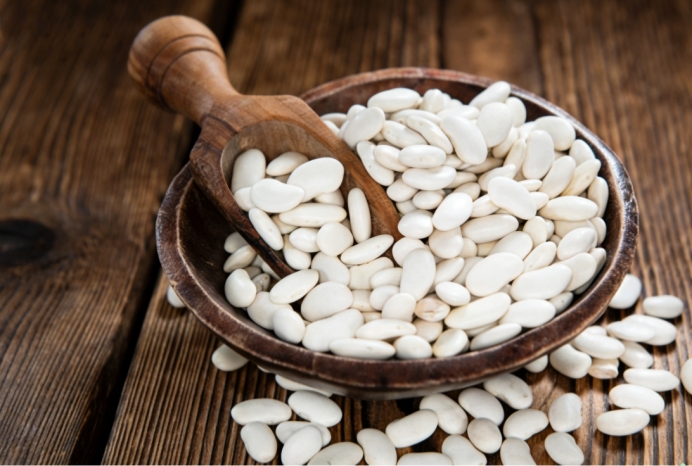
Are white kidney beans good for you?
In today's era of health and weight management, white kidney beans, a traditional legume, are regaining attention due to their unique nutritional value and potential health benefits. They are not only rich in high-quality plant protein and dietary fiber, but are also hailed as a "carbohydrate blocker" because of their natural alpha-amylase inhibitors.
Are white kidney beans truly a "carbohydrate blocker"? How do they aid in weight management?
White kidney beans are best known for their weight-loss benefits, primarily attributed to the alpha-amylase inhibitors they contain. This natural active ingredient acts like a "molecular lock," specifically binding to and inhibiting the activity of alpha-amylase in the human digestive system. Alpha-amylase is a key enzyme responsible for breaking down starch, converting complex starches in food into absorbable glucose. When the inhibitors in white kidney beans "lock" these enzymes, some of the ingested starch cannot be effectively broken down and absorbed, but is instead directly excreted from the digestive tract, theoretically reducing calorie intake.
However, it's crucial to understand that white kidney beans and their extracts are not a "miracle weight-loss drug," and their effects have clear limitations. First, they are only effective against starch, a specific type of carbohydrate. They are completely ineffective against simple sugars like sucrose and fructose syrup found in milk tea and cakes, as well as dietary fats. Second, timing is crucial. To ensure the inhibitors are "in place" before starch enters the digestive system, the best time to consume them is usually 15 minutes to 1 hour before consuming high-starch foods. Finally, their effect is supplementary and must be based on a balanced diet and a healthy lifestyle; they should never be considered a "protective shield" that allows for unrestricted carbohydrate intake.
How do white kidney beans act as a "stabilizer" for blood sugar management?
Besides aiding in weight loss, the positive impact of white kidney beans on blood sugar is another significant benefit. Because they slow down the breakdown of starch and the absorption of glucose, after consuming white kidney beans, blood sugar levels do not experience the dramatic "rollercoaster" fluctuations seen after consuming refined grains, but instead show a slow, steady rise. This low glycemic index (GI value of only 24) characteristic is undoubtedly a boon for people with diabetes or those who need to manage their blood sugar levels.
Stable post-meal blood sugar not only helps reduce the burden on the pancreas but also prevents hunger and rebound appetite caused by rapid blood sugar drops, which is crucial for maintaining a healthy weight and long-term metabolic health. At the same time, the dietary fiber in white kidney beans further slows down sugar absorption and promotes gut health. However, it is important to note that white kidney bean extract should not be taken simultaneously with blood sugar-lowering medications to avoid the risk of hypoglycemia due to excessive inhibition of carbohydrate absorption.
Is white kidney bean merely a weight-loss food? What are its comprehensive nutritional values?
Considering white kidney beans solely as a weight-loss food is undoubtedly a misconception. In fact, it is a highly nutritious and versatile ingredient. Firstly, white kidney beans are an excellent source of plant-based protein, with a protein content (approximately 23.1 grams/100 grams) even higher than some meats and common chickpeas. Its amino acid composition is rich in lysine, making it a good complement to cereal proteins. Secondly, it is rich in dietary fiber, which promotes bowel movements, prevents constipation, and increases satiety, greatly benefiting gut microbiome health. In addition, white kidney beans contain saponins, which help reduce fat absorption; their rich potassium content also makes them a suitable food choice for people with chronic diseases such as heart disease and arteriosclerosis. Whether used in porridge, soups, or various healthy foods, white kidney beans can add nutrition and deliciousness to your daily diet.
About the supplier of white kidney bean extract (enzyme inhibitor 1000u)
It needs to be emphasized that the activity of α-amylase inhibitors in cooked white kidney beans is significantly reduced by heating. Therefore, commercially available white kidney bean extract products, due to their special extraction and concentration processes, have higher activity and more stable effects. Xi'an Sost Biotech Co., Ltd. is a biotechnology company specializing in the extraction and separation of active ingredients from natural products, committed to providing high-quality raw material solutions for the global nutritional and health food industry. We can stably supply white kidney bean extract with an activity of 1000 u/g. Our product undergoes strict quality control to ensure the stability and reliability of its active ingredients, making us your ideal partner for developing nutritional supplements for weight management, blood sugar health, and other applications. Please contact us via email at ericyang@xasost.com for more product information and technical support.
References:
1. Mobile Guangming.com. (2025). Can white kidney beans, known as "carbohydrate blockers" and "eat without gaining weight," really help with weight loss?
2. Baidu Encyclopedia. (2025). White Kidney Bean Extract.
3. The Paper. (2025). White kidney bean extract for weight loss: effective but limited.
4. Youlai Doctor Network. (2024). The effects and benefits of white kidney beans.
5. 39 Health Network. (2024). The effects and benefits of eating white kidney beans.
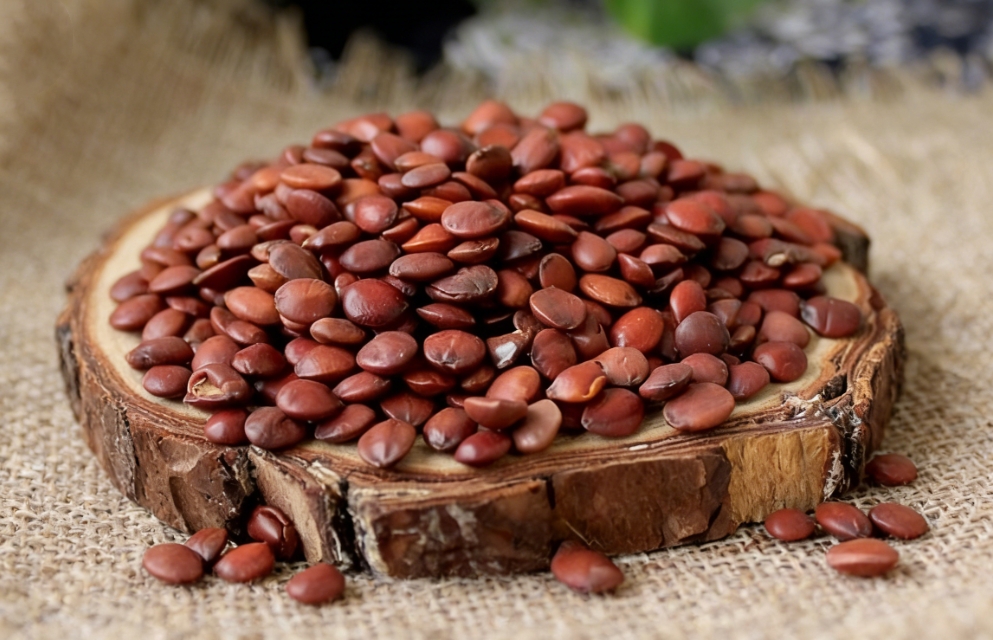
What is Ziziphus jujuba good for?
According to relevant surveys, approximately 340 million adults in my country suffer from insomnia, and sleep disorders are showing a trend towards younger age groups and chronicity. As "getting a good night's sleep" becomes a luxury, people are turning to nature and traditional remedies, seeking safe and effective solutions. Among many sleep aids, a traditional Chinese medicine ingredient called "Ziziphus jujuba seed" stands out, hailed as the "Oriental sleep-inducing fruit" and "insomnia nemesis."
What is Ziziphus jujuba seed?
Ziziphus jujuba seed is the dried mature seed of the Ziziphus jujuba plant, a member of the Rhamnaceae family. It is mainly produced in Hebei, Shanxi, Shaanxi, Shandong, and Liaoning provinces, with the "Xingtai Ziziphus jujuba seed" from Xingtai, Hebei, being particularly renowned for its large size, plumpness, and purplish-red color. Ziziphus jujuba seed is sweet and sour in taste, neutral in nature, and acts on the liver, gallbladder, and heart meridians. It is a famous tranquilizing and calming herb in traditional Chinese medicine.
In traditional Chinese medicine theory, Ziziphus jujuba seed has the functions of nourishing the heart and liver, calming the mind and spirit, astringing sweat, and generating body fluids. It is especially suitable for symptoms such as restlessness, insomnia, palpitations, and excessive dreaming caused by deficiency of yin blood in the heart and liver, and lack of nourishment of the spirit. Simply put, when our bodies consume too much "yin blood" due to fatigue and excessive thinking, and the heart and spirit are not nourished, we become restless and suffer from insomnia. At this time, Ziziphus jujuba seed can exert its effect of "nourishing the blood and calming the heart and mind," helping us regain peaceful sleep.
What are the core components of Ziziphus jujuba seed extract?
Ziziphus jujuba saponins: This is one of the main active components of Ziziphus jujuba seed, including Ziziphus jujuba saponin A and B. They can act on the central nervous system, regulating the balance of neurotransmitters, thereby producing a significant sedative and hypnotic effect.
Flavonoids: Such as spinosin, these components also have good sedative and calming effects and can synergistically enhance the effects of saponins.
Fatty acids and oils: Ziziphus jujuba seed is rich in unsaturated fatty acids, such as oleic acid and linoleic acid. These components are not only beneficial to cardiovascular health but also participate in its sedative and anti-anxiety effects.
Polysaccharides and alkaloids: These components play an important role in regulating immunity, combating depression, and providing antioxidant effects.
What is Ziziphus jujuba good for?
Calming the nerves and improving sleep quality
This is the most well-known effect of Ziziphus jujuba seeds. It can effectively shorten the time to fall asleep, extend sleep duration, and deepen sleep. Ziziphus jujuba seeds are especially suitable for insomnia caused by deficiency of heart and liver blood or internal heat. The classic traditional Chinese medicine formula "Suanzaoren Tang" (Ziziphus Jujuba Seed Decoction) uses stir-fried Ziziphus jujuba seeds as the main ingredient, specifically to treat "insomnia due to deficiency and restlessness."
Anti-anxiety and anti-depressant, relieving emotional stress
Modern life is stressful, and anxiety and depression are ever-present. Studies show that the polysaccharides and flavonoids in Ziziphus jujuba seeds can improve chronic depressive behavior and regulate neurotransmitter levels in the brain, thus playing an anti-anxiety and anti-depressant role, helping to soothe tense nerves.
Protecting the cardiovascular system, regulating blood pressure and blood lipids
Ziziphus jujuba seeds also have a direct protective effect on the heart. They can enhance myocardial contractility, regulate blood pressure, lower blood lipids, and help prevent atherosclerosis. This has positive preventive significance for the cardiovascular problems prevalent in modern people.
Enhancing immunity and antioxidant effects
Ziziphus jujuba seed extract can promote antibody production and enhance the body's immune capacity. At the same time, its antioxidant components can scavenge free radicals in the body, reduce oxidative stress damage, thus playing a role in delaying aging and protecting cells.
What are the advantages of Ziziphus jujuba seed extract compared to the raw herb?
More precise components and clearer efficacy
Ziziphus jujuba seed extract, through modern technology, concentrates and standardizes the active ingredients, ensuring that the content of active ingredients in each batch of product remains stable. This avoids the fluctuations in efficacy caused by differences in origin and year of the raw herb, making its effects more precise and controllable.
More efficient absorption and more convenient use
The extract removes a large amount of fiber and impurities from the herb, resulting in a smaller volume and easier absorption by the human body. At the same time, it can be directly added to various dosage forms such as capsules, tablets, and functional beverages, making it more convenient and faster to use than decocting the raw herb, and more in line with modern people's lifestyles. Wider Applications and Great Cross-Industry Potential
Jujube seed extract is not only used in pharmaceuticals but can also be widely applied in functional foods, health supplements, and even cosmetics. For example, adding it to sleep-aid gummies, calming teas, or soothing face masks can greatly expand its application scenarios and benefit more people.
How to Choose High-Quality Jujube Seed Extract?
For companies with procurement needs, choosing high-quality jujube seed extract is crucial. Consider the following aspects:
Origin: Prioritize raw materials from authentic producing areas such as Hebei and Shaanxi provinces to ensure quality from the source.
Process: Advanced extraction and separation technologies (such as supercritical fluid extraction and macroporous resin adsorption) can better preserve active ingredients and ensure the product is free of solvent residues.
Standards: The product should comply with the National Pharmacopoeia or relevant industry standards and have complete product testing reports (COA).
Xi'an Sost Biotech Co., Ltd. is a professional supplier of plant extracts. We are committed to providing high-quality jujube seed extract and other natural health ingredients to global customers.
Our products undergo strict quality control to ensure high active ingredient content, good purity, and consistent batches, meeting your R&D and production needs in various fields such as food, health supplements, and pharmaceuticals.
If you are looking for a reliable partner for jujube seed extract, please feel free to contact us. Our professional team will be happy to provide you with product consultation, technical support, and customized services.
Email: ericyang@xasost.com
References
National Medical Security Administration. (2025). Why is "Jujube Seed" so noteworthy? Beijing Century Altar Hospital. (2024). Beijing Pharmacist | Jujube Seed: The Insomnia Buster.
MedSci.cn. (2025). The Multi-component "Dialogue" of Jujube Seed: Understanding its Multiple Effects on Sleep, Heart Protection, and Anti-anxiety in One Article.
Shanghai Municipal Health Commission. Discussion on Jujube Seed as a Food and Medicine.
Popular Health Newspaper Science Popularization Website. (2025). Traditional Chinese Medicine Jujube Seed: Identification of Authenticity and Usage Guidance.
Hainan Provincial Market Supervision Administration. (2024). "How Much Do You Know About Traditional Chinese Medicine" Science Popularization Series (Part Four) — Jujube Seed.
Guangdong Provincial Administration of Traditional Chinese Medicine Website. (2026). Medicinal Food Recommendation | Jujube Seed: Nourishing the Heart and Liver, Calming the Mind and Soothing the Nerves.
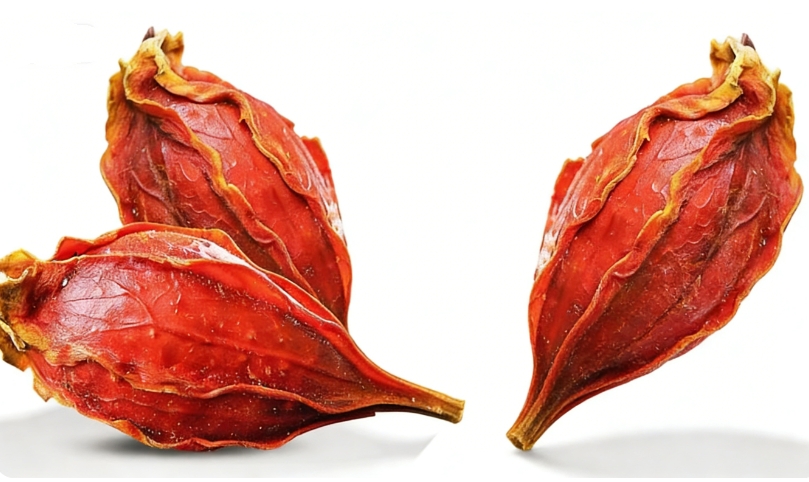
What is Cornus Officinalis Extract?
In the remaining mountain ranges of the Qinling Mountains in Xixia, Henan and Foping, Shaanxi, at altitudes of 800-1200 meters, clusters of Cornelian cherry trees grow along the edges of the warm and humid mountain slopes. This deciduous tree, scientifically known as *Cornus officinalis*, commonly called "Zao Pi" (Chinese date peel), has mature, dried fruit pulp that is a classic ingredient in traditional Chinese medicine for "tonifying the liver and kidneys, and astringing and consolidating." It is also a core component of famous traditional prescriptions such as "Liuwei Dihuang Wan" and "Zuogui Wan." Today, Cornelian cherry extract, refined using modern bio-extraction technology, has become a popular raw material in functional foods, health products, cosmetics, and pharmaceuticals, thanks to its clearly defined active ingredients and multiple health benefits, and is highly favored by B2B buyers and end brands.
I. Authentic Origin and Raw Material Advantages: Ensuring Quality from the Source
The quality of Cornelian cherry is highly correlated with its growing environment; the geographical conditions of the authentic producing areas directly determine the content of active ingredients in the raw materials. Xixia, Henan, known as the "Home of Chinese Cornelian Cherry," boasts a national-level Cornelian cherry planting base. The area has a mild and humid climate, with an average annual temperature of 15.2℃ and annual rainfall of 800-1000 mm. The soil is mainly sandy loam, rich in humus, providing unique conditions for the growth of Cornelian cherry trees. With a planting history of over 2000 years, the area employs a "wild cultivation + standardized planting" model, without the use of chemical pesticides and fertilizers, ensuring that the fruit pulp is free of heavy metal residues and pesticide exceeding limits.
The selection of high-quality Cornelian cherry raw materials is equally rigorous. Harvesting must be concentrated in October-November when the fruit is mature (the peel turns red and the pulp is soft). After manual harvesting, the pits are immediately removed, and the fruit is naturally air-dried or low-temperature dried until the moisture content is ≤13%, preventing the loss of active ingredients. The raw materials must comply with the standards of the *Pharmacopoeia of the People's Republic of China*: the fruit pulp is in irregular flakes or sacs, 1-1.5 cm long and 0.5-1 cm wide, with a purplish-red to purplish-black surface, wrinkled and glossy; it has a faint odor and a sour, astringent, and slightly bitter taste, with a loganin content of no less than 0.60%.
Compared with ordinary production areas, the *Cornus officinalis* fruit pulp from authentic production areas has a 30% higher content of iridoid glycosides (loganinin and morroniside), and is also richer in polysaccharides and triterpenic acids, laying the foundation for the high potency of subsequent extracts. For B2B buyers, choosing raw materials from authentic production areas is the first step in ensuring product efficacy and market competitiveness.
II. Analysis of Core Components: Multiple Health Benefits of Active Substances
The core value of *Cornus officinalis* extract stems from its complex and highly effective combination of active ingredients. Modern pharmacological research has confirmed that the following three types of components are key to its health benefits:
1. Iridoid Glycosides (Loganin and Morroniside) – Core for Liver Protection and Neuroprotection
As the most abundant active components in *Cornus officinalis* extract (total content can reach 5%-10% in high-quality products), the pharmacological effects of loganin and morroniside are the most clearly defined. Multiple animal experiments and clinical studies have shown that loganin can significantly reduce the levels of ALT (alanine aminotransferase) and AST (aspartate aminotransferase) in the serum of carbon tetrachloride-induced liver injury rats, inhibit hepatocyte apoptosis, and enhance the liver's antioxidant capacity and detoxification function by regulating the COX-2/Nrf2 signaling pathway. In terms of neuroprotection, loganin can improve the learning and memory abilities of Alzheimer's disease model mice and reduce β-amyloid protein deposition in the brain, providing important raw material support for the development of brain-enhancing health products.
2. Polysaccharides – Mainstay for Immune Regulation and Antioxidant Activity
*Cornus officinalis* polysaccharides are water-soluble polysaccharides composed of glucose, fructose, arabinose, etc., accounting for approximately 15%-20% of the extract. Research has found that this polysaccharide can stimulate the proliferation and activation of macrophages and lymphocytes, enhance the ability of immune cells to recognize and eliminate pathogens, and promote the secretion of immunoglobulins (IgG, IgM), regulating the body's defense system from both "enhancing immunity" and "balancing immunity" aspects. In addition, Cornus officinalis polysaccharide has significant antioxidant capacity, with a DPPH free radical scavenging rate of over 75%, effectively clearing excess free radicals in the body, reducing oxidative stress damage to cells, and delaying skin aging and bodily function decline.
3. Triterpenic Acids (Ursolic Acid, Oleanolic Acid) – Anti-inflammatory and Metabolic Regulation Assistants
Ursolic acid and oleanolic acid are present in Cornus officinalis extract at a concentration of approximately 2%-5%. Both have significant anti-inflammatory activity, inhibiting the release of inflammatory factors such as TNF-α and IL-6, and have an auxiliary conditioning effect on inflammatory diseases such as rheumatoid arthritis and gastroenteritis. At the same time, ursolic acid can also regulate glucose and lipid metabolism, lowering triglyceride and cholesterol levels in hyperlipidemia model rats and improving insulin resistance, providing a natural raw material option for weight management functional foods.
In addition to the above core components, Cornus officinalis extract also contains various trace elements such as vitamin C, vitamin E, calcium, iron, and zinc, which synergistically interact with the active ingredients to form a "multi-dimensional health" efficacy system, covering multiple areas such as immune regulation, liver protection, antioxidant, anti-inflammatory, and neuroprotection, adapting to the research and development needs of different products.
III. Extraction Process and Quality Control: Fine-tuned Management from Raw Materials to Finished Products
The production of high-quality Cornus officinalis extract requires a scientific extraction process and strict quality control. The production process of reputable manufacturers typically includes the following key steps:
1. Extraction Process: Primarily low-temperature water extraction, balancing efficiency and activity.
The mainstream process uses "low-temperature water extraction + membrane separation purification" technology: Dried Cornus officinalis fruit pulp is crushed to 20-40 mesh, 8-10 times the amount of purified water is added, and extraction is performed twice at a constant temperature of 60-70℃ for 2 hours each time (low temperature prevents the decomposition of iridoid glycoside components); the extract is filtered through a plate and frame filter to remove impurities, and then separated and purified through an ultrafiltration membrane (molecular weight cut-off value of 10000 Da), and concentrated to an extract with a relative density of 1.2-1.3; finally, it is spray-dried (inlet air temperature 180℃, outlet air temperature 80℃) to produce a powder with a moisture content controlled below 5%.
Some high-end products use a "water extraction + alcohol precipitation" process to further improve the purity of active ingredients, but the ethanol residue must be controlled (≤0.5%) to ensure compliance with food-grade standards. Compared with traditional hot reflux extraction, modern processes can increase the retention rate of active ingredients to over 85%, significantly better than the 60% of traditional processes.
2. Quality Control: Multiple tests to ensure compliance and potency.
Reputable manufacturers establish a comprehensive quality control system, with key testing items including:
Raw material testing: Heavy metals (lead ≤0.5mg/kg, cadmium ≤0.3mg/kg), pesticide residues (in compliance with GB 2763 standard), moisture content, loganin content;
Process testing: pH value and solid content of the extract, concentration of active ingredients after purification;
Finished product testing: Loganin content (≥1.0%), total iridoid glycoside content (≥3.0%), polysaccharide content (≥10%), microbial limits (total bacterial count ≤1000 cfu/g, mold and yeast ≤100 cfu/g, no pathogenic bacteria). The finished product must be accompanied by a Certificate of Analysis (CoA) issued by a third-party testing agency, clearly stating the test results for various indicators to ensure that the product complies with GB 16740 (General Standard for Health Foods), USP (United States Pharmacopeia), or EP (European Pharmacopoeia) standards, meeting market access requirements in different regions.
IV. Application Scenarios and Market Demand: Popular Raw Materials Covering Multiple Fields
The diverse efficacy of Cornus officinalis extract makes it widely applicable in multiple fields, and market demand continues to grow:
1. Health Products: Primarily immune regulation and liver protection products
Immune regulation: Combined with Ganoderma lucidum extract and Astragalus extract to make capsules and tablets, suitable for middle-aged and elderly people and those with low immunity;
Liver protection: Used as a core ingredient to make liver-protecting tea and capsules, targeting people who stay up late and those at high risk of alcoholic liver disease;
Kidney tonifying: Combined with Epimedium and Cuscuta extract to develop kidney-tonifying and essence-replenishing health products, meeting men's health needs.
2. Cosmetics: Antioxidant and anti-inflammatory skincare products
Anti-aging skincare products: Added to face creams and serums to improve skin wrinkles and dullness by scavenging free radicals and promoting collagen synthesis;
Anti-inflammatory and repairing products: For sensitive and acne-prone skin, using its anti-inflammatory components to relieve skin redness and itching;
Hair growth products: Combined with ginger extract and ginseng extract to make shampoos and hair growth liquids to help improve hair loss problems.
3. Pharmaceutical Field: Traditional Chinese Medicine and Innovative Drug Raw Materials
In traditional Chinese medicine, Cornus officinalis extract is a core ingredient in classic prescriptions such as Liuwei Dihuang Pills and Jin Kui Shen Qi Pills; in innovative drug research and development, its active ingredient, loganin, has been used in clinical trials for liver protection and neuroprotection drugs, showing huge market potential.
4. Functional Foods: Healthy Beverages and Dietary Supplements
Functional beverages: Added to herbal teas and sports drinks to enhance the health benefits of the products;
Dietary supplements: Made into oral solutions and chewable tablets, suitable for children, the elderly, and other special groups.
V. Supplier Recommendation: Xi'an Sost Biotech – A High-Quality Supplier Specializing in Cornus Officinalis Extract
Xi'an Sost Biotech, a professional supplier with over 10 years of experience in the plant extract field, has become a benchmark enterprise in the Cornus officinalis extract industry, trusted by B2B buyers worldwide, thanks to its authentic raw materials, advanced technology, and strict quality control.
The company relies on its authentic Cornus officinalis planting base in Xixia, Henan Province, and has established an integrated supply chain of "planting - harvesting - processing - testing." All raw materials come from organically certified bases, with a stable loganin content of over 1.0% and a total iridoid glycoside content of ≥3.0%. The production workshop is GMP certified and uses a "low-temperature water extraction + membrane separation purification" process, ensuring no chemical solvent residue. The products meet multiple standards such as GB, USP, and EP, and can meet the needs of various fields such as health products, cosmetics, and pharmaceuticals.
The company provides full-process quality assurance, with each batch of products accompanied by a third-party CoA report, supporting customized testing of indicators such as heavy metals, pesticide residues, and microorganisms. Customized services are also available, such as adjusting the extraction ratio (5:1-20:1), particle size (80-200 mesh), as well as value-added services such as private label customization and packaging design.
Whether you need to purchase raw materials in bulk or seek product formulation cooperation, Xi'an Sost Biotech can provide professional solutions. For product details, samples, or price inquiries, please contact us through the following methods:
Contact Email: info@sostherbusa.com
Core Advantages: Authentic raw materials, multiple certifications, customized services, stable supply
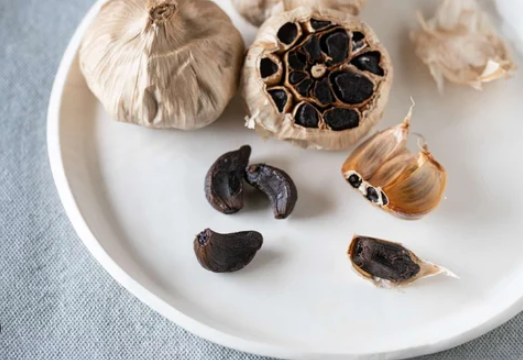
Where does the allicin in black garlic capsules come from?
Black garlic capsules, a health product combining traditional ingredients with modern technology, are gradually becoming a "star product" in the health supplement market. So, where exactly does the allicin in black garlic capsules come from? How does it differ from ordinary garlic? And what role does black garlic extract play in this? This article will provide an in-depth analysis from a scientific perspective, exploring several popular topics and giving you a comprehensive understanding of this healthy product.
I. Allicin in Black Garlic Capsules
Many people mistakenly believe that the allicin in black garlic capsules comes directly from fresh garlic, but this is not the case. Black garlic is made by fermenting fresh garlic at specific temperatures and humidity for more than 60 days. This process not only changes the color of the garlic from white to dark brown or even black, but more importantly, it triggers complex biochemical reactions, including the transformation and stabilization of allicin precursor substances.
Fresh garlic contains abundant alliin. When garlic is chopped or crushed, the cells rupture, and alliin is rapidly converted into allicin, which has a strong pungent odor, under the action of alliinase. However, allicin is extremely unstable and easily decomposes under the influence of heat, light, and pH.
During the fermentation process of black garlic, although the original allicin is almost completely degraded under high temperature and high humidity conditions, various new sulfur-containing compounds are generated through non-enzymatic reactions and Maillard reactions, such as S-allyl-cysteine (SAC) and diallyl disulfide (DADS). These substances are not only more stable but also possess stronger antioxidant, anti-inflammatory, and immunomodulatory activities. More importantly, SAC is considered the core representative component of the "allicin-like" activity in black garlic and is one of the key indicators for measuring the quality of black garlic extract.
Therefore, it can be said that the "allicin" in black garlic capsules is not directly added, but rather the original garlic components are transformed through the fermentation process into more stable, easily absorbed, and highly bioavailable active sulfur-containing compounds, especially a complex system with SAC as the main marker.
II. How Much Allicin Does Black Garlic Contain?
Strictly speaking, traditional "allicin" is no longer detectable in finished black garlic products, as it is destroyed during the fermentation process. However, modern analytical techniques have revealed that high-quality black garlic and its extracts contain up to 1.0% to 3.0% of S-allyl-cysteine (SAC), which is a key characteristic component that distinguishes black garlic from ordinary garlic.
Studies have shown that SAC has good water solubility and stability, and its absorption rate after oral administration is significantly higher than that of allicin-like substances in fresh garlic. Furthermore, SAC has been proven to have various physiological functions, including liver protection, regulation of blood lipids and blood sugar, and scavenging free radicals, making it the core substance underlying the health benefits of black garlic.
Therefore, when evaluating the quality of black garlic capsules, the amount of "allicin" should no longer be the sole criterion. Instead, attention should be paid to its SAC content and total organic sulfur compound levels, which are the key indicators reflecting its true efficacy potential.
III. Effects of Black Garlic Capsules
With further research, the health benefits of black garlic capsules are continuously being validated, mainly in the following aspects:
1. Antioxidant and Anti-aging: The polyphenols, flavonoids, and SAC in black garlic have strong free radical scavenging abilities, effectively reducing oxidative stress damage to cells and delaying the aging process.
2. Regulating Blood Lipids and Protecting Cardiovascular Health: Animal experiments and clinical observations show that long-term consumption of black garlic extract can significantly reduce serum total cholesterol (TC), triglycerides (TG), and low-density lipoprotein (LDL-C), while increasing high-density lipoprotein (HDL-C), helping to prevent atherosclerosis.
3. Regulating Blood Sugar and Improving Insulin Resistance: Some studies indicate that the active components in black garlic can activate the AMPK pathway, enhance glucose uptake by peripheral tissues, and assist in controlling blood sugar levels, showing potential for intervention in pre-diabetic individuals.
4. Enhancing Immunity and Anti-inflammatory Effects: Black garlic can promote macrophage phagocytic function, regulate T cell subset balance, and inhibit inflammatory pathways such as NF-κB, thereby enhancing the body's disease resistance.
IV. How to Use Black Garlic Capsules Effectively?
To maximize the health benefits of black garlic capsules, the following usage principles are recommended:
1. Reasonable Dosage: Generally, a daily intake of 300-600mg of black garlic extract is recommended. Specific dosage should be based on product instructions or a doctor's advice;
2. Take with Meals: Taking after meals can reduce gastrointestinal irritation and improve absorption;
3. Long-Term Use: The regulatory effects of black garlic are mostly gradual; it is recommended to take it continuously for at least 8-12 weeks to observe the effects;
4. Combine with Synergistic Ingredients: For example, combining with Ziziphus jujuba extract can create a synergistic effect of "heart and brain regulation"—Ziziphus jujuba calms the nerves and improves sleep, while black garlic regulates metabolism and protects blood vessels. This combination is more suitable for middle-aged and elderly people or those under high stress;
5. Note Contraindications: Pregnant women, breastfeeding women, patients before and after surgery, and those taking anticoagulant medications should use with caution and consult a professional physician if necessary.
V. Professional Raw Material Support: High-Quality Plant Extract Solutions from Xi'an
For manufacturers who wish to develop their own brand of black garlic capsules or compound formula products, choosing a stable and reliable supplier of plant extract raw materials is crucial. Xi'an Sost Biotech Co., Ltd. is a high-tech enterprise specializing in the research and development and production of natural plant extracts, providing high-quality raw material support to global dietary supplement, functional food, and cosmetic companies.
The company can supply high-purity black garlic extract, with the core indicator S-allyl-cysteine (SAC) content stably controlled between **1% and 3%**, meeting the needs of different dosage forms and formulations. The product uses a standardized extraction process and undergoes strict quality testing to ensure batch consistency and safety.
In addition, Sost Biotech has overseas warehouse inventory in the United States, supporting fast shipping and localized services in North America, greatly shortening the customer supply chain cycle. Whether you need single-ingredient raw materials or wish to develop a compound of black garlic extract + Ziziphus jujuba extract, we can provide customized solutions and technical support. Contact us:
Email: ericyang@xasost.com
References:
1. Kodera Y, et al. (2002). "Quantitative determination of S-allyl-L-cysteine in aged garlic extract and its pharmacological effects." Journal of Chromatography B, 779(1-2), 137–146.
2. Ban JO, et al. (2010). "Anti-inflammatory and anti-cancer activities of aged black garlic extract." Food and Chemical Toxicology, 48(9), 2483–2489.
3. Liu Y, et al. (2015). "Aged garlic extract modulates lipid metabolism and improves insulin sensitivity in diet-induced obese mice." European Journal of Nutrition, 54(5), 707–717.
4. Amagase H, et al. (2001). "Clarifying the real bioactive constituents of garlic." Life Sciences, 68(14), 1561–1572.
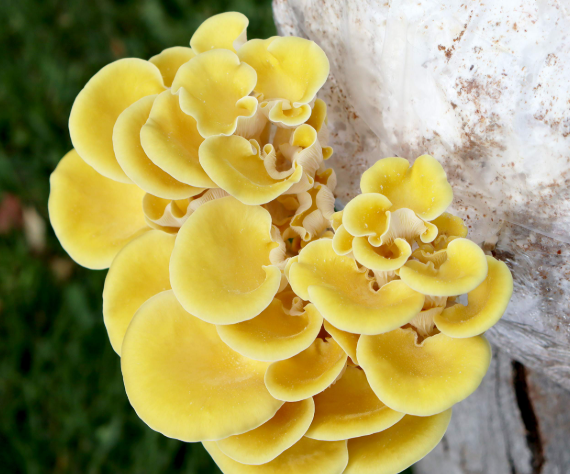
What is the ergothioneine content of Pleurotus citrinopileatus?
Ergothioneine, a natural amino acid derivative, is found in various natural sources, one of which is the golden oyster mushroom (*Pleurotus citrinopileatus*), due to its high ergothioneine content. This article will explore the scientific value and industrial applications of this natural active ingredient, focusing on keywords such as golden oyster mushroom, golden oyster mushroom extract, plant extracts, and raw materials.
How much ergothioneine is in golden oyster mushrooms?
The golden oyster mushroom, also known as the golden oyster or lemon yellow oyster mushroom, is an edible mushroom with high nutritional value. It is rich in various bioactive substances and is used in the research of functional foods and cosmetic raw materials. According to several studies, the average ergothioneine content in the fruiting bodies of golden oyster mushrooms can reach 1.2–2.5 mg/g dry weight (i.e., 1200–2500 micrograms per gram of dry mushroom), which is a high level among common edible mushrooms.
This data is significantly higher than that of common button mushrooms (*Agaricus bisporus*, approximately 0.5–1.0 mg/g) and shiitake mushrooms (*Lentinula edodes*, approximately 0.8–1.2 mg/g), and is close to or even exceeds some varieties of *Boletus* species, which are known as the "king of ergothioneine."
Therefore, golden oyster mushroom extract, as a stable source of ergothioneine, is increasingly being used in anti-aging skincare products, immune-regulating supplements, and sports nutrition products, becoming a new favorite in the plant extract raw material market.
Which fungi have the highest ergothioneine content?
Although the golden oyster mushroom performs excellently, there are still several "champion" contenders in the fungal kingdom that surpass it in ergothioneine content:
1. Boletus species: Some wild Boletus mushrooms can have ergothioneine content as high as 2.8–3.5 mg/g, making them one of the highest known natural sources.
2. Chanterelle (Cantharellus cibarius): The content is approximately 2.0–3.0 mg/g, combining both flavor and nutrition.
3. Maitake Mushroom (Grifola frondosa): In addition to polysaccharides, it also contains 1.8–2.2 mg/g of ergothioneine, exhibiting a synergistic effect.
Although these wild mushrooms have higher content, due to resource scarcity, high prices, and difficulty in large-scale cultivation, the Golden Oyster Mushroom (Pleurotus citrinopileatus) has become an ideal raw material source for industrial extraction of ergothioneine due to its artificial cultivation, stable yield, and controllable cost.
Five Core Advantages of Ergothioneine
1. Superb Antioxidant Capacity: Ergothioneine is a natural thione-type amino acid that efficiently scavenges free radicals, especially hydroxyl radicals and singlet oxygen, protecting cell membranes and DNA from oxidative damage.
2. Unique Cell Targeting: The human body has a specific transporter protein, OCTN-1, which actively concentrates ergothioneine in tissues with high oxidative stress, such as the skin, liver, and kidneys, achieving precise protection.
3. Photoprotective Effect: Under ultraviolet irradiation, ergothioneine can reduce apoptosis of skin fibroblasts and inhibit melanin production, and is widely used in anti-photoaging skincare products.
4. Anti-inflammatory and Immunomodulatory Effects: Studies have shown that ergothioneine can inhibit the NF-κB pathway, reduce the release of inflammatory factors, and has potential intervention value for chronic inflammation.
5. High Stability and Good Safety: Compared with easily oxidized components such as vitamin C, ergothioneine remains stable at high temperatures, light, and a wide pH range. Animal experiments show that its acute toxicity is extremely low, with an LD50 > 5g/kg, classifying it as a non-toxic substance.
Industrial Application Prospects of Golden Oyster Mushroom Extract
• Beauty and Skincare: Added to serums and creams, focusing on "anti-aging" and "brightening skin tone" concepts;
• Functional Foods: As a core ingredient in dietary supplements, supporting cell health and immunity;
• Sports Nutrition: Helps alleviate exercise-induced oxidative stress and muscle fatigue;
• Pet Health: Some high-end pet food brands have begun adding ergothioneine to extend the lifespan of pets.
In terms of extraction technology, mainstream companies utilize a combination of water extraction, alcohol precipitation, and macroporous resin purification technology, which can increase the ergothioneine concentration in *Pleurotus citrinopileatus* extract to 5% (i.e., 50mg/g), meeting the demand for high-purity raw materials.
High-Quality Ergothioneine Raw Material Supplier
Among numerous plant extract suppliers, Xi'an Sost Biotech Co., Ltd. is a high-tech enterprise specializing in the research and development and production of natural products. The company owns a standardized GMP workshop and advanced testing platforms such as high-performance liquid chromatography (HPLC) and mass spectrometry (MS), ensuring that the active ingredient content of each batch of *Pleurotus citrinopileatus* extract is stable and meets the standards for heavy metals and microorganisms.
Currently, the company has established an overseas warehouse in the United States, providing localized warehousing and fast delivery services for Pleurotus citrinopileatus extract (5% ergothioneine) to North American customers, supporting B2B bulk purchasing and customized extraction services. The product is widely used in cosmetics, health products, and food and beverage industries, and is highly praised by customers.
Contact Information:
Email: ericyang@xasost.com
Website: www.sostapi.com
COA, MSDS, test reports, and sample requests are available.
Conclusion
Pleurotus citrinopileatus is not only a delicious edible mushroom but also an important source of natural ergothioneine. Its extract, with its high content, high stability, and broad application prospects, is becoming a "golden raw material" in the plant extract market. With the deepening of scientific research and the growth of consumer demand, natural fungal extracts represented by *Pleurotus citrinopileatus* will play an increasingly important role in the health industry chain.
For raw material purchasers, brand owners, and R&D institutions, choosing a supplier like Xi’an Sost Biotech with a complete quality system and global service capabilities is a crucial step in ensuring product competitiveness.
References
1.Ey, J. M., et al. (2007). "Dietary sources and bioavailability of ergothioneine." *Preventive Medicine*, 45(5), 533–538.
2.Cheah, I. C., & Halliwell, B. (2012). "Ergothioneine: recycling and protective roles in the body." *Free Radical Biology and Medicine*, 52(9), 1507–1519.
3.Kalaras, M. D., et al. (2017). "Ergothioneine content of edible mushrooms as affected by cultivation conditions." *Journal of Agricultural and Food Chemistry*, 65(34), 7542–7548.
4.National Institutes of Health (NIH). "Ergothioneine: A Unique Antioxidant." *Office of Dietary Supplements*.
5. Zhang, Y., et al. (2020). "Optimization of extraction and purification of ergothioneine from *Pleurotus citrinopileatus* using response surface methodology." *Molecules*, 25(12), 2899.
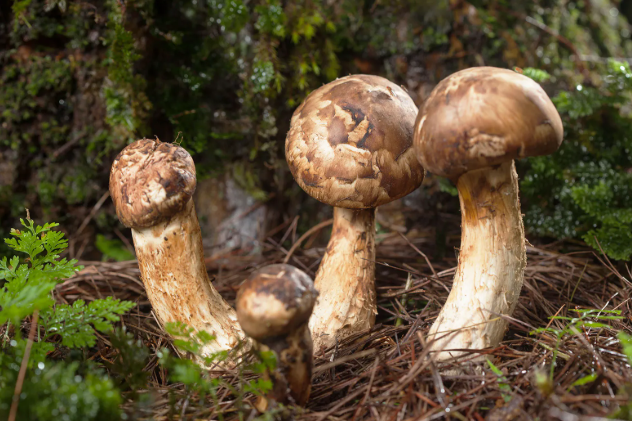
What is tricholoma matsutake extract?
Tricholoma Matsutake Extract is derived from a rare edible mushroom and contains high-value natural components. In recent years, with the increasing demand for natural ingredients, matsutake extract has become an important raw material for the development of functional foods and health products. This article will systematically analyze the source, extraction process, core active ingredients, and health benefits of matsutake extract, and explore its application trends in the health industry. Finally, it will introduce Xi'an Sost Biotech Co., Ltd., a professional supplier of high-quality plant extract raw materials.
What is Matsutake Extract?
Matsutake extract is a mixture of active ingredients extracted, concentrated, and purified from natural matsutake fruiting bodies or mycelium. Matsutake is a rare wild edible mushroom that grows in unpolluted high-altitude forests, mainly distributed in Northeast China, Southwest China, Japan, South Korea, and Northern Europe. Traditionally, it has been known for its "strengthening the body and prolonging life" medicinal effects and is hailed as the "king of mushrooms."
Modern research shows that matsutake is rich in polysaccharides, triterpenoids, and other bioactive substances. These components exhibit various physiological functions in the human body, including immune regulation, antioxidant, anti-fatigue, liver protection, and regulation of blood sugar and lipids. Matsutake extract exists in powder and liquid forms, facilitating its large-scale application in health products, functional foods, and pharmaceutical intermediates.
Extraction Process of Matsutake Extract
The quality of matsutake extract is closely related to its extraction process. The main extraction processes currently used include the following:
1. Hot water extraction method: The most traditional method, which uses high-temperature water to dissolve water-soluble polysaccharides, proteins, and other components from matsutake, followed by concentration, alcohol precipitation, and drying to obtain the finished product. The advantages are low cost and high safety; the disadvantage is that heat-sensitive components are easily destroyed, and the extraction efficiency is low.
2. Ethanol reflux extraction method: Suitable for extracting lipid-soluble or moderately polar components such as triterpenoids and adenosine from matsutake. Extraction with different concentrations of ethanol can achieve targeted enrichment of components.
3. Supercritical CO₂ Extraction Method: This method utilizes supercritical carbon dioxide as a solvent to efficiently extract lipid-soluble active ingredients at low temperatures, avoiding thermal degradation. The resulting extract has high purity and no solvent residue, making it the preferred process for high-end products.
4. Enzyme-Assisted Extraction: By adding biological enzymes such as cellulase and protease, the cell wall structure of the matsutake mushroom is broken down, increasing the dissolution rate of active ingredients and significantly improving extraction efficiency and yield.
5. Membrane Separation and Macroporous Resin Purification Technology: Used in the subsequent separation and purification stages, this technology effectively removes impurities, enriches target polysaccharides or triterpenes, and achieves product standardization (e.g., polysaccharide content ≥30%).
Modern extraction processes are developing towards "green, efficient, low-consumption, and high-value" directions, combined with fingerprinting and activity evaluation systems to ensure the stable quality and traceability of each batch of matsutake mushroom extract.
The Core Value of Matsutake Mushroom Extract
The reason why matsutake mushroom extract is so popular lies in its multifaceted physiological activity and health benefits.
1. Immune Regulation
Matsutake polysaccharides (especially β-glucans) have been proven to activate macrophages, T cells, and NK cells, enhancing the body's non-specific and specific immune functions and improving disease resistance. Multiple animal experiments and clinical observations show that long-term intake of matsutake mushroom extract can significantly reduce the incidence of colds, fatigue, and other sub-health conditions.
2. Antioxidant and Anti-aging Effects
The triterpenes and polysaccharides in matsutake mushrooms have the ability to scavenge free radicals and inhibit lipid peroxidation. Excessive free radicals can lead to pathological changes such as vascular endothelial damage, collagen cross-linking, and vascular hardening. Matsutake mushroom extract can protect the vascular system through antioxidant mechanisms, delay tissue aging, and has the potential to "soften blood vessels and restore elasticity."
3. Auxiliary Regulation of Blood Sugar and Blood Lipids
Studies have shown that matsutake mushroom extract can improve insulin sensitivity and regulate glucose metabolism; at the same time, by affecting lipoprotein metabolism, it lowers serum total cholesterol and low-density lipoprotein (LDL), helping to prevent metabolic syndrome and cardiovascular and cerebrovascular diseases.
4. Liver Protection and Detoxification Functions
The adenosine and ergosterol in matsutake mushrooms have the effect of protecting liver cells and promoting liver cell regeneration, and have a certain protective effect against chemical liver damage (such as alcohol and drugs).
5. Anti-fatigue and Improved Sleep Quality
Matsutake mushroom extract can regulate the neuro-endocrine system and relieve stress-induced fatigue. Some compound products, combined with other sleep-promoting ingredients (such as GABA and jujube seed extract), can synergistically exert a calming and soothing effect, suitable for sub-healthy people with insomnia and anxiety.
Industry Trends and Hot Spots of Matsutake Mushroom Extract
1. Scarcity of Matsutake Mushroom Raw Materials
Wild matsutake mushrooms have a long growth cycle and depend on specific ecological environments, and have been listed as a national second-class protected wild plant (trial implementation). Therefore, artificial cultivation of mycelium fermentation and liquid deep culture technology have become the key to solving the bottleneck of raw material supply and are also a guarantee for the sustainable development of the industry in the future.
2. Application Prospects in Functional Foods
With the advancement of the health industry globally, the demand for food raw materials with specific functions has surged. Matsutake mushroom extract, due to its high safety and clear functions, is being widely used in special dietary foods for middle-aged and elderly nutrition, workplace stress relief, and post-operative recovery.
How to Find a Supplier of Matsutake Mushroom Extract?
Among numerous plant extract suppliers, Xi'an Sost Biotech Co., Ltd., with its many years of industry experience and global layout, has become a strategic partner of many domestic and international health brands. The company focuses on the research, development, production, and sales of natural plant and fungal extracts, and its product line covers a variety of functional raw materials such as matsutake mushroom extract, Ganoderma lucidum polysaccharide, and cordycepin.
Core Advantages:
● Custom Formulation Services: We can provide customized sleep-enhancing product formulations based on customer needs, such as *Tricholoma matsutake* extract + GABA + Ziziphus jujuba extract + melatonin precursor, achieving synergistic effects;
● High-Quality Assurance: Produced in a cGMP-standard facility, each batch of product undergoes multi-dimensional testing including HPLC, UV, and GC-MS to ensure active ingredient content and safety;
● Global Supply Chain Support: We have overseas warehouses in the United States, supporting fast delivery to the North American market and shortening customer delivery cycles;
● Customized Development Capabilities: We provide OEM/ODM services, supporting formula design and process support for different dosage forms (powder, capsules, tablets, liquids).
Contact Information
Email: ericyang@xasost.com
Website: www.sostapi.com
Tricholoma matsutake extract, as a star ingredient among natural plant extracts, is moving from traditional health practices to modern scientific verification and industrial application. It not only embodies people's aspirations for a healthy life but also represents the future development direction of functional foods: "natural, precise, and efficient." Choosing a high-quality raw material supplier is a crucial step for product success. We believe that with in-depth scientific research and a mature industrial chain, *Tricholoma matsutake* extract will shine even brighter on the global health stage.
References
[1] Pine Needle Extract Products - Pine Needle Tea, Health Science Popularization Article, 202X.
[2] Chinese Pharmacopoeia Commission. *Pharmacopoeia of the People's Republic of China* 2020 Edition. Beijing: China Medical Science Press.
[3] Zhang, J., et al. (2021). "Immunomodulatory effects of Tricholoma matsutake polysaccharides in mice with cyclophosphamide-induced immunosuppression." International Journal of Biological Macromolecules, 185, 339–348.
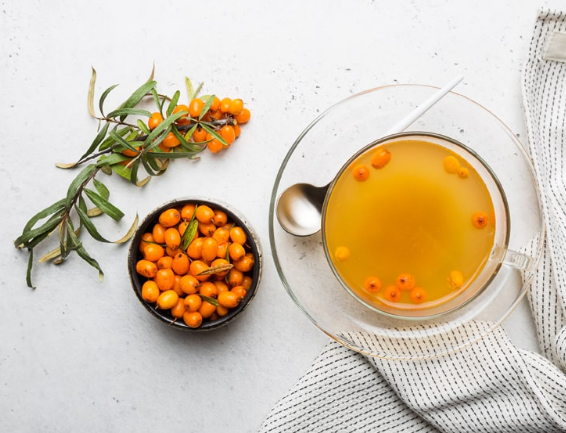
How to Choose Sea Buckthorn Juice Powder?
Sea buckthorn (Hippophae rhamnoides) is known as the "King of Vitamin C." Its juice powder, rich in total flavonoids, vitamin C, organic acids, and rare palmitoleic acid, has become a popular ingredient in functional beverages, meal replacements, and beauty drinks.
6 Key Indicators of High-Quality Sea Buckthorn Juice Powder
Raw Material Traceability – "Small Production Areas" are Superior to "Bulk Commodities"
High-altitude regions such as the Qinghai Plateau, Ulagai in Inner Mongolia, and the Qilian Mountains in Gansu have long sunshine hours and large diurnal temperature differences, resulting in sea buckthorn with total flavonoid content exceeding 1.2%, on average 30% higher than those grown in plains. Suppliers should provide GPS coordinate-level origin certificates, and verification of wild or organic certification is required.
Ingredient Purity – The Ingredient List Should "Only Subtract"
A truly "sea buckthorn juice powder" should only have one ingredient listed: Sea buckthorn juice powder. If "maltodextrin, sucrose, or citric acid" are present, it can be considered a filler-type product, and the active ingredient content must be discounted accordingly.
Processing Details – Low-Temperature Belt Drying for Freshness Preservation
Vacuum low-temperature belt drying (≤45 ℃) can maintain a vitamin C retention rate of over 90%, resulting in uniform particles and good solubility; while traditional spray drying, with an inlet air temperature as high as 180 ℃, can lead to a vitamin C loss of up to 40%. After sampling, perform a "cold water rapid dissolution test": 5 g of powder + 200 mL of 25 ℃ water, stirring for 10 seconds should result in complete dispersion with no visible fruit residue.
Active Ingredients – Include "Flavonoids" in the Contract
Using total flavonoids ≥1.0% and vitamin C ≥600 mg/100 g as baseline values, require suppliers to provide third-party HPLC chromatograms with the shipment; if used for "antioxidant" claims, it is recommended to also test the ORAC value, with ≥5000 μmol TE/g making differentiation easier. Safety Indicators – Zero Tolerance for Heavy Metals
Lead ≤ 0.3 ppm, Cadmium ≤ 0.2 ppm, Total Arsenic ≤ 0.1 ppm, and mycotoxins (patulin) must not be detected, meeting EU EC 1881/2006 standards.
Certification Endorsement – The Most Reassuring "Dual Standard" System
Companies that have simultaneously obtained ISO 22000 and EU/USDA organic certifications offer greater assurance of batch consistency, significantly reducing customer on-site audit costs.
Three Multi-Source Consumption Options for Sea Buckthorn Juice Powder
Functional Ready-to-Drink – "Light Nourishment" Meal Replacement
Formula: 8% sea buckthorn juice powder + 3% inulin + 2% erythritol + 1% coconut powder MCT. Each serving is 30g, simply mix with hot water. The combination of Vitamin C and medium-chain fatty acids meets the dual needs of antioxidant and ketogenic diets for breakfast meal replacement.
Probiotic Carrier – "Sea Buckthorn Yogurt Powder"
Utilizing the natural organic acids of sea buckthorn (pH 3.2–3.5) to inhibit miscellaneous bacteria, combined with freeze-dried lactic acid bacteria powder to create ready-to-drink granules. It has a shelf life of up to 18 months and requires no refrigeration. Each sachet contains 2g, with live bacteria ≥10^11 CFU, suitable for travel.
Beauty Solid Beverage – "Oral Skin Brightening"
Sea buckthorn juice powder is dry-mixed with collagen peptides and rice ceramides in a 5:3:1 ratio, made into stick packs. One pack daily for 8 consecutive weeks can increase skin moisture by 15% (internal clinical data). High content of Vitamin C promotes collagen synthesis, and palmitoleic acid (Omega-7) repairs mucous membranes, providing both internal and external benefits.
How to Find a Reliable Supplier?
Look at the Origin
Xi'an Sost Biotech has a 5000-acre organic sea buckthorn base in Menyuan, Qinghai, at an altitude of >3000 m, with 2800 hours of sunshine per year and a diurnal temperature difference of over 15 ℃. The raw material flavonoid baseline value is already higher than the industry standard.
See Production Line
The company owns two vacuum low-temperature belt drying lines, processing 20 tons of fresh fruit juice per shift per day. The powder mesh size is adjustable from 80 to 120 mesh, and it dissolves quickly in cold water in ≤10 seconds. It is also equipped with UHT instantaneous sterilization and aseptic filling, with microbial control <1000 CFU/g.
See Testing
Our in-house laboratory is CNAS accredited and can issue six major reports: total flavonoids, vitamin C, ORAC, heavy metals, pesticide residues, and mycotoxins. We have also signed annual comparison agreements with SGS and Eurofins to ensure recognition by international clients.
See Services
We support OEM orders starting from 1 kg, providing regulatory label review, nutritional component conversion, and organic claim guidance. For North American clients, we can assist with filling out FSMA PCQI documents to reduce customs clearance risks.
See Reputation
Leading domestic brands such as "WonderLab" and "Daily Bacteria" use our sea buckthorn powder as a core ingredient, with a repurchase rate of ≥80% for three consecutive years. In 2024, we were selected as one of the "Top 50 Plant Extracts" (Plant Extract Bridge ranking).
Procurement Contact:
Email: info@sostherbusa.com
Website: www.sosterb.com
Address: Gaoke Shangdu ONE, Zhangba Fourth Road, High-tech Zone, Xi'an City, Shaanxi Province, China
Sea buckthorn juice powder may be small, but it concentrates the sunshine and wind of the plateau. Choosing the wrong supplier once can cost you your budget; choosing the right one can boost your brand. Remember the four criteria: "Origin - Purity - Process - Testing," include the technical specifications in the contract, and then entrust it to a supplier like Sost Biotech, which has both a base and a laboratory for double assurance. You can then truly turn this "Vitamin C bomb" into a "market bestseller."
References
Tencent News. (2025). "2025 Sea Buckthorn Pulp Red and Black List".
Food and Health King. (2024). "Details You Must Understand When Eating Sea Buckthorn Fruit Powder".
Modern Food Science and Technology. (2022). "Lactic Acid Bacteria Screening and Process Optimization of Fermented Sea Buckthorn Fruit Juice".
Can i mix collagen powder with apple cider vinegar?
The answer is yes, and their combination is far more than a simple "1+1=2." This article will delve into the combined effects, usage methods, and recommended ratios of this pairing.
Why can collagen powder and apple cider vinegar be used together?
Collagen powder is the most abundant protein in the human body, crucial for maintaining skin elasticity, joint flexibility, and strong bones. Supplementing with high-quality collagen peptides provides the body with the amino acids needed to synthesize its own collagen, thus supporting structural health from the inside out.
The core active ingredient in apple cider vinegar powder is acetic acid, which not only helps promote digestion and balance stomach acid but may also help regulate post-meal blood sugar response and support weight management by increasing satiety.
When combined, the ideal acidic environment created by apple cider vinegar may help the breakdown and absorption of collagen peptides in the gastrointestinal tract, allowing your collagen supplement to be used to its full potential.
Will the effects be synergistic when combined?
Yes, the combination offers the following benefits:
1. Skin rejuvenation: Collagen provides support for the skin, while the antioxidants in apple cider vinegar help fight against free radical damage. The combination promotes smoother, more supple skin.
2. Weight management: Apple cider vinegar may increase satiety by slowing gastric emptying, and collagen itself is a protein that also provides a lasting feeling of fullness. This is a natural supplementary option for those who want to manage their weight through a combination of healthy diet and exercise.
3. Joint protection: Collagen is an important component of cartilage, and the anti-inflammatory properties of apple cider vinegar provide additional support for joint comfort. This is especially beneficial for those who frequently engage in high-intensity training or are concerned about joint care.
4. Digestive system: A gentle apple cider vinegar and collagen drink can be a great way to start the day, helping to activate the digestive system and prepare it for nutrient absorption.
How to consume for best results?
To maximize effectiveness and ensure a pleasant experience, the correct mixing method is crucial.
Choose high-quality ingredients: The starting point for all excellent results is high-quality products. Choose hydrolyzed collagen peptides, as they have smaller molecules and are easier to dissolve and absorb. For apple cider vinegar, it's recommended to choose apple cider vinegar powder made from high-quality ingredients. It's more convenient to store and carry, and avoids the strong acidity of liquid vinegar.
Golden Ratio Formula:Basic Introduction: In a cup (approximately 250 ml) of warm water, first add 1 scoop (approximately 10-15 grams) of collagen powder and stir until completely dissolved. Then, add 1/2 to 1 teaspoon of apple cider vinegar powder (or 1-2 tablespoons of unfiltered liquid apple cider vinegar). You can add a small amount of honey or lemon juice to taste.
Advanced Vitality Drink: Add the mixture to your morning fruit and vegetable smoothie. This not only perfectly masks the sour taste but also increases your protein intake, starting your day with energy.
Best Time to Drink: The golden time to consume it is on an empty stomach in the morning. At this time, the body's absorption of nutrients is more efficient, and apple cider vinegar can better play its role in waking up the digestive system. Of course, you can also drink it before/after exercise to support your body.
Popular Topics in Depth: Everything you care about is here
Topic 1: Can this really help me control my "belly fat"?
No single food is a "magic bullet." However, when collagen and apple cider vinegar are combined, they can indeed assist your weight management plan by increasing satiety and supporting metabolism. The key is to integrate it into a healthy lifestyle that includes a balanced diet and regular exercise.
Topic 2: How long will it take to see changes in my skin?
The natural renewal cycle of the skin is approximately 4-6 weeks. Therefore, consistent daily supplementation is key. Many loyal users report feeling their skin becoming more hydrated and radiant after 6-8 weeks of continuous use.
Topic 3: What if the taste is too sour and difficult to swallow?
This is a problem many people encounter initially. The solution is actually quite simple:
Dilute: Dilute with more water or warm herbal tea.
Flavor: Add honey, maple syrup, or zero-calorie sweetener to neutralize the sourness.
Mix: Mixing it with coconut water, almond milk, or a small amount of fruit juice can create a surprisingly delicious flavor.
The Source of High-Quality Raw Materials -- Xi'an Sost Biotech Co., Ltd.
When you decide to incorporate this golden combination into your daily life, finding a trustworthy raw material supplier is the first step towards success. Here, we are pleased to introduce Xi'an Sost Biotech Co., Ltd.
As a high-tech manufacturing enterprise deeply rooted in the field of plant extracts and functional raw materials for many years, Sost Biotech is committed to providing high-quality raw materials such as collagen peptides and apple cider vinegar powder to global customers.
We supply high-quality apple cider vinegar powder, retaining natural active ingredients, suitable for various dosage forms such as capsules, tablets, and solid beverages.
Contact Information:
Email: ericyang@xasost.com
Conclusion
Mixing collagen powder with apple cider vinegar is not only a safe experiment but also a wise health strategy. One is responsible for "building," and the other for "optimizing," together playing a symphony of synergistic effects in the body. As long as you master scientific methods, choose high-quality raw materials, and persevere, you can personally unlock the secret of the subtle transformation of your skin and body.
Reference
1.BUBS Naturals. "Can You Take Collagen and Apple Cider Vinegar Together? Exploring Their Combined Benefits." 2025-12-03.
2.ET-Chem. "Can I Mix Collagen Powder with Apple Cider Vinegar?" 2024-09-30.
3.Rui Zelin Bio. "Can I Mix Collagen Powder with Apple Cider Vinegar?" 2024.
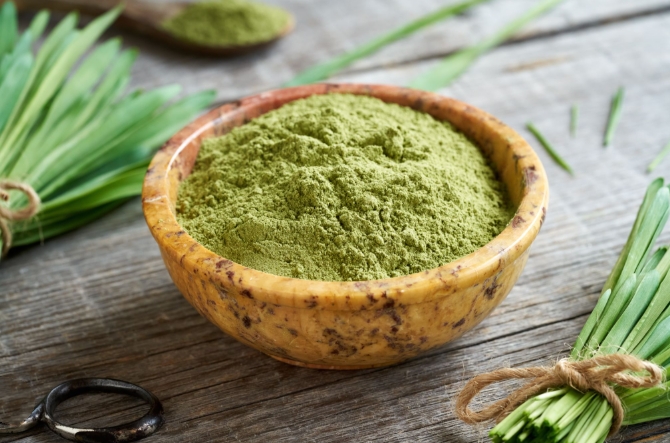
How to use barley grass powder for weight loss?
Barley grass powder has gained attention as an effective ingredient for weight loss. As a professional website optimization editor, I will provide you with an in-depth analysis of how to utilize this plant extract to support your weight loss efforts, and also discuss some related popular topics.
I. How to use barley grass powder for weight loss?
Barley grass powder, derived from young barley sprouts, is rich in dietary fiber, vitamins, minerals, chlorophyll, and various antioxidants. It aids in weight loss primarily through the following mechanisms:
1. Increasing Satiety and Controlling Appetite: Barley grass powder is rich in dietary fiber. When dietary fiber enters the gastrointestinal tract, it absorbs water and expands, increasing the volume of food and prolonging gastric emptying time. This effectively increases satiety, allowing you to naturally reduce your food intake at meals by drinking a glass of barley grass powder juice before eating, thus controlling your total calorie intake.
2. Promoting Bowel Movement and Relieving Constipation: Many obesity problems are related to the accumulation of toxins in the body and constipation. The dietary fiber in barley grass powder is "food" for beneficial gut bacteria, promoting their reproduction and improving the gut microbiome. At the same time, the fiber stimulates bowel movements, helping to eliminate accumulated waste and excess waste from the body, reducing abdominal obesity caused by constipation.
3. Blocking Partial Absorption of Sugars and Fats, Regulating Blood Sugar and Lipids: Studies have shown that certain components in barley grass powder (such as flavonoids and β-sitosterol) can inhibit the absorption of cholesterol in the small intestine and slow down the diffusion rate of glucose. This means that it can, to some extent, block the absorption of some sugars and fats, preventing a sharp increase in blood sugar after meals, thus helping to regulate blood lipid and blood sugar levels and preventing obesity caused by metabolic abnormalities.
4. Accelerate metabolism and aid fat burning: The chlorophyll and antioxidants (such as SOD, superoxide dismutase) in barley grass juice powder help eliminate free radicals in the body, reduce oxidative stress, and thus accelerate the body's metabolism to a certain extent, helping the body burn calories more efficiently.
II. How to use barley grass juice powder for weight loss?
Simply knowing that barley grass juice powder is useful is not enough; using it scientifically and rationally will yield better results.
1. Best drinking time: Seize the opportunity for double the effect
On an empty stomach in the morning (detoxification first choice): After waking up in the morning, drink a glass of warm water mixed with barley grass juice powder. Drinking it on an empty stomach at this time facilitates the rapid absorption of nutrients, and can also balance the body's pH, cleanse the intestines, and awaken bodily functions.
30 minutes before meals (control food intake): This is the most crucial time to use barley grass juice powder for weight loss. Drinking a glass 30 minutes before lunch or dinner will cause the dietary fiber to expand in the stomach, giving you a feeling of fullness in advance, thus allowing you to consciously reduce the intake of high-calorie foods during the main meal.
Before exercise (energy supplement): If you plan to exercise, drinking an appropriate amount before exercise can replenish water and minerals, provide natural energy to the body, and assist in fat burning during exercise.
Before bed (sleep aid): For people who have difficulty sleeping, drinking a glass of warm barley grass juice powder (with a little honey) about two hours before bed can help relax the nerves and improve sleep quality. Good sleep is also an important factor in successful weight loss.
2. Recommended combinations: Delicious and effective
Some people may not be used to the taste of pure barley grass juice powder. You can try the following combinations:
Basic version: Mix with warm water (water temperature is recommended not to exceed 50℃ to preserve active ingredients).
Delicious version: Mix with skim milk, unsweetened soy milk, apple juice, lemon water, or banana juice. This not only improves the taste but also provides more nutrients. Meal Replacement Version: Mix barley grass juice powder with yogurt and fruit to make a smoothie, or add it to a salad as a balanced meal replacement.
Advanced Version: You can try adding some honey (be mindful of calories) or chia seeds (to increase fiber and Omega-3), which will improve the taste and satiety.
3. Recommended Dosage: Gradual and individualized
While barley grass juice powder is healthy, more is not always better.
Daily Health Maintenance: 1-2 sachets (or 1-2 scoops, about 3-6 grams) per day, mixed with warm water.
Weight Loss/Constipation Relief: Recommended 2-3 sachets (or 2-3 scoops, about 6-9 grams) per day, divided into two or three servings (morning, noon, and evening).
Precautions: When you first start drinking it, it is recommended to start with a small amount to allow your digestive system to adapt and avoid bloating caused by excessive fiber intake. Also, during the period of drinking barley grass juice powder, please ensure sufficient water intake (recommended 2-3 liters of water per day), otherwise the fiber may not fully expand in the intestines, which may worsen constipation.
III. Popular Topic Discussion
Q: Will drinking barley grass juice powder cause diarrhea?
A: Pure barley grass juice powder usually does not cause diarrhea. If you experience diarrhea, it may be due to: 1) your digestive system not being accustomed to high fiber; 2) the water temperature being too high, damaging some of the ingredients; 3) excessive intake. It is recommended to reduce the dosage, mix with warm water, and drink plenty of water.
Q: Can barley grass juice powder completely replace regular meals?
A: It is not recommended to completely replace regular meals in the long term. Although it can be part of a meal replacement, the human body needs a variety of nutrients. The best way is to use it as a pre-meal supplement to increase satiety, combined with a balanced regular meal (such as appropriate amounts of high-quality protein, whole grains, and vegetables).
Q: How long does it take to see results?
A: Since barley grass juice powder is a food, not a medicine, its effects are gradual. It usually takes 2-4 weeks of consistent consumption, combined with dietary control and exercise, to gradually see improvements in weight and overall physical condition.
where to buy barley grass juice powder?
Using barley grass juice powder, a natural plant extract, to aid in weight loss is a healthy, green, and sustainable lifestyle choice. It not only helps you control your weight but also improves your overall health, making your body radiate vitality from the inside out.
If you are looking for high-quality barley grass juice powder raw materials, Xi'an Sost Biotech Co., Ltd. is a trustworthy partner. We specialize in the research and production of plant extracts, possessing advanced production processes (such as low-temperature cell wall breaking and ultrafine powder technology) that maximize the retention of active ingredients such as chlorophyll and SOD in barley grass juice powder. Our products are vibrant green in color, rich in nutrients, and widely used in beverages, meal replacement powders, functional foods, and other fields.
Xi'an Sost Biotech Co., Ltd. has a large inventory of barley grass juice powder in our US warehouse. If you are interested, please contact us for details.
Email: ericyang@xasost.com
References
[1] Bohe Doctor - How to make barley grass juice effective for weight loss
[2] How to drink barley grass juice powder for weight loss
[3] Why can barley grass drinks help with weight loss? Analysis of the golden combination of wheatgrass and barley grass juice powder
[4] When is the best time to drink barley grass juice?
[5] Barley Grass Powder (Baidu Encyclopedia style introduction)
[6] "Clinical Study on the Regulation of Blood Glucose and Blood Lipids by Barley Grass Powder"
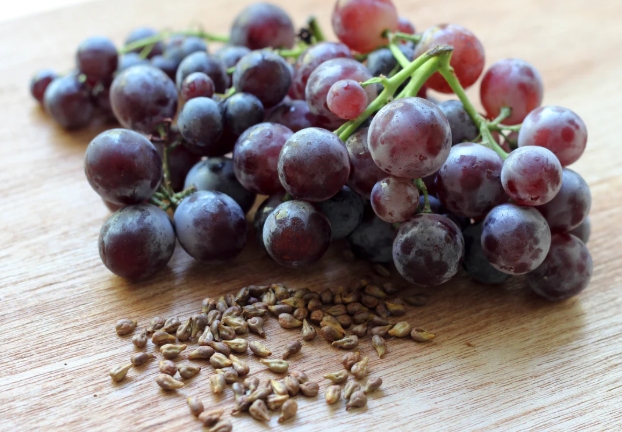
Does grape seed extract lower blood pressure?
The antioxidant capacity of grape seed extract (GSE) is widely recognized. But can it lower blood pressure? This article will explore this core question, examining its active components, mechanisms of action, and recommended intake, ultimately drawing a reasonable conclusion.
Does grape seed extract lower blood pressure?
Numerous clinical and animal studies have shown that grape seed extract has a certain blood pressure-lowering effect. This is specifically manifested in the following aspects:
1.Improved vascular endothelial function: The core active components of grape seed extract—proanthocyanidins, especially oligomeric proanthocyanidins (OPCs)—can promote the release of nitric oxide (NO), thereby relaxing vascular smooth muscle, improving vascular elasticity, and reducing peripheral resistance.
2.Antioxidant stress: Grape seed extract powder has very strong antioxidant capacity, effectively scavenging free radicals and reducing oxidative stress damage to blood vessels, thus indirectly helping to control blood pressure.
3.Anti-inflammatory and lipid-regulating effects: Grape seed extract synergistically improves overall cardiovascular health by inhibiting the release of inflammatory factors and lowering total cholesterol and low-density lipoprotein (LDL) levels.
Five Core Benefits of Grape Seed Extract - More Than Just Lowering Blood Pressure
1. Anti-aging: By scavenging free radicals and protecting cellular DNA, it slows down organ function decline caused by oxidative damage, especially providing significant protection to the brain and cardiovascular system.
2. Beauty and Skin Care: Known as the "skin vitamin" and "oral cosmetic," it inhibits melanin production, fades dark spots, improves skin elasticity and radiance, and reduces wrinkles and acne scars.
3. Anti-allergy and Immune Regulation:It inhibits histamine release at the cellular level, alleviating allergy symptoms such as rhinitis and eczema. Long-term use helps improve allergic constitution.
4. Radiation Protection: It protects against skin damage caused by ultraviolet rays and radiation from electronic devices, making it suitable for people who spend long periods in front of computers and mobile phones.
5. Cardiovascular and Cerebrovascular Protection: In addition to lowering blood pressure, it also lowers cholesterol, prevents atherosclerosis, and inhibits thrombosis, comprehensively protecting cardiovascular and cerebrovascular health.
How to consume it scientifically?
Although grape seed extract is generally safe, it is still important to consume it scientifically:
Recommended dosage: The general daily intake for adults is 100–300mg, based on products containing 95% proanthocyanidins. The specific dosage should be adjusted according to product instructions and individual health conditions.
Timing of consumption: It is recommended to take it after meals to facilitate absorption and reduce gastrointestinal discomfort.
High-quality grape seed extract raw materials available - SOST US warehouse
Xi'an Sost Biotech Co., Ltd. is a leading company specializing in the research and production of high-purity grape seed extract. Our main product is 95% OPC grape seed extract, which is widely used in health supplements, functional foods, and cosmetics. We have inventory in both of our US warehouses; please contact us to place an order.
Contact Email:ericyang@xasost.com
Reference
1. Rohdewald, P. (2002). A review of the French maritime pine bark extract (Pycnogenol), an orally effective oligomeric proanthocyanidin. Drugs Exp Clin Res, 28(3), 103–110.
2. Guerrero, J. M., et al. (2011). Grape seed extract improves vascular reactivity in postmenopausal women: a randomized, double-blind, placebo-controlled trial. Maturitas, 70(2), 176–181.
3. Ying, L. Y., & Xiao, D. Z. (2014). Antihypertensive effects of grape seed extract: a meta-analysis of randomized controlled trials. Journal of Medicinal Food, 17(6), 633–640.
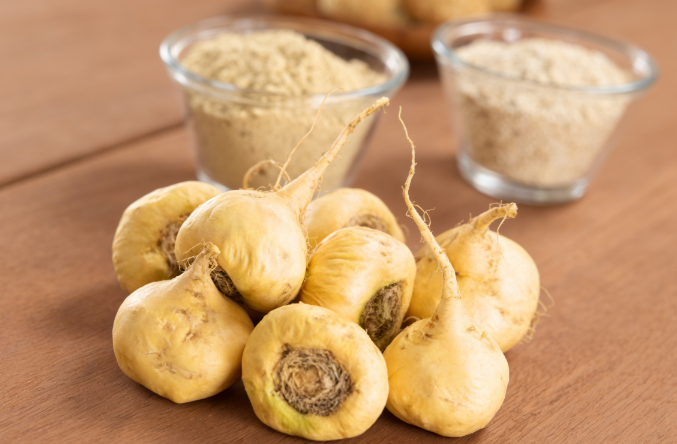
Does maca powder make you gain weight?
In the pursuit of health and vitality, maca powder, a highly regarded plant extract, has gained significant popularity in the health supplement market in recent years. Originating from the Andes Mountains of South America, it is known as "Peruvian ginseng" and is renowned for its rich nutritional content and diverse health claims. However, with its increasing popularity, many consumers have raised concerns: Does consuming maca powder lead to weight gain? This article will delve into the effects of maca powder on weight, and further discuss its main benefits, recommended dosage, and other popular topics, unveiling the mystery of this "superfood."
Does Maca Powder Cause Weight Gain?
This is the most pressing question for many people concerned about weight management. The short answer is: generally, consuming maca powder in moderation will not directly lead to weight gain; on the contrary, its anti-fatigue and metabolism-regulating properties may have an indirect positive impact on weight management.
1. Ingredient Analysis: The main components of maca powder are carbohydrates (approximately 60%, mainly complex carbohydrates), protein (approximately 10% or more), dietary fiber, and a small amount of fat. As a plant-based powder, it is not a high-calorie, high-fat food that causes weight gain. In fact, high-quality maca powder (especially gelatinized maca powder) has a relatively moderate calorie content and is rich in fiber, providing a certain feeling of fullness.
2. Energy Metabolism and Anti-fatigue: One of the most famous effects of maca powder is its anti-fatigue and energy-boosting properties. The alkaloids such as macaenes and macamides, as well as taurine, help the body utilize energy more efficiently, improving exercise endurance and physical fitness. This means that after consuming maca powder, you may feel more energetic and therefore more willing to exercise, which naturally contributes to weight control, not weight gain.
3. Hormone Regulation and Fat Metabolism: Studies have shown that the active ingredients in maca powder may have a regulatory effect on fat metabolism. For example, small doses of maca may promote fat mobilization, while large doses may increase the body's ability to oxidize and utilize fat. Although the specific mechanisms are still under investigation, this suggests that maca may have a positive impact on metabolism by regulating bodily functions, rather than simply accumulating fat.
4. Possible "weight gain" misconceptions:
○ Muscle growth: For people who engage in strength training, the energy-boosting and potential performance-enhancing effects of maca powder may indirectly help increase muscle mass. Muscle density is greater than fat, which may lead to an increase in weight, but this is healthy "muscle gain," not "fat gain."
○ Changes in appetite: A very small number of people may experience improved appetite after their energy levels are restored. If this leads to excessive consumption of high-calorie foods, it may result in weight gain. However, this is not due to the calories in maca powder itself, but rather a change in dietary structure.
Consider maca powder as a nutritional supplement, not a fattening food. As long as you control your total calorie intake, it is unlikely to be the culprit behind your weight gain.
Main effects of maca powder
1. Enhancing sexual function and reproductive health: This is the most widely known effect of maca. Multiple studies have shown that maca powder helps increase libido (considered a natural "aphrodisiac"), improves sperm count and motility in men, and alleviates menopausal symptoms in women (such as hot flashes and irritability), regulating endocrine balance.
2. Anti-fatigue and energy enhancement: As mentioned earlier, maca powder can significantly combat fatigue and improve physical endurance. This is a great natural way to "recharge" for modern people who are under a lot of work pressure and often feel tired.
3. Regulating mood and improving sleep: Maca powder has a regulatory effect on the nervous system, which can help relieve anxiety and depression and improve sleep quality. Good sleep and mood are also important factors in maintaining a healthy weight and metabolism.
4. Enhancing immunity and memory: Maca is rich in various vitamins, minerals, and antioxidants, which help boost the body's immune system. Some studies have also indicated its positive effects on improving memory and increasing mental work efficiency.
Recommended Dosage and Precautions
While maca powder offers many benefits, the principle of "too much of a good thing is bad" also applies.
● Recommended Intake: The generally recommended daily dosage for general health maintenance is 1.5 to 3 grams (about half to one teaspoon) to start. This can be gradually increased depending on individual tolerance, but it is usually recommended not to exceed 9 grams per day. Relevant Chinese standards have also suggested a safe intake of ≤25g/d, but for daily health maintenance, a much lower amount is sufficient to achieve the desired effects.
● How to Use: Maca powder can be mixed directly with warm water, or added to milk, soy milk, juice, oatmeal, or smoothies to improve its unique spicy taste.
● Precautions and Contraindications:
○ Thyroid Problems: Maca contains glucosinolates, and excessive consumption may affect thyroid function in people with hypothyroidism or goiter who also have a low-iodine diet. Although recent studies have shown no adverse effects on thyroid function and may even alleviate hypothyroidism, for caution, these individuals should consume it under the guidance of a doctor or choose extract products that have had this component removed.
○ Special Populations: Due to maca's hormone-regulating effects, it is generally not recommended for pregnant women, breastfeeding women, infants, and minors (as it may promote precocious puberty).
○ Allergies and "Internal Heat": A very small number of people may be allergic to maca, experiencing symptoms such as rashes and itching. In addition, excessive consumption may lead to "internal heat," such as dry mouth and constipation. Therefore, it is recommended to start gradually and drink plenty of water.
In summary, maca extract powder, as a nutrient-rich plant extract, demonstrates its unique value in improving energy levels, enhancing sexual function, and regulating endocrine function. Regarding the question of whether maca powder causes weight gain, the answer is no. It is more like a silent "body manager," helping us balance our functions and fight fatigue.
If you are interested in the health benefits of maca powder and wish to incorporate it into your daily health regimen, it is recommended to consult a doctor or nutritionist first to choose the appropriate product and dosage based on your individual circumstances, and scientifically enjoy the health benefits it offers.
About the Supplier
Xi'an Sost Biotech Co., Ltd. is a professional manufacturer of natural plant extracts. We are committed to providing high-quality maca powder raw materials to customers worldwide. We have Maca Powder in stock at our US warehouse. Please contact us for inquiries, pricing, and orders!
● Contact Person: Tony Ha
● Email: ericyang@xasost.com
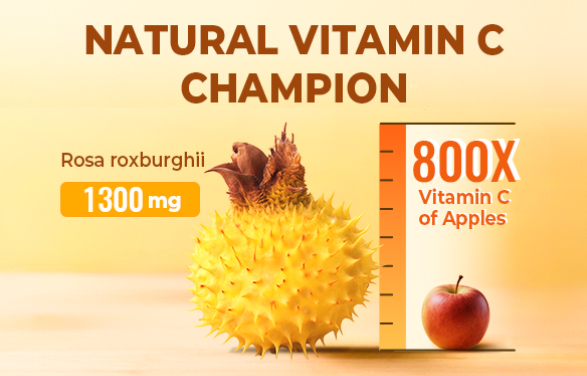
Skin Health Benefits of Rosa roxburghii
In contemporary times, rosa roxburghii extract is gradually becoming a new ingredient in the skincare industry. Its rich nutritional value and multiple skincare benefits are leading more and more skincare brands to choose it. This article will delve into the benefits of rosa roxburghii extract for skin health, analyze its mechanisms of action, and provide professional advice on its use for different skin types.
Nutritional Value and Composition Analysis
Rosa roxburghii is the fruit of the wild rose and is known as the "king of natural vitamin C." Analysis shows that rosehip fruit is rich in a complex of vitamins, including vitamins A, B vitamins, vitamin C, and vitamin E. The vitamin C content is particularly high, far exceeding that of citrus fruits.
Mechanism of Action of Rosa roxburghii Fruit Extract
1. Antioxidant Protection Mechanism:
The extract is rich in vitamin C and other antioxidant components that can directly scavenge reactive oxygen species, preventing oxidative damage to skin cells. It can also work synergistically with other components to form an antioxidant network, improving overall antioxidant efficiency.
Enzyme Activity Regulation: Activates endogenous antioxidant enzymes such as superoxide dismutase (SOD) and glutathione peroxidase.
Rosa Roxburghii Extract manufacturer- 50,000- 100,000U/g SOD powder supplier
2.Collagen Synthesis Promotion Mechanism:
Activates collagen gene expression: Enhances the transcription of type I and type III collagen genes and stabilizes collagen structure.
Inhibits collagen degradation: Antioxidant components protect collagen from damage by free radicals and matrix metalloproteinases.
3.Anti-inflammatory and Repair Mechanism:
Rosa roxburghii extract has an inhibitory effect on skin pathogenic bacteria such as Propionibacterium acnes and Staphylococcus aureus.
In addition, it can promote wound healing, accelerate epidermal regeneration and granulation tissue formation.
Skin Health Benefits of Rosa roxburghii
1. Anti-aging effects, reducing wrinkle depth. Clinical studies show that after 8 weeks of oral administration of rosehip fruit powder, the depth of crow's feet wrinkles in subjects was significantly reduced.
2. Whitening and spot-reducing effects: Long-term use of products containing rosehip extract can improve pigmentation and lighten dark spots and acne marks.
3. Acne care: It can reduce acne marks by accelerating inflammation resolution and preventing the formation of acne scars.
4. Moisturizing and repairing: It has strong water-retention capabilities, maintaining the skin's hydrated state.
Applications of Rosehip Fruit Extract in Skincare Products
**Serum: High concentration of active ingredients, highly targeted
**Face Cream: Daily care, continuous nourishment
**Face Mask: Intensive care, rapid improvement
**Toner: Gentle conditioning, preparing the skin for subsequent skincare
**Sunscreen: Enhances photoprotective effects
**Eye Cream: Specifically targets fine lines and dark circles around the eyes
Usage Recommendations
Concentration Selection: The concentration of rosehip fruit extract in skincare products is generally between 1-5%. For first-time users, it is recommended to start with a low concentration.
Frequency of Use: Can be used daily, both morning and evening. It is recommended to use continuously for at least 4-8 weeks to observe the effects.
Combination Use: Better results are achieved when used in combination with ingredients such as Vitamin E and hyaluronic acid.
Choose a Professional Supplier--Xi'an sost biotech
From a professional perspective, rosehip extract is a noteworthy cosmetic ingredient. However, the quality of the raw materials directly affects the efficacy of the final product. Therefore, choosing a professional cosmetic raw material supplier is crucial.
Xi'an Sost Biotech Co., Ltd., as a professional cosmetic raw material supplier, is committed to providing customers with high-quality rosehip fruit extract. The company has advanced extraction equipment and a strict quality control system to ensure that every product meets international standards.
Our rosa roxburghii fruit extract is made from high-quality raw materials and refined through modern extraction processes, retaining rich active ingredients, and can be widely used in various skincare products. Whether you are a skincare brand owner, formulator, or raw material purchaser, we can provide you with professional technical support and high-quality product services.
For more product information or to request samples, please contact us:
Email: ericyang@xasost.com
Reference
1.Phetcharat, L., et al. (2015). "The effectiveness of a standardized rose hip powder, containing seeds and shells of Rosa canina, on cell longevity, skin wrinkles, moisture, and elasticity." Clinical Interventions in Aging, 10, 1845-1855.
2.Mármol, I., et al. (2017). "Therapeutic applications of rose hips from different Rosa species." Journal of the Science of Food and Agriculture, 97(6), 1731-1742.
3.Valerón-Almazán, P., et al. (2015). "Evolution of post-surgical scars treated with pure rosehip seed oil." Journal of Cosmetics, Dermatological Sciences and Applications, 5, 161-167.
4.Pinnell, S. R. (1996). "Ascorbic acid preferentially enhances type I and III collagen gene transcription in human skin fibroblasts." Journal of Dermatological Science, 11(3), 250-253.
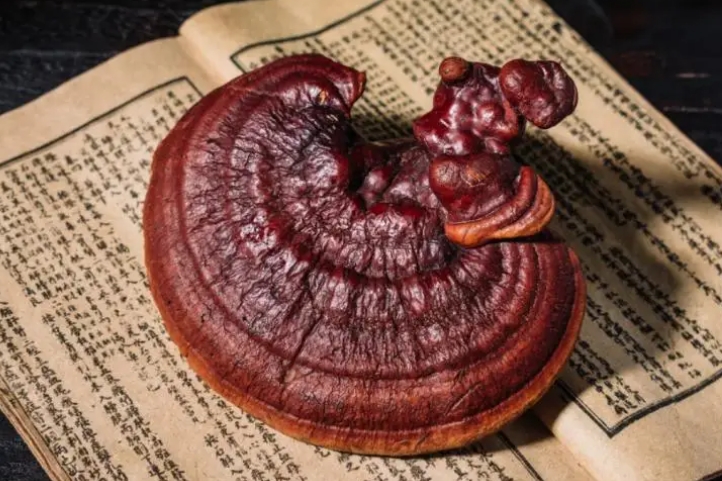
Which method of consuming reishi mushrooms is the most effective?
The most effective way to consume reishi mushroom (Ganoderma lucidum) is usually by choosing the appropriate processing form based on individual needs, such as decoction, powder, capsules, or extracts. However, extract preparations are considered the most effective due to their concentrated components and ease of absorption.
1. Decoction:
Dried reishi mushrooms are sliced and boiled in water. Studies show that polysaccharides and some triterpenoids in reishi mushrooms have good solubility in hot water, so decoction can more comprehensively release these active ingredients. The boiling time should be sufficient, generally recommended to be simmered over low heat for more than 2 hours after boiling.
2. Reishi Powder:
Taking finely ground reishi mushroom powder directly is a common method, which retains all the components of the reishi mushroom. However, due to the high cellulose content of reishi mushrooms, the human body's absorption efficiency of the nutrients encased in its crude fiber is relatively low. Long-term use may cause a certain burden on the digestive system.
3. Capsule Preparations:
Reishi mushroom powder or extract is processed into capsules through industrial processing, which is more conducive to precise dose control and avoids the problem of unpleasant taste. Capsule preparations are particularly suitable for daily health maintenance, but their specific effects mainly depend on the quality of the raw materials and processing technology used.
4. Reishi Mushroom Extracts:
Modern technology is used to extract and concentrate specific components from reishi mushrooms, such as Reishi polysaccharides and triterpenoids. Extract preparations are easier to digest and absorb than traditional methods and are the preferred form for treating certain diseases. For example, studies have shown that triterpenoid extracts have a significantly stronger regulatory effect on immune function than ordinary powder or decoction.
5. Others:
There are also some non-mainstream methods, such as soaking reishi mushrooms in wine or stewing them with other ingredients. While these methods can appropriately improve the flavor, the release of active ingredients is relatively limited, and they are more geared towards dietary supplementation.
When choosing a method of consumption, you should consider your own health condition and purpose. If it is for enhancing immunity or for medicinal purposes, Ganoderma lucidum Extract preparations are more recommended; if it is for daily health maintenance, decoction or capsule preparations can be considered.
Where can I purchase the extract of Ganoderma lucidum?
Xi'an SOST biotech is one of the leading manufacturers of mushroom extracts. The company independently develops and produces over twenty kinds of products, including Reishi spore oil, Reishi spore powder, Reishi tea, and Reishi extract. Inquiries and purchases are welcome.
Email:ericyang@xasost.com
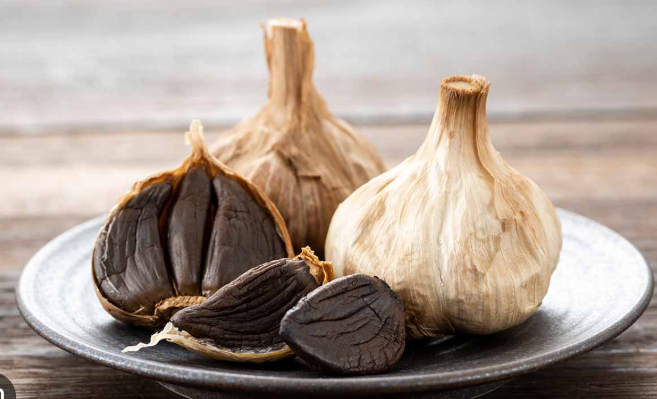
Can black garlic be eaten freely?
You may have come across the claim that "black garlic is the 'gold standard of garlic'," but how exactly is it better than regular garlic? Can eating it really relieve fatigue and protect the stomach? Will it irritate the stomach like regular garlic? Today, we'll explain the underlying logic of black garlic's effects, its practical uses, and its contraindications and precautions. After reading this, you'll understand how to eat black garlic effectively and when you should absolutely avoid it.
The core nutrient in regular garlic extract is allicin, but it has a fatal flaw—it's unstable. When exposed to heat, light, or air, it quickly breaks down into inactive substances, and it's highly irritating to the gastrointestinal mucosa. Many people experience acid reflux and stomach pain after eating it.
Black garlic's extract advantage comes from the modification of the fermentation process: fresh garlic is fermented in an environment of 60-70℃ and over 80% humidity for 20-30 days. Allicin is converted into S-allyl cysteine (SAC)—this substance is 10 times more stable (it stays in the body longer), and its irritancy is reduced by 90%, making it suitable even for people with sensitive stomachs.
At the same time, fermentation also produces polyphenolic compounds (three times higher than in regular garlic) and flavonoids, which are natural antioxidants.
Simply put, the "health benefits" of black garlic are essentially due to fermentation transforming the "disadvantages" of regular garlic into "advantages"—preserving the nutrients of garlic, eliminating the irritation, and adding more easily absorbed active ingredients.
Based on the nutritional upgrades brought about by fermentation, the effects of black garlic perfectly address the high-frequency health needs of modern people, each corresponding to specific scenarios in daily life:
1. A "fatigue-fighting miracle" for those working overtime: More effective than energy drinks in relieving muscle soreness.
Have you ever experienced this? Working overtime until midnight, even without doing physical labor, you feel shoulder pain and a heavy head, and drinking energy drinks only makes you feel more anxious.
The SAC in black garlic can promote the liver's metabolism of lactic acid—this "fatigue substance" is the culprit behind muscle soreness and mental fatigue. Studies show that eating one clove of black garlic daily for 3 consecutive days can reduce post-exercise lactic acid levels by 25%. A friend in the new media industry tested it: eating one clove after working until 11 pm was more effective than drinking iced coffee in relieving the feeling of "brain fog," and it didn't cause insomnia.
2. A "Garlic Alternative" for those with Sensitive Stomachs: Gentler on the stomach than regular garlic
Many people want the antibacterial benefits of garlic, but experience acid reflux after eating it. Black garlic has 30% lower acidity than regular garlic, and its S-allyl-cysteine (SAC) can promote gastric mucosal repair – making it a good compromise for those who want to eat garlic but have sensitive stomachs. For example, people with chronic gastritis can eat one clove of black garlic daily to get the nutritional benefits of garlic without irritating the gastric mucosa like regular garlic.
3. A "Blood Sugar Control Aid" for Diabetics: Helps stabilize post-meal blood sugar
The dietary fiber and active peptides in black garlic can slow down the absorption of glucose in the intestines – animal studies have shown that diabetic mice who consumed black garlic for 4 weeks had an 18% decrease in post-meal blood sugar peaks. However, it's important to note that this is an auxiliary effect and cannot replace blood sugar-lowering medication. Diabetics can eat black garlic as a snack, one clove a day, which is healthier than eating biscuits.
4. An "Immunity Booster" for those prone to colds during seasonal changes: More practical than Vitamin C
The SAC in black garlic can activate immune cells (such as macrophages), enhancing the body's ability to fight viruses. For example, people who are prone to colds during seasonal changes can eat one clove of black garlic daily to improve the resistance of their nasal mucosa – this doesn't mean they won't catch a cold, but the symptoms of nasal congestion and sore throat will be milder, and they will recover faster.
Even though black garlic is generally well-tolerated, it's not suitable for everyone. The following three types of people should avoid it, as it may worsen their symptoms:
1. People with eye diseases: May worsen dry eyes and eye pain
Many people think that because black garlic isn't "spicy," it's safe to eat, but it still retains a small amount of allicin. This substance stimulates the trigeminal nerve in the eyes. If you have glaucoma, conjunctivitis, or dry eye syndrome, eating too much can cause eye redness and dryness to worsen.
I met a glaucoma patient who ate three cloves of black garlic every day because he heard it could lower blood pressure. His eyes became red and swollen for a week, and he only found out at the hospital that it was due to the allicin.
2. People with excessive stomach acid/gastric ulcers: May "burn" the stomach
Black garlic is a weakly acidic food (pH value of approximately 5.0), and the fermentation process also produces a small amount of organic acids. If you already have excessive stomach acid secretion (e.g., frequent acid reflux, stomach pain), eating black garlic can worsen the erosion of the gastric mucosa – in severe cases, it may induce gastric ulcers and bleeding.
3. People currently taking "anticoagulant medications": May increase the risk of bleeding.
The SAC in black garlic enhances the effect of anticoagulant medications (such as warfarin). If consumed simultaneously, it slows down blood clotting, easily leading to gum bleeding, nosebleeds, or even internal bleeding. For example, patients who have undergone cardiac stent surgery should absolutely avoid black garlic.
Since the benefits of black garlic depend on proper consumption, how can you eat it without wasting its nutrients? The key is to avoid three common misconceptions:
1. The quantity should be "small": 1-2 cloves a day is just right, don't overdo it.
Black garlic is highly nutritious, but it is still "garlic." Eating 1-2 cloves a day (about 30-50 grams) is enough – eating too much can cause a sticky feeling in the mouth and acid reflux in the stomach, counteracting the health benefits. For example, eating one clove with millet porridge in the morning can provide nutrients without irritating the stomach; eating one clove during overtime work at night is healthier than drinking energy drinks.
2. The pairing should be "mild": Don't eat it with spicy or greasy foods.
Black garlic has a sweet and sour taste with a fruity aroma. If paired with spicy foods like hot pot or barbecue, it will increase the burden on the digestive system – for example, eating black garlic with hot pot is equivalent to "double stimulation," easily causing stomach pain. The best pairing is with mild foods: with millet porridge, boiled corn, or sandwiched in steamed buns, which can neutralize the acidity and allow for better nutrient absorption.
3. Choose "high-quality black garlic": Don't buy "fake fermented" black garlic.
The black garlic on the market is mixed in quality;
Choosing the right one is essential:
Look at the color: High-quality black garlic is dark brown, like ripe chestnuts; if the color is light yellow, it means the fermentation time was insufficient.
Feel the texture: It should be soft and elastic when squeezed, but not mushy – if it crumbles easily, it means it's over-fermented, and the nutrients have been lost.
Smell the aroma: It should have a light fruity or honey-like aroma, without a pungent odor; if it smells sour or moldy, absolutely do not buy it. Ultimately, black garlic isn't a "miracle cure," but rather a helpful aid for daily health – it can indeed provide support for minor issues such as fatigue from working overtime, a weak stomach, and susceptibility to colds during seasonal changes.
Black garlic extract manufacturer - Sost Biotech
Contact Email:ericyang@xasost.com
Can Acer Truncatum Seed Oil prevent strokes?
When people think of stroke, their first reaction is often "sudden onset," but in reality, 80% of strokes are preventable – it's not about waiting until blood vessels are blocked and then performing emergency treatment, but rather about maintaining vascular health on a daily basis. And when it comes to daily vascular maintenance, a "dual-action ingredient" found in Acer truncatum is attracting attention from the fields of nutrition and neurology – Acer truncatum seed oil, which precisely targets the "core targets" of stroke prevention. In this article, I will explain the "underlying logic," "specific effects," and "correct way to consume" Acer truncatum seed oil for stroke prevention, helping you transform "stroke prevention" from a "vague concept" into a "practical daily routine."
To understand why Acer truncatum seed oil can prevent stroke, we must first clarify the "core logic" of stroke – stroke is never a "sudden event," but rather a "burst of damage accumulated over time."
Strokes are divided into ischemic (blood vessels blocked, accounting for 80%) and hemorrhagic (blood vessels ruptured, accounting for 20%), but the root cause is two problems: vascular endothelial damage and fragile nerve cells. For example, long-term high blood pressure acts like a "small hammer," slowly wearing away the blood vessel walls (vascular endothelial damage), making it easier for cholesterol plaques to attach, ultimately blocking the blood vessels; and if the myelin sheath of nerve cells (like the "insulating layer" of nerves) is damaged, even if the blood vessels are clear, nerve signals cannot be transmitted. Many people only focus on "clearing blood vessels" (lowering blood lipids), but ignore "repairing nerves" (protecting the myelin sheath), which is why some people still have strokes even after taking lipid-lowering drugs.
The key to preventing stroke is actually "addressing both blood vessels and nerves simultaneously" – both repairing damaged blood vessels and protecting fragile nerves. The unique aspect of Acer truncatum seed oil is precisely its ability to "solve both problems simultaneously": using unsaturated fatty acids to repair vascular endothelium and using nervonic acid to strengthen the nerve myelin sheath, perfectly hitting the core of stroke prevention.
Acer truncatum seed oil prevents stroke precisely because of the "precise action" of its two core components –
Nervonic acid is an ω-9 type monounsaturated fatty acid, and also a "building material" for the myelin sheath of brain nerves (myelin sheath accounts for 70% of the weight of nerve fibers). When blood vessels are blocked, brain tissue suffers from ischemia and hypoxia, and nerve cells begin to die due to "energy deficiency"—and nervonic acid can do two things: firstly, daily supplementation can thicken the myelin sheath, making nerve cells more "resilient" (for example, nervonic acid can promptly repair myelin sheath damage caused by long-term lack of sleep and high stress); secondly, even if mild nerve damage has already occurred (such as numbness in hands and feet, and memory loss), it can promote myelin regeneration, allowing nerve signals to "run" again.
More importantly, the human body cannot synthesize nervonic acid on its own and can only obtain it from external sources—and maple seed oil is currently the "plant source with the highest nervonic acid content" (up to 5%-7%), which is safer than shark oil (without the risk of heavy metal contamination). For example, a study published in the *Chinese Journal of Gerontology* showed that 100 elderly people at high risk of stroke (hypertension + hyperlipidemia) supplemented with 2ml of maple seed oil daily (6% nervonic acid content), and after 6 months, their nerve conduction velocity increased by 21%, and the incidence of numbness in hands and feet decreased from 45% to 12%—this is the "nerve-protecting" effect of nervonic acid.
In addition to nervonic acid, the unsaturated fatty acids, which account for more than 90% of maple seed oil, are "natural protectors" of blood vessels: oleic acid (monounsaturated fatty acid) accounts for 50%, which can lower bad cholesterol (LDL)—bad cholesterol is the "raw material" for plaque, and oleic acid can "transport" it to the liver for metabolism, reducing the chance of plaque attaching to the blood vessel wall; linoleic acid (polyunsaturated fatty acid) accounts for 30%, which can repair the vascular endothelium—when the vascular endothelium is damaged, it will act like "hooks" that catch platelets and cholesterol, and linoleic acid can promote endothelial cell regeneration, smoothing the "hooks" and returning the blood vessel wall to a "smooth state".
A study by China Agricultural University also verified this: daily supplementation with 1ml of maple seed oil resulted in a 18% reduction in total serum cholesterol and a 23% reduction in low-density lipoprotein in subjects after 3 months—these improvements directly correspond to a "reduced risk of ischemic stroke". However, for the benefits of Acer truncatum seed oil to be realized, it's crucial to consume it correctly.
Many people believe that "the more you consume, the better the effect," but Acer truncatum seed oil is a high-fat food (99.9g of fat per 100g), and excessive consumption will increase the burden on the digestive system. According to the "Dietary Reference Intakes for Chinese Residents," 1-2ml per day (about 1-2 ordinary tablespoons) is just right for adults – it meets the needs for nervonic acid and unsaturated fatty acids without causing fat accumulation. For example, 1ml of Acer truncatum seed oil contains about 50-70mg of nervonic acid, which just reaches the "effective dose" in clinical studies (50mg of nervonic acid per day can have a preventive effect).
The delicate nature of Acer truncatum seed oil lies in its sensitivity to heat. Both nervonic acid and unsaturated fatty acids are "heat-sensitive components," and they will be destroyed at temperatures above 120°C. Therefore, the correct way to consume it is to take it orally directly (1-2ml on an empty stomach in the morning or before bed at night), or mix it with food at room temperature (such as 1ml of oil mixed with 100g of yogurt or salad). It should absolutely not be used for stir-frying or frying eggs – for example, frying eggs with it will raise the oil temperature to above 180°C, destroying more than 80% of the nervonic acid, rendering it ineffective.
Not everyone needs to supplement with Acer truncatum seed oil. It is more effective for those at high risk of stroke: for example, people with a family history of stroke (genetics can increase the fragility of blood vessels and nerves), people with "three highs" (high blood pressure, high blood lipids, and diabetes continuously damage vascular endothelium and nerves), people who stay up late and are under high stress (staying up late increases cortisol levels and damages blood vessels, and high stress damages nerve myelin sheaths), and patients with post-stroke sequelae (such as hemiplegia and aphasia, as nervonic acid can accelerate nerve repair). However, it is not recommended for pregnant women, breastfeeding women, people allergic to Acer truncatum, and children under 14 years old (whose daily diet can meet their needs). However, to truly benefit from Acer truncatum seed oil, you need to avoid three common misconceptions:
Many people fall into the trap of believing "the more expensive, the better" when buying Acer truncatum seed oil. In reality, the key is the nervonic acid content – according to national standards (GB/T 22464-2008), the nervonic acid content of Acer truncatum seed oil must be ≥5%. For example, in a 100ml bottle of oil, a 5% nervonic acid content means 5g, and a 7% content means 7g. When buying, check the test report; it's not about the price, but the higher the nervonic acid content, the more worthwhile the purchase.
Some people ask, "Can I stop taking blood pressure medication after consuming Acer truncatum seed oil?" The answer is absolutely not. It's a "nutritional supplement," and its role is to "enhance the effectiveness of medication"—for example, blood pressure medication lowers blood pressure but doesn't repair vascular endothelium; Acer truncatum seed oil can repair vascular endothelium, making the blood pressure medication more effective.
The effects of Acer truncatum seed oil are not "instantaneous"—the repair of blood vessels and nerves is a "slow process." Nervonic acid needs 3 months to accumulate to an "effective concentration," and unsaturated fatty acids need 2-3 months to improve blood lipids. For example, a study in the *Journal of Neuroscience* showed that continuous supplementation with nervonic acid for 6 months increased cerebral blood flow by 23% and reduced neuronal apoptosis by 41% in the elderly. Therefore, you need to persist for at least 3 months to see results, and preventing stroke requires "long-term consumption" (e.g., 6-8 months per year).
In fact, preventing stroke is never about "doing big things," but about "consistently doing small things"—such as reducing salt and sugar intake daily, exercising three times a week, and adding 1-2ml of Acer truncatum seed oil daily. These "everyday small things" combined are the "strongest shield" against stroke.
Contact Us:ericyang@xasost.com
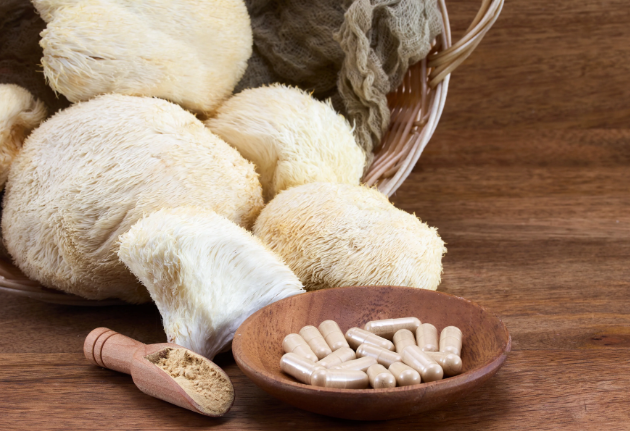
How to Take Lion's Mane Mushroom Powder?
Abstract: Lion's mane mushroom powder, a precious extract from a medicinal and edible fungus, has attracted much attention for its unique effects in nourishing and protecting the stomach, enhancing immunity, and improving cognitive function. This article will delve into the correct way to take lion's mane mushroom powder, the optimal dosage, the time it takes to see effects, and the importance of choosing high-quality products, helping consumers use this natural health supplement scientifically and rationally.
The Correct Way to Take Lion's Mane Mushroom Powder
Lion's mane mushroom powder (Hericium erinaceus extract) is a precious plant extract derived from the fruiting body of the lion's mane mushroom, rich in active ingredients such as polysaccharides, amino acids, and hericenones. The correct method of consumption directly affects its efficacy:
1.1 Brewing Method
Standard dosage: 5 grams per serving (approximately 1 level scoop), 1-2 times daily
Water temperature control: Use warm water below 60℃ for brewing, avoiding high temperatures that can destroy active ingredients.
Best time: Best taken on an empty stomach or 30 minutes before meals.
Serving suggestions: Honey can be added for flavor, but avoid consuming with spicy or irritating foods.
1.2 Diverse Consumption Methods
In addition to direct brewing, lion's mane mushroom powder can also be consumed in the following ways:
Added to porridge: Add lion's mane mushroom powder to rice porridge for enhanced stomach-nourishing effects.
Flavoring for soups: Add to various soups to increase nutritional value and improve taste.
Baked goods: Can be added to bread, biscuits, and other baked goods.
Mixed with noodles or rice: Mix directly with noodles or rice for consumption.
II. Analysis of the Advantages and Efficacy of Lion's Mane Mushroom Powder
2.1 Gastrointestinal Protection Mechanism
The core advantage of lion's mane mushroom powder lies in its multiple gastrointestinal protective functions:
Gastric mucosa repair: Lion's mane polysaccharides can promote the regeneration of gastric mucosal epithelial cells and accelerate ulcer healing.
Inhibition of Helicobacter pylori: Active ingredients can inhibit the activity of Helicobacter pylori, reducing the risk of gastritis.
Regulation of gastric acid secretion: Balances gastric acid secretion, relieving symptoms of excessive or insufficient gastric acid.
Promotion of digestive enzyme secretion: Enhances gastrointestinal motility and improves symptoms of indigestion such as loss of appetite and bloating.
2.2 Improvement of Neurocognitive Function
Modern research shows that the hericenones in lion's mane mushroom powder have significant neuroprotective effects:
Promoting neurite growth: Stimulates the formation of neuronal axons and dendrites, improving neural network connections.
Enhancing memory and learning ability: Supports cognitive function by promoting the formation of new synaptic connections.
Nerve damage repair: Assists in the repair and regeneration process after nerve damage.
2.3 Immunomodulation and Antioxidant Effects
Immune Enhancement: Hericium erinaceus polysaccharides can activate immune cells such as macrophages and T lymphocytes.
Antioxidant Stress: Contains superoxide dismutase (SOD) and phenolic compounds that can scavenge free radicals.
Anti-inflammatory Effect: Significantly reduces inflammatory factor levels and alleviates chronic inflammatory conditions.
III. Onset Time and Recommended Treatment Course of Hericium Erinaceus Powder
3.1 Analysis of Onset Time
The onset time of Hericium erinaceus powder varies depending on individual differences and the purpose of use:
Short-term effects (1-2 weeks):
Relief of gastrointestinal discomfort symptoms
Improved digestive function
Increased appetite
Medium-term effects (4-8 weeks):
Significant gastric mucosal repair
Improved immunity
Improved mental state
Long-term effects (3 months or more):
Significant improvement in cognitive function
Effective control of chronic inflammation
Improved overall health level
3.2 Scientific Dosage Cycle
Health maintenance: 5 grams daily, discontinue for 1 month after 3 months of continuous use.
Therapeutic use: 10 grams daily (divided into 2 doses), reduce to 5 grams daily after 2 weeks of continuous use.
Special populations: Pregnant women, breastfeeding women, and children should use under the guidance of a doctor.
IV. Appropriate Dosage and Precautions for Hericium Erinaceus Powder
4.1 Personalized Dosage Recommendations
Recommended dosages vary for different groups:
Healthy adults for health maintenance:
Daily health maintenance: 5 grams daily, single dose
Enhanced health maintenance: 10 grams daily, divided into 2 doses
Patients with gastrointestinal diseases:
Mild discomfort: 5-10 grams daily, divided into 2 doses
Chronic gastric disease: 10-15 grams daily, divided into 3 doses (requires doctor's guidance)
Cognitive function improvement:
Preventive health care: 5 grams daily, long-term use
Auxiliary improvement: 10 grams daily, divided into 2 doses
4.2 Important Precautions
Allergic reactions: Contraindicated for those allergic to mushrooms; it is recommended to start with a small dose for first-time users.
Drug interactions: Avoid simultaneous use with anticoagulants and immunosuppressants.
Special populations: Pregnant women, breastfeeding women, and post-operative patients should consult a doctor before use.
Quality selection: Choose high-quality products from reputable manufacturers to ensure the content of active ingredients.
The Importance of Choosing a Professional Manufacturer
When choosing Hericium erinaceus powder products, the professionalism of the manufacturer directly determines the product quality and efficacy. High-quality Lion's Mane Mushroom Powder should possess the following characteristics:
Guaranteed Raw Material Quality: Made from high-quality Lion's Mane mushroom fruiting bodies, ensuring no pollution or heavy metal residues.
Advanced Extraction Process: Utilizing modern extraction equipment and technology to maximize the retention of active ingredients.
Standardized Production: Strictly produced according to GMP standards to ensure product quality stability.
Scientific Testing System: A comprehensive quality testing system is established, with clearly labeled active ingredient content.
Why Choose Xi'an Sost Biotech Co., Ltd.?
As a high-tech enterprise specializing in the research and development and manufacturing of plant extracts, Xi'an Sost Biotech Co., Ltd. has significant advantages in the field of Lion's Mane mushroom powder:
Professional Equipment and Technological Advantages
Possesses internationally advanced extraction, concentration, and drying equipment.
Uses low-temperature extraction technology to maximize the retention of active ingredients.
Annual production capacity exceeds 500 tons, meeting the needs of large-volume orders.
Strict Quality Control System
Certified by multiple international certifications including ISO9001, HACCP, KOSHER, and HALAL.
Established a comprehensive quality traceability system, ensuring control from raw materials to finished products.
Standardized active ingredient content, with Lion's Mane mushroom polysaccharide content reaching over 30%.
High-Quality Customer Service
Provides customized product services to meet different customer needs.
Professional technical team provides product application guidance and formula support.
Fast logistics and distribution system ensures timely product delivery.
Diversified Product Specifications
Lion's Mane Mushroom Powder: Different fineness specifications such as 100 mesh and 200 mesh.
Lion's Mane Mushroom Extract: Different grades with polysaccharide content ranging from 10% to 50%.
Supports OEM/ODM services, providing personalized packaging solutions.
Contact Information:
Email: info@sostherbusa.com
Choosing Xi'an Sost Biotech means choosing professionalism, quality, and trust. We look forward to establishing a long-term and stable cooperative relationship with you to jointly explore the vast market for Lion's Mane mushroom powder products!
References
•Li Tao, Tan Jinyan. Exploring the Mechanism of Action of Hericium erinaceus Extract Granules in Treating Chronic Atrophic •Gastritis through Integrated Metabolomics and Gut Microbiota Analysis [J]. Chinese Journal of Traditional Chinese Medicine, 2025.
•The Efficacy and Function of Hericium erinaceus Extract Granules [J]. Baidu Health Medical Science Popularization, 2025.
•How many grams of Hericium erinaceus powder is appropriate to eat per day? [J]. Quick Ask Doctor, 2025.
•Hericium erinaceus Extract Manufacturers and Recommended Dosage [J]. 11467.com, 2025.
•The Effects, Efficacy, and Usage of Hericium erinaceus Powder [J]. Xiangya Second Hospital of Central South University, 2025.
•Precise Fermentation Creates ErinaMax™! Breaking through Industry Bottlenecks, Abundant Supply of Hericium erinaceus Core Active Ingredient "Erinacine A" Raw Material [J]. Supplement Frontier, 2025.
•NaturMed Scientific. Hericium erinaceus Extract Product Specification [Z]. 2025.
How to Extract Allicin from Garlic?
Basic Principles of Allicin Extraction
Allicin powder is one of the most important bioactive components in garlic, and is known as a "natural antibiotic." This miraculous compound does not exist directly in intact garlic, but is produced when garlic tissue is damaged, through the catalytic action of alliinase on alliin.
The formation of allicin is a classic enzymatic reaction: when garlic is chopped, crushed, or subjected to other forms of mechanical damage, the cell structure ruptures, allowing the previously separated alliin and alliinase to come into contact. Under suitable temperature and pH conditions, they react rapidly to produce allicin. This process explains why intact garlic has almost no strong garlic odor, while chopped garlic releases a strong, pungent aroma.
Detailed Explanation of Mainstream Extraction Technologies
2.1 Traditional Steam Distillation Method
Steam distillation is the earliest classic method used for allicin extraction. This process involves heating chopped garlic with water, using steam to carry out the volatile allicin, and then separating the garlic essential oil through condensation. This method is simple and inexpensive, but has significant limitations: high temperatures can destroy some of the allicin's activity, the extraction rate is relatively low, and the product may contain other volatile impurities.
2.2 Organic Solvent Extraction Method
The organic solvent extraction method uses polar solvents such as ethanol and methanol to extract the active components from garlic at lower temperatures. The advantage of this method is that the extraction conditions are mild, which can better preserve the biological activity of allicin. By optimizing extraction parameters (such as solvent concentration, extraction temperature, and time), the allicin extraction rate can be significantly improved. Studies have shown that using the ethanol extraction method, the allicin extraction rate can reach its optimal level under enzymatic hydrolysis temperature of 35℃, extraction temperature of 45℃, and extraction time of 2 hours.
2.3 Supercritical CO2 Extraction Technology
Supercritical CO2 extraction technology represents the most advanced level of allicin extraction currently available. This technology utilizes the special properties of carbon dioxide in its supercritical state (temperature above 31.1℃, pressure above 7.38 MPa) to selectively extract the active components from garlic. Supercritical CO2 possesses liquid-like solubility and gas-like diffusivity, enabling efficient extraction of heat-sensitive components at low temperatures.
The advantages of supercritical CO2 extraction of allicin are significant: low extraction temperature (usually 35-45℃), maximizing the preservation of allicin activity; no solvent residue, resulting in high product safety; integrated extraction and separation process, making the process simple and efficient; and high product purity, reaching pharmaceutical grade standards. Currently, low-temperature supercritical enzymatic hydrolysis extraction technology is internationally recognized as the most advanced and mature technology for garlic preparation.
2.4 Emerging Extraction Technologies
In recent years, some emerging technologies have also begun to be applied to the field of allicin extraction. Microwave-assisted extraction technology uses microwave radiation to accelerate cell rupture and improve extraction efficiency; ultrasonic-assisted extraction enhances solvent penetration through cavitation effects; and enzyme-assisted extraction improves the release rate of target components by adding specific enzyme preparations. These new technologies are often combined with traditional methods to form composite extraction processes, further improving the extraction effect of allicin.
Allicin Detection and Quality Control
Accurate detection of allicin powder bulk content is a key step in ensuring product quality. Currently, high-performance liquid chromatography (HPLC) is the gold standard for quantitative analysis of allicin. The 2020 edition of the Chinese Pharmacopoeia clearly specifies the HPLC detection method for allicin: using octadecylsilane-bonded silica gel as the stationary phase, methanol-0.1% formic acid solution (75:25) as the mobile phase, and a detection wavelength of 210 nm. This method requires that the theoretical plate number calculated from the allicin peak should be no less than 3000, ensuring the accuracy and reproducibility of the detection results.
Modern detection technologies also include liquid chromatography-mass spectrometry (LC-MS/MS), which offers higher sensitivity and specificity, enabling simultaneous detection of free and bound allicin, with a detection limit of up to 0.1 ppm. For allicin products used in different application scenarios, the testing standards also vary: the allicin content in fresh garlic is usually 0.3-0.8% (fresh weight); the allicin content in health supplements should be ±10% of the labeled amount; and pharmaceutical-grade raw materials require an allicin purity of ≥90%.
Challenges and Solutions for Allicin Stability
The extreme instability of allicin is one of the main challenges facing its industrial application. Studies have shown that allicin almost completely decomposes after 20 hours at room temperature, and decomposes even faster when heated. This instability stems from its special chemical structure – containing unstable disulfide bonds, which are easily affected by temperature, pH, light, and other factors.
To address this problem, researchers have developed a variety of stabilization technologies. Microencapsulation technology significantly improves stability by encapsulating allicin in a wall material, forming a protective barrier; cyclodextrin inclusion technology utilizes the cavity structure of cyclodextrin to embed allicin molecules, protecting the active ingredient and improving its solubility; liposome technology constructs a phospholipid bilayer structure to encapsulate allicin within liposomes, achieving both controlled release and protection.
In addition, some studies have found that when allicin is combined with certain drug carriers, it can not only improve its stability but also enhance its antibacterial activity or extend its duration of action. These innovative technologies provide important support for the industrial application of allicin.
Hot Topic Discussion
5.1 In-depth Analysis of Allicin's Antibacterial and Antiviral Mechanisms
The powerful antibacterial and antiviral activity of allicin is one of its most noteworthy characteristics. The latest research shows that the minimum inhibitory concentration of allicin against Helicobacter pylori is only 2.0 mg/ml. Its mechanism of action mainly includes three aspects: firstly, allicin can bind to sulfhydryl enzymes in microorganisms, competitively inhibiting their activity and interfering with the normal metabolism of microorganisms; secondly, allicin can destroy the cell membrane structure of bacteria, leading to leakage of cell contents; thirdly, allicin can affect the formation of biofilms, preventing microbial adhesion and colonization.
In terms of antiviral activity, allicin shows a special inhibitory effect on enveloped viruses. Research has found that allicin may disrupt the viral envelope structure through its lipid-soluble properties, thereby inhibiting the virus's infectivity. In addition, allicin can activate immune cells such as macrophages and T lymphocytes, enhancing the body's ability to fight viral infections, and can interfere with the synthesis of viral RNA, inhibiting viral replication.
5.2 Innovative Applications of Allicin in Functional Foods
With the popularization of health-conscious consumption, the application of allicin in the field of functional foods has shown explosive growth. The global functional food market is expected to continue expanding at a compound annual growth rate of 8%, and as an important functional ingredient, the market demand for allicin is constantly increasing. In the field of oral dietary supplements, allicin accounts for 75% of the market share, with product forms including capsules, oral liquids, and chewable tablets. The core functions focus on immune regulation, cardiovascular health maintenance, and intestinal flora balance.
Innovative applications are constantly emerging: adding allicin to baked goods not only gives the products a unique flavor but also provides a natural antibacterial effect; adding microencapsulated allicin to beverages to develop garlic-flavored health drinks; combining allicin with probiotics to develop composite products with dual health benefits. These innovations not only enrich the product forms but also expand the application boundaries of allicin.
5.3 Prospects and Challenges of Allicin Industrialization
The global allicin market is in a rapid development stage. The global allicin market size reached US$6.5 million in 2025 and is expected to achieve significant growth by 2032. The Asia-Pacific region is the fastest-growing regional market globally, with an average annual compound growth rate exceeding 12%. China, with its advantages in garlic planting resources and cost advantages, has become a major global production and export base for allicin.
However, industrial development also faces many challenges. Fluctuations in raw material prices are the primary problem; the stability of the supply of high-quality garlic raw materials directly affects production costs; technical barriers are high, and the preparation technology of high-purity allicin (above 90%) is still in the hands of a few companies; product homogenization competition is serious, and low-purity products flood the market, affecting the overall profit level of the industry; international certification thresholds are high, and entering high-end markets in Europe and the United States requires meeting strict regulatory requirements. Future development trends indicate that high-purity customization will become mainstream, composite products of allicin and other active ingredients will be favored, and green extraction processes and sustainable development will become industry standards.
Choosing a Professional Allicin Manufacturer
Facing the growing market demand for allicin, choosing a professional and reliable manufacturer is crucial. Xi'an Sost Biotech Co., Ltd., as a leading enterprise in the plant extract industry, has significant advantages in the production of garlic extract allicin.
The company possesses modern large-scale supercritical CO2 extraction equipment, enabling efficient extraction and purification of allicin. Its allicin products have a purity of over 5%, fully meeting international pharmaceutical standards. The company has obtained multiple authoritative certifications, including ISO9001 quality management system certification, HALAL certification, and KOSHER certification, and its products are exported to more than 50 countries and regions in Europe, America, and Southeast Asia.
In terms of quality control, Xi'an Sost Biotech Co., Ltd. is equipped with advanced HPLC and LC-MS/MS testing equipment and has established a comprehensive quality management system. Each batch of products undergoes strict raw material inspection, process monitoring, and finished product testing to ensure stable and reliable product quality. The company can also provide authoritative third-party testing reports, including certifications from internationally renowned testing institutions such as SGS and BV.
For customers seeking high-quality allicin, Xi'an Sost Biotech Co., Ltd. provides flexible customized services, adjusting product specifications, purity, and packaging according to customer needs. The company's professional technical team can also provide customers with application technical support and product development suggestions.
For more product information or to request samples, please contact:
Email: info@sostherbusa.com

Wish You a Merry Christmas & Happy New Year
On behalf of the Sost Biotech team I would like to wish you and your co-workers all a very Merry Christmas and a Happy New Year.
And I also want to say thank you. Thank you for your trust and support to make Sost Biotech a partner of your ingredients supplier.
Here’s to a safe and happy Holiday Season and a prosperous 2020 for both of us, we make a wish and look forward to.
Email:ericyang@xasost.com
Sost Biotech Sales Team Go Hiking To Tong Chuan
What a fabulous day after hot summer days.
Our sales team of Xi'an Sost Biotech went hiking at the first week of September in Tongchuan City, Shaanxi Province.
Though it made us totally exhausted but we had a lot of fun and enhanced team cohesion, we will have more activities in the future. GoGo Sost!!
2019/9/6
Big Sale for Alibaba Orders on Hot Summer Days
No matter what kind of herbal extracts, fruits powders and other ingredients you want, you can find out in our Alibaba website, and for summer holidays, you can get gifts, refunds, discounts only in August and September:
Our Alibaba Homepage: https://sost.en.alibaba.com/company_profile.html?spm=a2700.supplier-qrw.35.3.802560983es97h#top-nav-bar
1) Your first sample freight will be refund for reorder amount more than US$500.
2) Special gift of Chinese traditional Paper Cut with our best wishes just for you.
3) Super valuable discount for order amount:
Order amount more than US$3000 for US$50 off.
Order amount more than US$5000 for US$100 off.
Order amount more than US$10000 for US$200 off.
For more details and information, please feel free to contact me anytime.
Tony Ha
Sales Manager of Northern US
Phone: +86-(0)29-89381749
Direct Line: +1 360-2001853 (US Number)
Mobile Phone / What's App:+86-17392758602
Skype: sales6@xasost.com
E-mail: sales6@xasost.com
Website: www.sostherb.com


Any questions or suggestions?
We are here to help with whatever you need.


Copyright © Sost Corporation Co.,Ltd. All rights reserved.


