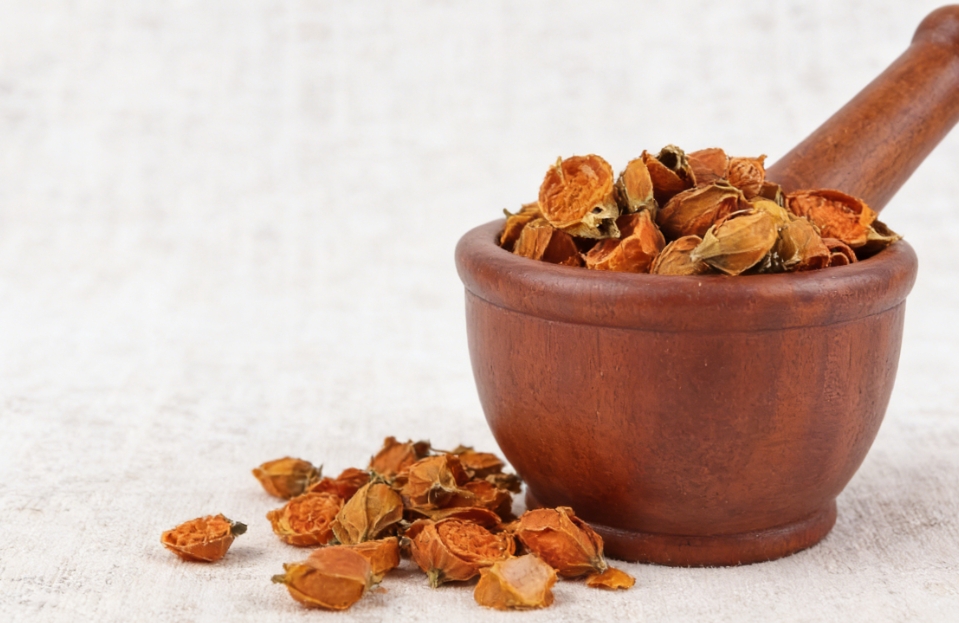
Gardenia flower extract is a natural plant active ingredient extracted from the flowers, fruits, or whole plant of *Gardenia jasminoides* Ellis, a plant belonging to the Rubiaceae family. Gardenia is native to the Yangtze River basin and areas south of it in China and is a traditional and precious medicinal and spice plant with a cultivation history of over 2000 years. Gardenia flower extract is mainly obtained through modern processes such as water extraction, alcohol extraction, or supercritical CO₂ extraction, and is rich in genipin, gardenia yellow pigment, volatile oils, organic acids, and other bioactive substances.
In the plant extract industry, gardenia flower extract usually refers to a concentrated powder or liquid product prepared from gardenia flowers or fruits using scientific extraction processes. It is typically a pale yellow to brownish-yellow powder with the characteristic fragrance of gardenia flowers, is easily soluble in water and ethanol, and is widely used in food, cosmetics, pharmaceuticals, and health products.
What are the core components of gardenia flower extract?
The efficacy of gardenia flower extract primarily stems from the following key components:
1. Iridoid Glycosides
Geniposide: The most abundant active ingredient, possessing hepatoprotective, choleretic, anti-inflammatory, analgesic, and neuroprotective effects.
Genipin: A hydrolysis product of geniposide, a natural cross-linking agent widely used in biomedical materials.
2. Carotenoids
Crocin: A natural water-soluble yellow pigment, an important coloring component in gardenia flower extract, highly safe, and suitable for food coloring.
3. Volatile Oil Components
Containing various terpenoid compounds such as linalool, geraniol, and nerol, giving gardenia flower extract its unique floral fragrance and soothing effects.
4. Organic Acids and Polyphenols
Chronic acid, caffeic acid, and other antioxidants enhance the free radical scavenging ability of gardenia flower extract.
The synergistic effect of these components makes gardenia flower extract a multifunctional natural raw material, demonstrating significant application potential in multiple industrial sectors.
Why do cosmetic formulators favor gardenia extract?
In the cosmetics and personal care industry, gardenia extract is becoming a highly sought-after functional ingredient. Its skincare benefits are mainly reflected in the following aspects:
* Antioxidant and Anti-aging:Gardenia extract is rich in polyphenols and geniposide, which can effectively scavenge DPPH and hydroxyl free radicals, reduce UV-induced oxidative damage, and delay the skin aging process. Studies have shown that gardenia extract inhibits collagenase, helping to maintain skin elasticity and firmness.
*Soothing and Calming Effects: The volatile oil components of gardenia extract have natural aromatherapy effects, relieving skin sensitivity, redness, and irritation. Its anti-inflammatory properties are valuable for sensitive skin care and after-sun repair products.
*Whitening and Brightening Effects: Gardenia yellow pigment is not only a safe natural pigment, but its active ingredients can also inhibit tyrosinase activity, reducing melanin production. Combined with its antioxidant properties, it can achieve a brighter and more even skin tone through multiple pathways.
Moisturizing and Barrier Repair
The polysaccharides in gardenia flower extract can form a protective film on the skin surface, enhance the hydration capacity of the stratum corneum, improve dry skin, and strengthen the skin barrier function.
Based on these effects, gardenia flower extract is widely used in skincare products such as serums, creams, masks, and body lotions, and is particularly suitable for formulations targeting sensitive, aging, and dull skin.
How has gardenia flower extract become a new favorite among natural food additives?
With the rise of the Clean Label trend, gardenia flower extract, with its natural, safe, and multifunctional properties, is increasingly widely used in the food industry:
Natural Colorant
Gardenia yellow pigment is the most commercially valuable food-grade pigment in gardenia flower extract. It has a bright and stable color, good light and heat resistance, and can be used for yellow to orange-yellow coloring in beverages, candies, pastries, dairy products, condiments, and other foods. Compared with synthetic pigments, pigments derived from gardenia flower extract have higher consumer acceptance and safety.
Functional Food Ingredients: Gardenia flower extract possesses health benefits such as liver protection, choleretic effects, uric acid reduction, and sleep improvement, making it suitable for developing functional foods like liver-protecting tablets, uric acid-lowering teas, and calming dietary supplements.
Natural Flavorings: The unique, elegant floral fragrance of gardenia flower extract makes it an important source of high-end food flavorings, used in the flavoring of teas, desserts, and candies to enhance sensory quality and premium pricing.
Preservation and Antioxidant Properties: Studies have shown that gardenia flower extract inhibits various common food bacteria, and its antioxidant activity helps delay oil oxidation, demonstrating potential in the field of natural food preservation.
For food manufacturers, choosing high-quality gardenia flower extract not only meets consumer demand for natural ingredients but also provides differentiated functional selling points for products.
How to Choose a High-Quality Gardenia Flower Extract Supplier?
What Quality Indicators Should Be Considered When Purchasing Gardenia Flower Extract? When procuring gardenia extract, buyers need to evaluate product quality and supplier qualifications from the following dimensions:
1. Component Content and Specifications
Gardenin content (usually detected by HPLC, common specifications 5%-98%)
Gardenia yellow pigment chroma value (a key indicator of color intensity)
Volatile oil content (affects aroma quality)
Clearly labeled extraction ratio (e.g., 10:1, 20:1) or standardized content
2. Testing and Certification
Third-party testing reports (heavy metals, pesticide residues, microorganisms)
ISO, HACCP, GMP, and other quality management system certifications
Organic certification (if applicable)
Food safety related certifications (SC, FDA, HALAL, KOSHER, etc.)
3. Process and Stability
Is the extraction process advanced (low-temperature extraction better preserves heat-sensitive components)?
Product solubility and stability test data
Batch-to-batch quality consistency
4. Application Technical Support
Does the supplier provide formulation application suggestions?
Do they support customized specifications (e.g., for special requirements of cosmetics or food)?
Minimum order quantity (MOQ) and delivery cycle
5. Traceability and Sustainability
Raw Material Origin Traceability (Authentic Medicinal Herb Production Areas Preferred)
Does Planting and Harvesting Comply with Sustainable Principles?
Supply Chain Transparency
Professional gardenia extract suppliers should be able to provide complete Certificates of Analysis (COA), MSDS (Material Safety Data Sheets), and application guidance documents to help buyers ensure that raw material quality meets end-product requirements.
FAQ
Q1: Are gardenia flower extract and gardenia extract the same product?
A: In the industry, they usually refer to the same raw material, but strictly speaking, "gardenia flower extract" emphasizes the flower as the raw material, focusing on aroma and volatile oil components; while "gardenia extract" may include fruit extract, focusing more on geniposide and pigment components. When purchasing, you should confirm the specific raw material part and specifications with the supplier.
Q2: What is the recommended dosage of gardenia flower extract?
A: The dosage varies greatly depending on the application:
Cosmetics: 0.5%-5% (usually 1%-3% in serums)
Food coloring: Adjusted according to the required color value, usually 0.01%-0.1%
Health supplements: Based on geniposide content, the recommended daily intake is 10-50mg. Specific dosage needs to be determined based on the product formula and regulatory requirements.
Q3: Is gardenia flower extract suitable for all skin types?
A: Gardenia flower extract is generally mild, but a very small number of people may be allergic to plant components. It is recommended to perform a patch test before first use. Sensitive skin should choose a low-concentration formula.
Q4: How stable is gardenia flower extract?
A: Geniposide is relatively stable to light and heat, but prolonged exposure to strong light may cause color changes. It is recommended to store in a cool, dry place away from light, in a sealed container. The shelf life of powder products is usually 24 months.
Q5: How to choose between liquid and powder forms of gardenia flower extract?
A: Powder form (spray-dried or vacuum-dried) is easier to transport and store, suitable for most formulations; liquid extracts (such as pastes) retain more volatile components, suitable for products with high fragrance requirements, but attention must be paid to preservation and shelf-life issues.
Q6: Can gardenia extract be used in combination with other plant extracts?
A: Yes, and the synergistic effect is even better. Common combinations include:
Combined with licorice extract: enhances anti-inflammatory and soothing effects
Combined with centella asiatica extract: strengthens repair effects
Combined with vitamin C derivatives: enhances antioxidant and whitening properties
Combined with jujube seed extract: used in the development of sleep aid products
Why choose gardenia extract from Xi'an Sost Biotech Co., Ltd.?
How to find a reliable gardenia extract raw material partner?
Among many gardenia extract suppliers, Xi'an Sost Biotech Co., Ltd. has become a trusted plant extract supplier for global buyers due to its professional technical strength and strict quality control. If you are looking for high-quality gardenia extract raw materials, please contact Xi'an Sost Biotech Co., Ltd.:
Email: info@sostherbusa.com
Our professional team will provide you with detailed product information, sample support, and procurement solutions to assist you in product development and market expansion.
References:
National Pharmacopoeia Commission. Pharmacopoeia of the People's Republic of China (Part I) [M]. Beijing: China Medical Science and Technology Press, 2020.
China Plant Extract Industry Alliance. Quality Standards and Detection Methods for Plant Extracts [S]. 2019.
Kim, S.J., et al. (2020). Anti-inflammatory effects of geniposide in skincare applications. Journal of Cosmetic Dermatology, 19(8), 2045-2052.
Zhang Tiejun, Bai Gang. Research progress on chemical components and pharmacological effects of Gardenia [J]. Chinese Traditional and Herbal Drugs, 2021, 52(3): 892-903.
FDA. GRAS Notice for Gardenia Yellow Pigment [S]. 2018.
European Food Safety Authority (EFSA). Scientific Opinion on the safety of Gardenia extract as a food additive [J]. EFSA Journal, 2019, 17(6): e05712.


Any questions or suggestions?
We are here to help with whatever you need.


Copyright © Sost Corporation Co.,Ltd. All rights reserved.


