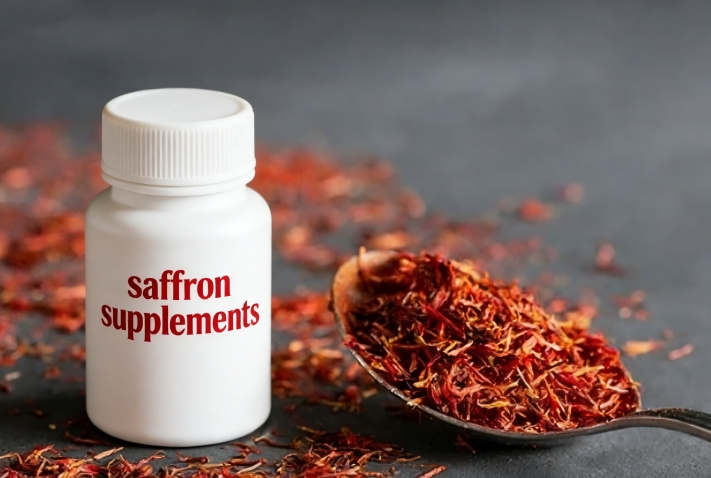
Saffron extract, a natural active ingredient derived from the precious medicinal plant saffron (Crocus sativus L.), is rich in various bioactive substances, such as crocin, safranal, and crocetin, and has a wide range of physiological regulatory and pharmacological effects.
I. Main Components of Saffron Extract
Saffron extract is a concentrated product obtained from the dried stigmas of the saffron plant (Iridaceae family) through solvent extraction and purification processes. Its core active components include:
• Crocin: A water-soluble carotenoid, the main reason for saffron's red color, possessing strong antioxidant capabilities;
• Safranal: A volatile component that gives saffron its unique aroma and has sedative and anti-anxiety effects;
• Crocetin: A fat-soluble component with anti-inflammatory, lipid-lowering, and neuroprotective functions.
II. Saffron Extract Exhibits Significant Antioxidant Effects
Oxidative stress is a major contributing factor to various chronic diseases (such as cardiovascular diseases and neurodegenerative diseases). Crocin and crocin in saffron extract can effectively scavenge free radicals, inhibit lipid peroxidation, and enhance the activity of antioxidant enzymes in the body (such as superoxide dismutase (SOD) and glutathione peroxidase). Studies have shown that the antioxidant capacity of saffron extract is superior to that of vitamin E and vitamin C, and it has significant value in delaying cell aging and preventing chronic diseases.
III. Saffron Extract Has Protective Effects on the Nervous System
Saffron extract can cross the blood-brain barrier and act directly on the central nervous system. Its neuroprotective mechanisms include:
• Inhibition of glutamate excitotoxicity;
• Reduction of β-amyloid protein deposition;
• Regulation of neurotransmitter levels (such as serotonin and dopamine).
Preclinical studies have shown that saffron extract can improve cognitive function and reduce depressive and anxiety-like behaviors in Alzheimer's disease models. Multiple human trials have confirmed that daily intake of 15–30 mg of saffron extract can significantly alleviate symptoms of mild to moderate depression.
IV. Saffron Extract's Benefits for Cardiovascular Health
The benefits of saffron extract for the cardiovascular system are mainly reflected in:
• Lowering serum total cholesterol and low-density lipoprotein (LDL) levels;
• Inhibiting platelet aggregation and preventing thrombosis;
• Improving vascular endothelial function and regulating blood pressure.
A 12-week double-blind controlled trial found that subjects taking saffron extract showed significant improvements in blood lipid levels and a significantly reduced risk of atherosclerosis. The mechanism is related to crocin activating the PPAR-α pathway and regulating lipid metabolism.
V. Potential Applications of Saffron Extract in Skin Care
With its antioxidant, anti-inflammatory, and whitening effects, saffron extract has become an important ingredient in high-end skincare products. Its functions include:
• Inhibiting tyrosinase activity and reducing melanin production;
• Alleviating skin inflammation and photoaging caused by ultraviolet radiation;
• Promoting microcirculation and improving dull skin tone.
In vitro experiments have shown that skincare preparations containing 1% saffron extract can reduce melanin content by approximately 35% with no significant irritation, making them suitable for sensitive skin.
VI. Research Progress on the Antitumor Activity of Saffron Extract
In recent years, the antitumor potential of saffron extract has received widespread attention. Studies have shown that crocin can inhibit the proliferation of various tumor cells, such as breast cancer, lung cancer, and colon cancer cells, through mechanisms such as inducing cell cycle arrest, promoting cancer cell apoptosis, and inhibiting angiogenesis. Although currently still in the laboratory and animal research stage, its application as an adjunct anticancer ingredient has broad prospects.
VII. Safety and Usage Recommendations
Saffron extract is generally safe at the recommended dosage (no more than 1.5 grams of dried flowers or equivalent extract per day). However, high doses may cause uterine contractions, and pregnant women should use it with caution. In addition, a very small number of people may experience allergic reactions. It is recommended to choose standardized extract products to ensure stable levels of active ingredients.
VIII. Partnering with SOST Biotech for High-Quality Saffron Extract Raw Materials
As a leading manufacturer in the field of natural active ingredients, SOST Biotech focuses on the research and production of high-purity, high-stability saffron extract. The company utilizes cGMP-standard production lines combined with high-performance liquid chromatography (HPLC) quality control technology to ensure that the crocin content in each batch of products is ≥10%, and provides complete technical support and customized solutions. Whether for functional food, pharmaceutical, or cosmetic development, partnering with SOST Biotech will provide you with a stable, compliant, and efficient supply of saffron extract raw materials.
Contact email:info@sostherbusa.com
Conclusion: Saffron extract, as a multi-functional natural active ingredient, shows broad application prospects in anti-oxidation, neuroprotection, cardiovascular health, skin care, and potential anti-tumor effects. With in-depth scientific research and improved production processes, its value in the health industry will be further realized. Choosing a reliable partner is key to ensuring product quality and market competitiveness.
References:
1.Hosseinzadeh, H., & Younesi, H. M. (2002). Antinociceptive and anti-inflammatory effects of Crocus sativus L. stigma and petal extracts in mice. *Journal of Ethnopharmacology*, 79(3), 377–383.
2.Akhondzadeh, S., et al. (2005). Crocus sativus L. (petal) in the treatment of mild to moderate depression: a double-blind, randomized and placebo-controlled trial. *Phytomedicine*, 12(7), 485–489.
3.Koulivand, P. H., et al. (2013). Saffron (Crocus sativus) and neurological disorders: a review. *Neurological Sciences*, 34(6), 801–809.
4.Abdullaev, N. I., & Espinosa-Aguirre, J. J. (2004). Biomedical properties of saffron and its potential use in cancer therapy and chemoprevention trials. *Cancer Detection and Prevention*, 28(6), 406–413.
5.Poma, A., et al. (2012). Anti-inflammatory properties of saffron and its potential use in the treatment of inflammatory diseases. *Natural Product Research*, 26(1), 1–7.


Any questions or suggestions?
We are here to help with whatever you need.


Copyright © Sost Corporation Co.,Ltd. All rights reserved.


