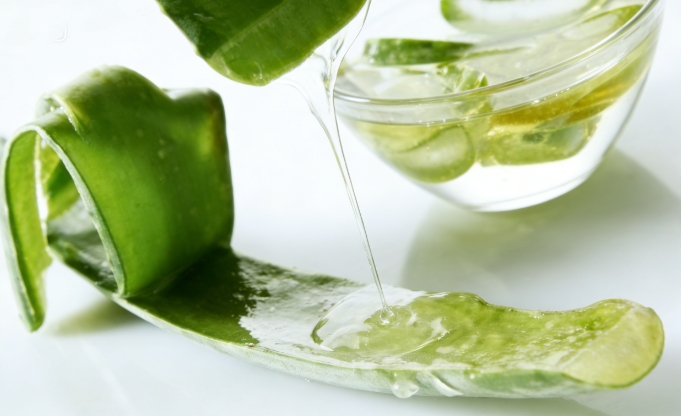
Aloe vera gel is an important raw material in the cosmetics, health products, and food industries. Its extraction process directly determines the efficacy and market value of the final product. For B2B buyers, a thorough understanding of aloe vera gel extraction technology not only helps in assessing raw material quality but is also key to establishing a stable supply chain.
What are the traditional extraction methods for aloe vera gel powder?
The extraction processes for aloe vera gel powder are mainly divided into two categories: physical methods and chemical methods. Traditional physical extraction methods are centered on "peeling and extracting the gel." This involves manually or mechanically peeling the outer skin of aloe vera leaves, collecting the transparent gel from the pulp, and then washing, crushing, filtering, concentrating, and spray-drying to produce aloe vera gel powder. This method can retain the most active ingredients such as aloe polysaccharides and amino acids, but it is less efficient and more expensive.
Chemical solvent extraction methods use organic solvents such as ethanol and acetone to extract the effective components from aloe vera. Although the extraction rate is high, there may be a risk of solvent residue, posing a challenge to the safety of the final product. Currently, mainstream suppliers of food-grade and cosmetic-grade aloe vera powder have gradually phased out high-residue processes and shifted to safer supercritical CO₂ extraction technology to ensure that their aloe vera powder meets international quality standards.
How to determine if an aloe vera powder extraction process is advanced?
Assessing the advancement of an aloe vera powder extraction process requires attention to three core indicators: active ingredient retention rate, microbial control level, and heavy metal removal capability. High-quality aloe vera powder should have an aloe polysaccharide content of no less than 200 mg/g, which requires the extraction temperature to be controlled below 60℃ to avoid degradation of heat-sensitive components.
The combination of modern low-temperature vacuum concentration technology and freeze-drying has become standard in the production of high-end aloe vera powder. Aloe vera powder produced by this process is white in color, has good water solubility, and the content of aloin (a laxative component) is controllable, making it suitable for oral beauty products with extremely high safety requirements. B2B buyers should focus on whether the supplier is equipped with HPLC (High-Performance Liquid Chromatography) testing equipment during factory inspections to ensure the component stability of each batch of aloe vera powder.
Is Decolorization and Deodorization Technology Important in Aloe Vera Powder Extraction?
For cosmetic and food applications, the decolorization and deodorization process for aloe vera powder is crucial. Natural aloe vera gel contains anthraquinone compounds, which not only cause a bitter odor but may also trigger skin allergies. Advanced activated carbon adsorption combined with membrane filtration technology can remove impurities while preserving the active structure of aloe polysaccharides.
Some high-end aloe vera powders also employ enzymatic hydrolysis, using specific enzymes to break down protein fragments that cause odor, resulting in a final product with better palatability and compatibility. B2B buyers should request sensory testing reports from suppliers for aloe vera powder, including key parameters such as color (whiteness value), odor rating (1-5 scale), and clarity after dissolution. These details directly impact the consumer experience of the final product.
How Does the Concentration and Drying Process of Aloe Vera Powder Affect Quality?
From liquid gel to solid aloe vera powder, concentration and drying are decisive steps. Traditional hot air drying is low-cost, but high temperatures can cause the aloe polysaccharide molecular chains to break down, significantly reducing biological activity. Currently, industry-leading low-temperature spray drying and vacuum freeze-drying technologies can complete dehydration within a temperature range of -40℃ to 50℃, allowing aloe vera powder to almost fully recover its original gel state after rehydration.
Of particular note is that freeze-dried aloe vera powder has a more porous structure and dissolves more than 30% faster than spray-dried products. This is especially important for beverage and facial mask formulations requiring rapid dispersion. Furthermore, instantaneous sterilization technology during the drying process (such as UHT ultra-high temperature instantaneous sterilization combined with aseptic packaging) can control the microbial indicators of aloe vera powder below 10 CFU/g, meeting the stringent standards for export to high-end markets such as the EU and the US.
How to Ensure Process Stability for Small-Batch Customized Aloe Vera Powder?
For B2B customers requiring customized aloe vera powder (such as specific polysaccharide content, particle size distribution, or compounding needs), the supplier's pilot-scale capability becomes crucial. Mature aloe vera powder manufacturers should possess seamless scale-up capabilities from laboratory trials (1-5 kg) to industrial-scale production (tonnage-level), ensuring that process parameters remain stable even after large-scale production.
This requires suppliers to have standardized extraction procedures (SOPs) and a comprehensive quality control system, including traceability of the aloe vera variety (Aloe barbadensis, Aloe vera var. sinensis, etc.), control over harvesting time (leaves with a growth period of 3 years or more have higher polysaccharide content), and GMP certification for the production environment. B2B buyers should prioritize aloe vera powder suppliers who can provide a complete set of Certificates of Analysis (COA), MSDS, and stability test data to reduce procurement risks.
Choosing a professional aloe vera powder supplier
In the procurement of aloe vera powder raw materials, the supplier's technical strength and quality control capabilities directly determine the competitiveness of the end product. Xi'an Sost Biotech Co., Ltd., a professional manufacturer in the field of plant extracts, has been deeply involved in the supply of raw materials such as aloe vera gel powder for many years and possesses the following core advantages:
* Advanced Extraction Technology: Utilizing dual production lines for low-temperature concentration and spray drying/freeze-drying, we can customize aloe vera gel powder with concentration ratios ranging from 200:1 to 100:1 according to customer needs.
* Strict Quality Control: Equipped with HPLC, UV, and other testing equipment, each batch of aloe vera gel powder is tested for aloe polysaccharides, aloin, microorganisms, and heavy metals, and third-party testing reports are available.
* International Certification System: Certified by ISO, HACCP, etc., our products are exported to markets in Europe, America, and Southeast Asia, and we support direct shipping from our overseas warehouses in the United States.
* Flexible Customization Services: We support full-process technical support from raw materials to formulations, meeting the application needs of multiple fields such as cosmetics, health products, and food.
Contact Information:
Email: ericyang@xasost.com
We welcome B2B customers to inquire about aloe vera gel powder specifications, sample requests, and customized production solutions. Sost Biotech will provide you with high-quality raw material guarantees and professional technical support.
References
[1] Wang Jianhua et al. Research progress on extraction process and bioactivity of aloe polysaccharides[J]. Food Industry Technology, 2022.
[2] International Aloe Science Council. Aloe Vera Processing and Quality Standards[R]. 2023.
[3] National Pharmacopoeia Commission. Pharmacopoeia of the People's Republic of China (Part I)[M]. Beijing: China Medical Science and Technology Press, 2020.


Any questions or suggestions?
We are here to help with whatever you need.


Copyright © Sost Corporation Co.,Ltd. All rights reserved.


