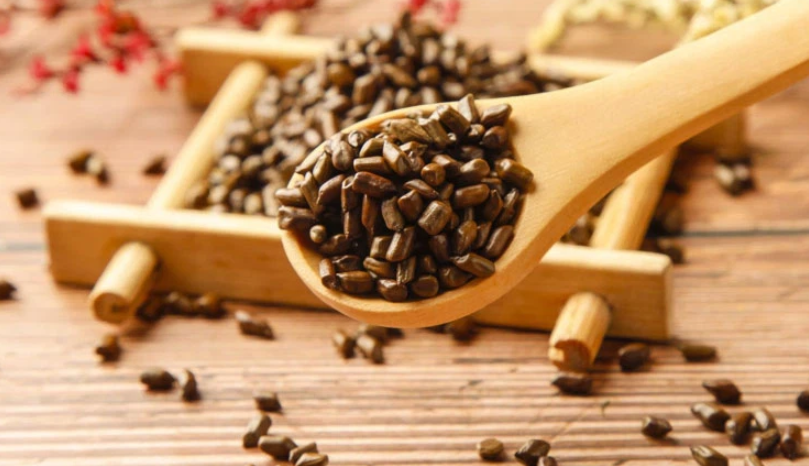
What are the core components of Cassia seed extract?
Cassia seed extract is not a single substance, but a complex system composed of multiple active ingredients.
Anthraquinone compounds: The "cleaners" of intestinal health. This is the most well-known and extensively studied class of compounds in Cassia seeds. It includes emodin, chrysophanol, and rhein. These components give Cassia seeds their significant laxative effect, stimulating intestinal peristalsis and softening stool, making them a natural remedy for common constipation problems in modern people. These components are also the main source of its antibacterial and anti-inflammatory effects.
Naphthopyrone compounds: The "guardians" of vision. This class of compounds, such as cassiaside and obtusifolin, is the material basis for the "eye-brightening" effect of Cassia seeds. They have antioxidant properties, helping to protect the retina and reduce damage to eye cells from free radicals. They have a positive effect on relieving eye fatigue and dryness caused by prolonged use of electronic screens.
Polysaccharides: The "regulators" of the immune system. Plant polysaccharides have received much attention in recent years, and the polysaccharides in Cassia seeds are no exception. They have various potential biological activities, including immune regulation, blood sugar lowering, and anti-tumor effects, providing possibilities for the application of Cassia seeds in a wider range of fields.
Other nutritional components: In addition, Cassia seeds are rich in amino acids, vitamins, and trace elements. These "supporting actors" work synergistically with the "main characters" mentioned above to constitute the powerful comprehensive effects of Cassia seed extract.
What are the positive effects and side effects of Cassia seeds?
Having understood its "core," let's delve deeper into what Cassia seed extract can bring us in practical applications. Its positive effects are multifaceted, but as responsible science communicators, we must also acknowledge its potential side effects.
Positive effects of Cassia seed extract:
Clearing liver heat and improving vision, relieving eye fatigue: In the digital age, blue light radiation from electronic screens and prolonged screen time are common problems. Cassia seed extract can help clear liver heat, improving eye redness, swelling, pain, photophobia, and tearing caused by excessive liver heat, as well as blurred vision and dry eyes caused by prolonged screen use. It is not only a good eye care remedy for middle-aged and elderly people but is also gradually becoming an eye care essential for young people who spend a lot of time on their phones. Moisturizes the intestines and improves bowel health: For constipation caused by irregular diet and lack of exercise, Cassia obtusifolia seed extract is a gentle and effective solution. It increases intestinal motility, promotes waste elimination, and helps the body "travel light."
Assists in lowering lipids and blood pressure, protecting cardiovascular health: Studies show that Cassia obtusifolia seed extract can help lower serum cholesterol and triglyceride levels, inhibit the formation of atherosclerotic plaques, and also has a certain blood pressure-lowering effect. This is of great significance in preventing and assisting in the treatment of modern "diseases of affluence" such as hypertension and hyperlipidemia.
Protects the liver and combats chemical damage: It can lower triglyceride levels in the liver, inhibit fat deposition in the liver, and has a certain protective effect against liver damage caused by alcohol and other substances.
Potential Side Effects of Cassia Obtusifolia Seed Extract
Gastrointestinal irritation: Due to its rich content of anthraquinone laxative components, excessive consumption may cause discomfort such as nausea, diarrhea, and bloating. Those with weak spleen and stomach should be especially careful.
Risk of hypotension: Its blood pressure-lowering effect is beneficial for hypertensive patients, but for people with normal or low blood pressure, it may cause dizziness and other discomforts.
Reproductive system effects: Long-term, high-dose use, especially for women, may lead to stagnation of qi and blood due to its cold nature, causing menstrual disorders and other problems. Pregnant women and women planning to conceive should avoid using it.
Potential carcinogenic risk: Long-term, high-dose intake of anthraquinone compounds may increase the risk of intestinal lesions. Therefore, it is crucial to follow the recommended dosage and avoid long-term continuous use.
Cassia Obtusifolia Seed Extract for Skin?
You may never have thought that the Cassia obtusifolia tea you drink to clear heat and reduce inflammation could also become a "new favorite" in the skincare industry. In the International Nomenclature of Cosmetic Ingredients (INCI), it is called "Cassia Obtusifolia Seed Extract," and it is increasingly appearing in the ingredient lists of various skincare products.
Cassia obtusifolia seed extract for skin
Powerful antioxidant capacity: One of the main culprits of skin aging is oxidative stress. Cassia seed extract is rich in polysaccharides and flavonoids, which are excellent antioxidants that effectively scavenge free radicals in the skin, slow down the aging process of cells, and help maintain skin elasticity and radiance.
Soothing and Calming, Anti-inflammatory: For sensitive skin or skin troubled by acne, redness, etc., the anti-inflammatory and antibacterial properties of cassia seed extract can play an important role. It helps soothe irritated skin, reduce redness and inflammatory reactions, and restore the skin to a calm and healthy state.
Whitening and Brightening Skin Tone: Some studies have shown that cassia seed extract may interfere with melanin production by inhibiting tyrosinase activity, thus achieving a certain whitening and spot-reducing effect. At the same time, its effect of promoting microcirculation also helps improve dull skin tone, making the skin look more translucent and radiant.
Purchasing Suggestions and Partner Recommendations
If you are an R&D or purchasing professional in the food, health product, or cosmetics industry and are looking for high-quality cassia seed extract raw materials, choosing a reliable supplier is crucial. In Xi'an, the "capital of plant extracts," many excellent biotechnology companies are located here, possessing mature extraction processes, strict quality control systems, and strong R&D capabilities.
When choosing a supplier, it is recommended that you focus on the following aspects:
1. Qualifications and Certifications: Check whether the company has relevant certifications such as ISO, HALAL, KOSHER, and whether it has passed the necessary compliance reviews.
2. Technology and Production Capacity: Understand their extraction process (such as whether they use water extraction to ensure safety), testing capabilities, and ability to provide stable supply.
3. Product Specifications: Confirm whether they can provide specifications that meet your needs, such as different extraction ratios (5:1, 10:1), fineness, and active ingredient content.
4. Customized Services: A good partner can not only provide standard products but also provide customized solutions based on your formula requirements.
Among the many extract companies in Xi'an, Xi'an Sost Biotech is a partner worth considering. Located in the Xi'an High-tech Industrial Development Zone, the company is a technology-based enterprise focusing on the research and development and sales of biochemical products. Its business scope covers traditional Chinese medicine planting, food sales, and biochemical technology research and development, providing B2B customers with a diversified range of choices from raw materials to finished products. If you would like to learn more about their cassia seed extract or other plant extract products, please feel in touch with them using the following contact information:
Contact Person: Eric Yang
Email: ericyang@xasost.com


Any questions or suggestions?
We are here to help with whatever you need.


Copyright © Sost Corporation Co.,Ltd. All rights reserved.


