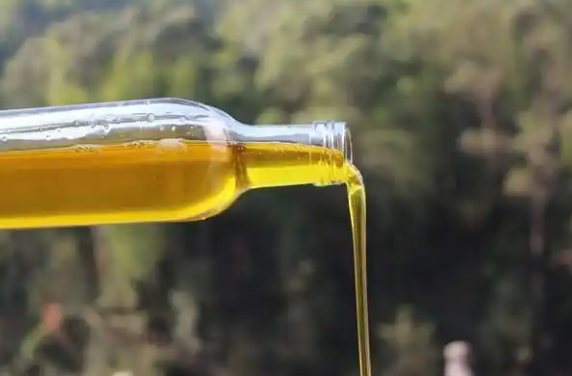
When people think of stroke, their first reaction is often "sudden onset," but in reality, 80% of strokes are preventable – it's not about waiting until blood vessels are blocked and then performing emergency treatment, but rather about maintaining vascular health on a daily basis. And when it comes to daily vascular maintenance, a "dual-action ingredient" found in Acer truncatum is attracting attention from the fields of nutrition and neurology – Acer truncatum seed oil, which precisely targets the "core targets" of stroke prevention. In this article, I will explain the "underlying logic," "specific effects," and "correct way to consume" Acer truncatum seed oil for stroke prevention, helping you transform "stroke prevention" from a "vague concept" into a "practical daily routine."
To understand why Acer truncatum seed oil can prevent stroke, we must first clarify the "core logic" of stroke – stroke is never a "sudden event," but rather a "burst of damage accumulated over time."
Strokes are divided into ischemic (blood vessels blocked, accounting for 80%) and hemorrhagic (blood vessels ruptured, accounting for 20%), but the root cause is two problems: vascular endothelial damage and fragile nerve cells. For example, long-term high blood pressure acts like a "small hammer," slowly wearing away the blood vessel walls (vascular endothelial damage), making it easier for cholesterol plaques to attach, ultimately blocking the blood vessels; and if the myelin sheath of nerve cells (like the "insulating layer" of nerves) is damaged, even if the blood vessels are clear, nerve signals cannot be transmitted. Many people only focus on "clearing blood vessels" (lowering blood lipids), but ignore "repairing nerves" (protecting the myelin sheath), which is why some people still have strokes even after taking lipid-lowering drugs.
The key to preventing stroke is actually "addressing both blood vessels and nerves simultaneously" – both repairing damaged blood vessels and protecting fragile nerves. The unique aspect of Acer truncatum seed oil is precisely its ability to "solve both problems simultaneously": using unsaturated fatty acids to repair vascular endothelium and using nervonic acid to strengthen the nerve myelin sheath, perfectly hitting the core of stroke prevention.
Acer truncatum seed oil prevents stroke precisely because of the "precise action" of its two core components –
Nervonic acid is an ω-9 type monounsaturated fatty acid, and also a "building material" for the myelin sheath of brain nerves (myelin sheath accounts for 70% of the weight of nerve fibers). When blood vessels are blocked, brain tissue suffers from ischemia and hypoxia, and nerve cells begin to die due to "energy deficiency"—and nervonic acid can do two things: firstly, daily supplementation can thicken the myelin sheath, making nerve cells more "resilient" (for example, nervonic acid can promptly repair myelin sheath damage caused by long-term lack of sleep and high stress); secondly, even if mild nerve damage has already occurred (such as numbness in hands and feet, and memory loss), it can promote myelin regeneration, allowing nerve signals to "run" again.
More importantly, the human body cannot synthesize nervonic acid on its own and can only obtain it from external sources—and maple seed oil is currently the "plant source with the highest nervonic acid content" (up to 5%-7%), which is safer than shark oil (without the risk of heavy metal contamination). For example, a study published in the *Chinese Journal of Gerontology* showed that 100 elderly people at high risk of stroke (hypertension + hyperlipidemia) supplemented with 2ml of maple seed oil daily (6% nervonic acid content), and after 6 months, their nerve conduction velocity increased by 21%, and the incidence of numbness in hands and feet decreased from 45% to 12%—this is the "nerve-protecting" effect of nervonic acid.
In addition to nervonic acid, the unsaturated fatty acids, which account for more than 90% of maple seed oil, are "natural protectors" of blood vessels: oleic acid (monounsaturated fatty acid) accounts for 50%, which can lower bad cholesterol (LDL)—bad cholesterol is the "raw material" for plaque, and oleic acid can "transport" it to the liver for metabolism, reducing the chance of plaque attaching to the blood vessel wall; linoleic acid (polyunsaturated fatty acid) accounts for 30%, which can repair the vascular endothelium—when the vascular endothelium is damaged, it will act like "hooks" that catch platelets and cholesterol, and linoleic acid can promote endothelial cell regeneration, smoothing the "hooks" and returning the blood vessel wall to a "smooth state".
A study by China Agricultural University also verified this: daily supplementation with 1ml of maple seed oil resulted in a 18% reduction in total serum cholesterol and a 23% reduction in low-density lipoprotein in subjects after 3 months—these improvements directly correspond to a "reduced risk of ischemic stroke". However, for the benefits of Acer truncatum seed oil to be realized, it's crucial to consume it correctly.
Many people believe that "the more you consume, the better the effect," but Acer truncatum seed oil is a high-fat food (99.9g of fat per 100g), and excessive consumption will increase the burden on the digestive system. According to the "Dietary Reference Intakes for Chinese Residents," 1-2ml per day (about 1-2 ordinary tablespoons) is just right for adults – it meets the needs for nervonic acid and unsaturated fatty acids without causing fat accumulation. For example, 1ml of Acer truncatum seed oil contains about 50-70mg of nervonic acid, which just reaches the "effective dose" in clinical studies (50mg of nervonic acid per day can have a preventive effect).
The delicate nature of Acer truncatum seed oil lies in its sensitivity to heat. Both nervonic acid and unsaturated fatty acids are "heat-sensitive components," and they will be destroyed at temperatures above 120°C. Therefore, the correct way to consume it is to take it orally directly (1-2ml on an empty stomach in the morning or before bed at night), or mix it with food at room temperature (such as 1ml of oil mixed with 100g of yogurt or salad). It should absolutely not be used for stir-frying or frying eggs – for example, frying eggs with it will raise the oil temperature to above 180°C, destroying more than 80% of the nervonic acid, rendering it ineffective.
Not everyone needs to supplement with Acer truncatum seed oil. It is more effective for those at high risk of stroke: for example, people with a family history of stroke (genetics can increase the fragility of blood vessels and nerves), people with "three highs" (high blood pressure, high blood lipids, and diabetes continuously damage vascular endothelium and nerves), people who stay up late and are under high stress (staying up late increases cortisol levels and damages blood vessels, and high stress damages nerve myelin sheaths), and patients with post-stroke sequelae (such as hemiplegia and aphasia, as nervonic acid can accelerate nerve repair). However, it is not recommended for pregnant women, breastfeeding women, people allergic to Acer truncatum, and children under 14 years old (whose daily diet can meet their needs). However, to truly benefit from Acer truncatum seed oil, you need to avoid three common misconceptions:
Many people fall into the trap of believing "the more expensive, the better" when buying Acer truncatum seed oil. In reality, the key is the nervonic acid content – according to national standards (GB/T 22464-2008), the nervonic acid content of Acer truncatum seed oil must be ≥5%. For example, in a 100ml bottle of oil, a 5% nervonic acid content means 5g, and a 7% content means 7g. When buying, check the test report; it's not about the price, but the higher the nervonic acid content, the more worthwhile the purchase.
Some people ask, "Can I stop taking blood pressure medication after consuming Acer truncatum seed oil?" The answer is absolutely not. It's a "nutritional supplement," and its role is to "enhance the effectiveness of medication"—for example, blood pressure medication lowers blood pressure but doesn't repair vascular endothelium; Acer truncatum seed oil can repair vascular endothelium, making the blood pressure medication more effective.
The effects of Acer truncatum seed oil are not "instantaneous"—the repair of blood vessels and nerves is a "slow process." Nervonic acid needs 3 months to accumulate to an "effective concentration," and unsaturated fatty acids need 2-3 months to improve blood lipids. For example, a study in the *Journal of Neuroscience* showed that continuous supplementation with nervonic acid for 6 months increased cerebral blood flow by 23% and reduced neuronal apoptosis by 41% in the elderly. Therefore, you need to persist for at least 3 months to see results, and preventing stroke requires "long-term consumption" (e.g., 6-8 months per year).
In fact, preventing stroke is never about "doing big things," but about "consistently doing small things"—such as reducing salt and sugar intake daily, exercising three times a week, and adding 1-2ml of Acer truncatum seed oil daily. These "everyday small things" combined are the "strongest shield" against stroke.
Contact Us:ericyang@xasost.com


Any questions or suggestions?
We are here to help with whatever you need.


Copyright © Sost Corporation Co.,Ltd. All rights reserved.


