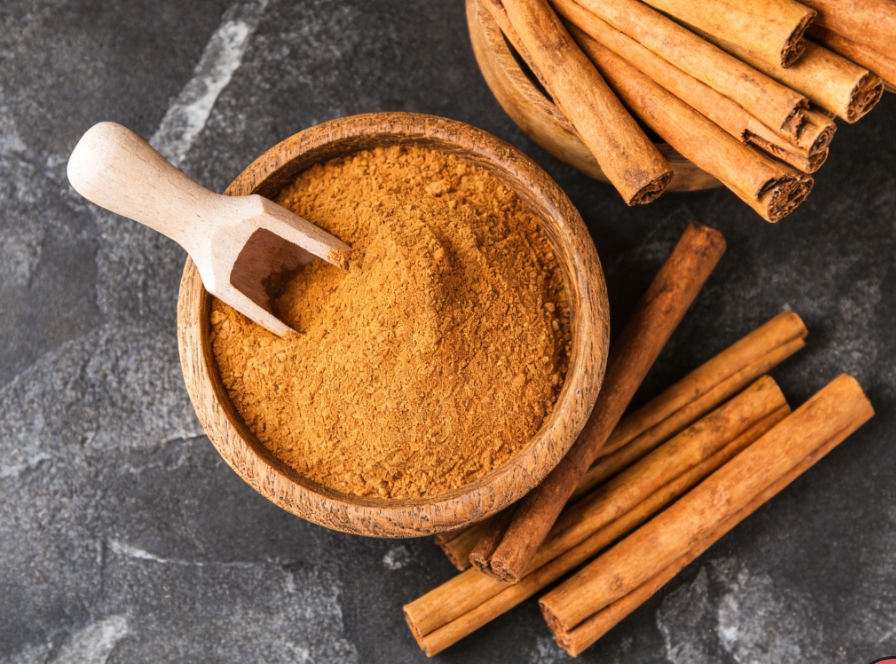
Cinnamon, an ancient spice and medicinal plant, is widely favored in the food, health supplement, and cosmetics industries due to its rich active ingredients (such as cinnamaldehyde and polyphenolic compounds). This article will answer common questions about cinnamon extract production from multiple perspectives, helping you master the core technical points.
What are the main methods for producing cinnamon extract?
The preparation of cinnamon extract mainly falls into three categories: solvent extraction, steam distillation, and supercritical CO₂ extraction.
Solvent extraction is the most common industrial method, usually using ethanol, methanol, or water as the solvent. The process includes: grinding dried cinnamon bark into a coarse powder (40-60 mesh), adding a 50%-70% ethanol solution at a ratio of 1:10-1:20 (material to solvent ratio), refluxing and extracting at 50-70°C for 2-3 hours, filtering, and then concentrating and drying to obtain an extract or powder. This method has a high yield and effectively extracts lipid-soluble components such as cinnamaldehyde.
Steam distillation is mainly used to extract cinnamon essential oil. The cinnamon raw material is placed in a distillation flask, and steam is introduced to distill the volatile components with the steam. After condensation in a condenser, the essential oil is separated. This method produces high-purity cinnamon oil with a strong aroma, but it cannot extract water-soluble polyphenolic substances.
Supercritical CO₂ extraction, as an emerging technology, uses supercritical carbon dioxide as the extraction medium to extract active ingredients under low temperature and high pressure conditions. This method has no solvent residue and can preserve active ingredients to the greatest extent, but the equipment investment cost is higher.
What are the differences in efficacy between water extraction and ethanol extraction methods?
Different extraction methods directly determine the active ingredient profile and efficacy focus of the final product.
Water extraction (decoction) has the advantage of extracting water-soluble active substances in cinnamon, such as polysaccharides and proanthocyanidins. These components have significant effects on lowering blood sugar and improving insulin resistance. Research has found that water-extracted cinnamon polyphenols show outstanding antioxidant properties and are suitable for developing functional hypoglycemic products. However, water extracts usually contain more impurities and have a relatively shorter shelf life.
Ethanol extraction, on the other hand, is effective in extracting cinnamaldehyde, the main source of cinnamon's characteristic aroma, which also possesses strong antibacterial and anti-inflammatory activity. Ethanol extracts can contain 10%-30% cinnamaldehyde and are widely used in food preservation and respiratory health products. High-concentration ethanol (70%-95%) extracts more lipid-soluble components, making it suitable for health supplement formulations such as softgels.
In short: water extracts are more suitable for blood sugar management products, while alcohol extracts are more suitable for antibacterial, anti-inflammatory, and flavoring applications.
What are the essential differences between homemade and industrially produced cinnamon extracts?
Many enthusiasts attempt to make cinnamon extracts at home, but there are significant differences compared to industrial products.
Homemade methods typically use a simple maceration method: cinnamon sticks are crushed and soaked in vodka or white spirits (40%-60% alcohol), sealed and stored away from light for 2-4 weeks, with regular shaking to accelerate dissolution. This method is simple in terms of equipment, but it suffers from low extraction efficiency (only 30%-40% of effective components are obtained), unstable component concentration, and a high risk of microbial contamination. Homemade extracts are suitable for cooking and flavoring, but not recommended for health purposes.
Industrial production, however, strictly controls every step: raw materials undergo pesticide residue and heavy metal testing; countercurrent continuous extraction equipment is used to improve efficiency; impurities are removed through membrane filtration and chromatography purification; and finally, standardized extracts are produced through spray drying or vacuum concentration (usually labeled with cinnamaldehyde content ≥10% or polyphenols ≥30%). Industrial products have advantages such as good batch stability, clearly quantified active ingredients, and traceable quality.
How to judge the quality of cinnamon extract?
Assessing the quality of cinnamon extract requires evaluation from three dimensions: sensory indicators, physicochemical indicators, and safety indicators.
Sensory-wise, high-quality alcohol extracts are reddish-brown to brownish powder with a strong cinnamon aroma and no moldy or off-odors; water extracts are lighter in color, ranging from light yellow to yellowish-brown. If the product is black or has a pungent chemical smell, it may indicate excessive oxidation or excessive solvent residue. In terms of physicochemical indicators, attention should be paid to cinnamaldehyde content and polyphenol content. High-quality extracts typically have a cinnamaldehyde content of ≥10% and total polyphenols ≥30% (measured by UV method). HPLC (High-Performance Liquid Chromatography) testing can confirm the purity and authenticity of the ingredients, preventing adulteration.
Safety indicators cannot be ignored. Legitimate products should provide third-party testing reports to ensure lead ≤2mg/kg, arsenic ≤1mg/kg, aflatoxin B1 ≤5μg/kg, and pesticide residues comply with international standards (such as USP, EP, or the Chinese Pharmacopoeia).
Does the origin of cinnamon raw materials affect the extraction effect?
Cinnamon is mainly divided into two categories: Chinese cinnamon (Cinnamomum cassia) and Ceylon cinnamon (Cinnamomum verum, true cinnamon).
Chinese cinnamon (mainly produced in Guangxi, Guangdong, and Yunnan) has thick bark and high oil content (8%-12%), with cinnamaldehyde content usually as high as 70%-85%. It has high extraction efficiency and relatively low cost, making it the mainstream raw material for health products and seasonings. Its extract has strong antibacterial activity, but it has a higher coumarin content (about 0.9%), so long-term large-scale consumption requires attention to safety.
Ceylon cinnamon (mainly produced in Sri Lanka) has thin, light brown bark and lower cinnamaldehyde content (about 60%-70%), but extremely low coumarin content (<0.04%), making it more suitable for long-term health use. Its flavor is delicate and sweet, and it is often used in high-end food and cosmetics.
Therefore, when choosing extraction raw materials, it is necessary to consider the positioning of the final product: choose Chinese cinnamon for cost-effectiveness and strong antibacterial effects; choose Ceylon cinnamon for safety and high-end quality.
Looking for a reliable supplier of cinnamon extract raw materials?
If you are looking for high-purity, standardized cinnamon extract raw materials for dietary supplements, functional foods, or cosmetics production, we recommend contacting Xi'an Sost Biotech Co., Ltd., a professional plant extract manufacturer. As a high-tech enterprise specializing in the research, development, and production of plant extracts, Xi'an Sost provides various specifications of cinnamon extract (cinnamaldehyde 10%-30%, cinnamon polyphenols 10%-30%, proanthocyanidins, etc.), supporting customized formulations and OEM/ODM services. We possess a complete quality certification system (ISO, HACCP, HALAL, etc.), ensuring a stable supply of raw materials and superior quality.
Contact Information:
Email: ericyang@xasost.com
By collaborating with professional suppliers, you can obtain comprehensive technical support throughout the entire chain, from raw material traceability and production processes to quality testing, ensuring your products stand out in the highly competitive market.
References:
Chinese Pharmacopoeia 2020 Edition, Part I
Shan et al. (2007). "Cinnamaldehyde and cinnamaldehyde-containing microparticles: Food applications and health benefits." Trends in Food Science & Technology.
Gruenwald et al. (2010). "Cinnamon and health: A review of the evidence." Critical Reviews in Food Science and Nutrition.
National Food Safety Standard GB/T National Food Safety Standard Cinnamon Extract.


Any questions or suggestions?
We are here to help with whatever you need.


Copyright © Sost Corporation Co.,Ltd. All rights reserved.


